

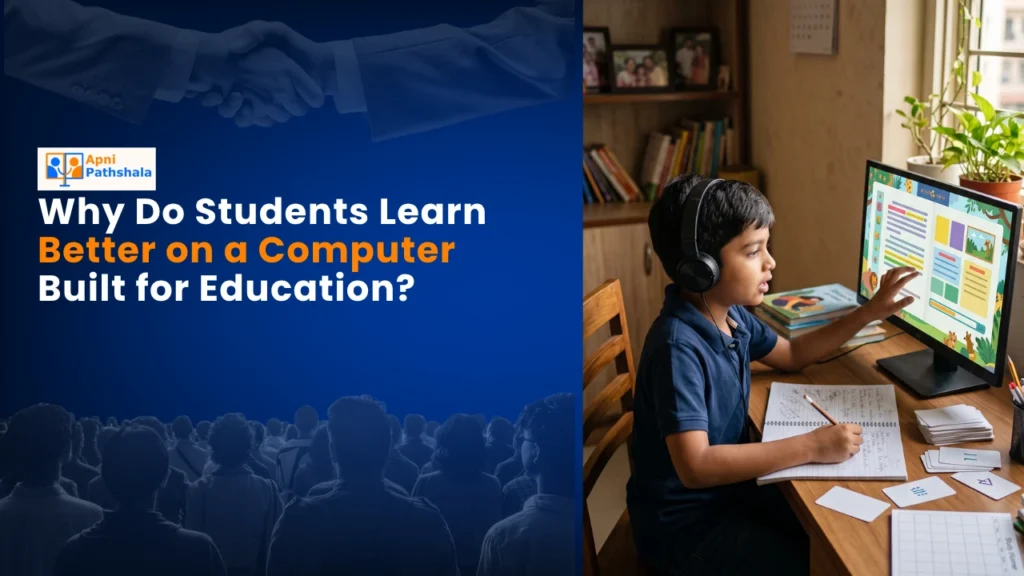
Students learn better on a computer built for education because it is set up for focus: learning software is ready, distractions like games and social media are kept out, and parents can see progress. That makes self-learning easier to sustain, so children study regularly, revisit hard topics and work at their own pace.
Apna PC is designed for this purpose, for Indian students aged 6–16, at Rs. 30,000.
What makes self-learning effective for students?
Self-learning works because the child controls the pace. Instead of waiting for the next classroom lesson, children can explore topics, revisit difficult concepts and build real understanding.
A computer built for education removes the barriers that make self-study hard. It comes with educational software, safe browsing controls and tools that keep attention on learning. If you are new to this, read what parents should know about self-learning first.
How is an education computer different from a regular computer?
A regular computer is built for general use, while an education computer is set up only for learning. General-use machines are full of games, social media and other distractions.
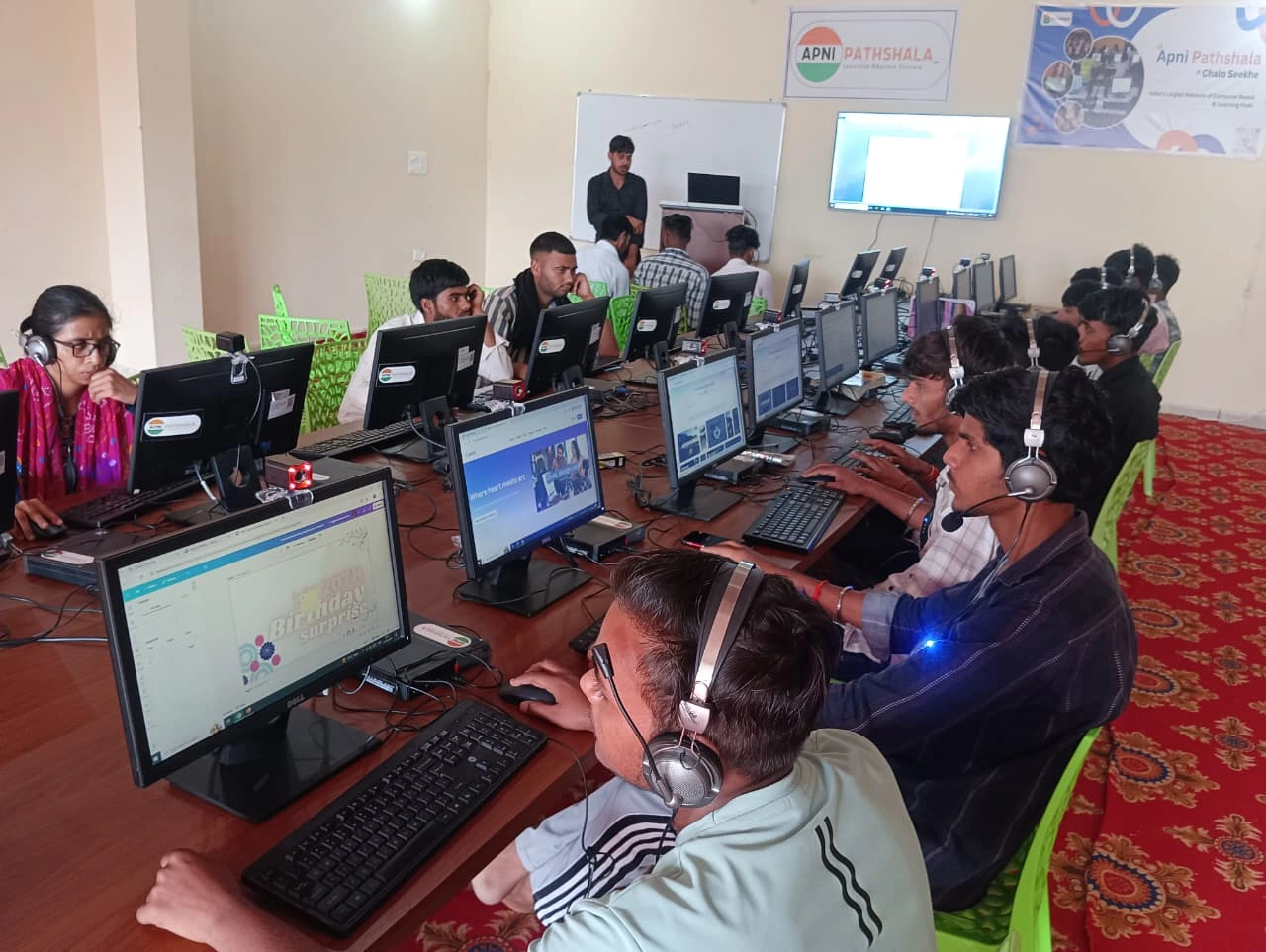
Apna PC includes offline educational content, interactive lessons and age-appropriate resources, so your child can learn even without internet. The interface is simple enough for a 6-year-old but capable enough for a 16-year-old preparing for board exams.
A dedicated device also makes self-learning a habit. Students are more likely to study regularly, finish homework on their own and explore beyond the textbook.
How does self-learning build confidence and independence?
Children who learn on their own terms make mistakes, correct them and move on without fear of judgment. That builds confidence and the independence needed for long-term success.
Digital study also teaches time management and responsibility. Your child learns to organise a study schedule, track progress and celebrate small wins. Apna PC includes parental controls, so you can see which subjects your child studies and for how long without hovering.
Which features on Apna PC support self-learning?
The main features help a child organise, practise and track their own progress:
- Note-taking, subject-wise file folders and study schedules
- Smooth performance with several educational apps open
- Enough processing power for video lessons, interactive simulations and coding practice
- A keyboard and screen comfortable for long study sessions
- Progress tracking that shows which topics your child has mastered and where they need help
You can read more on how Apna PC tracks a child’s learning progress.
Does self-learning at home replace school?
No, it complements classroom teaching. What students practise on a learning computer reinforces what they learn in school, and the reverse is true too.
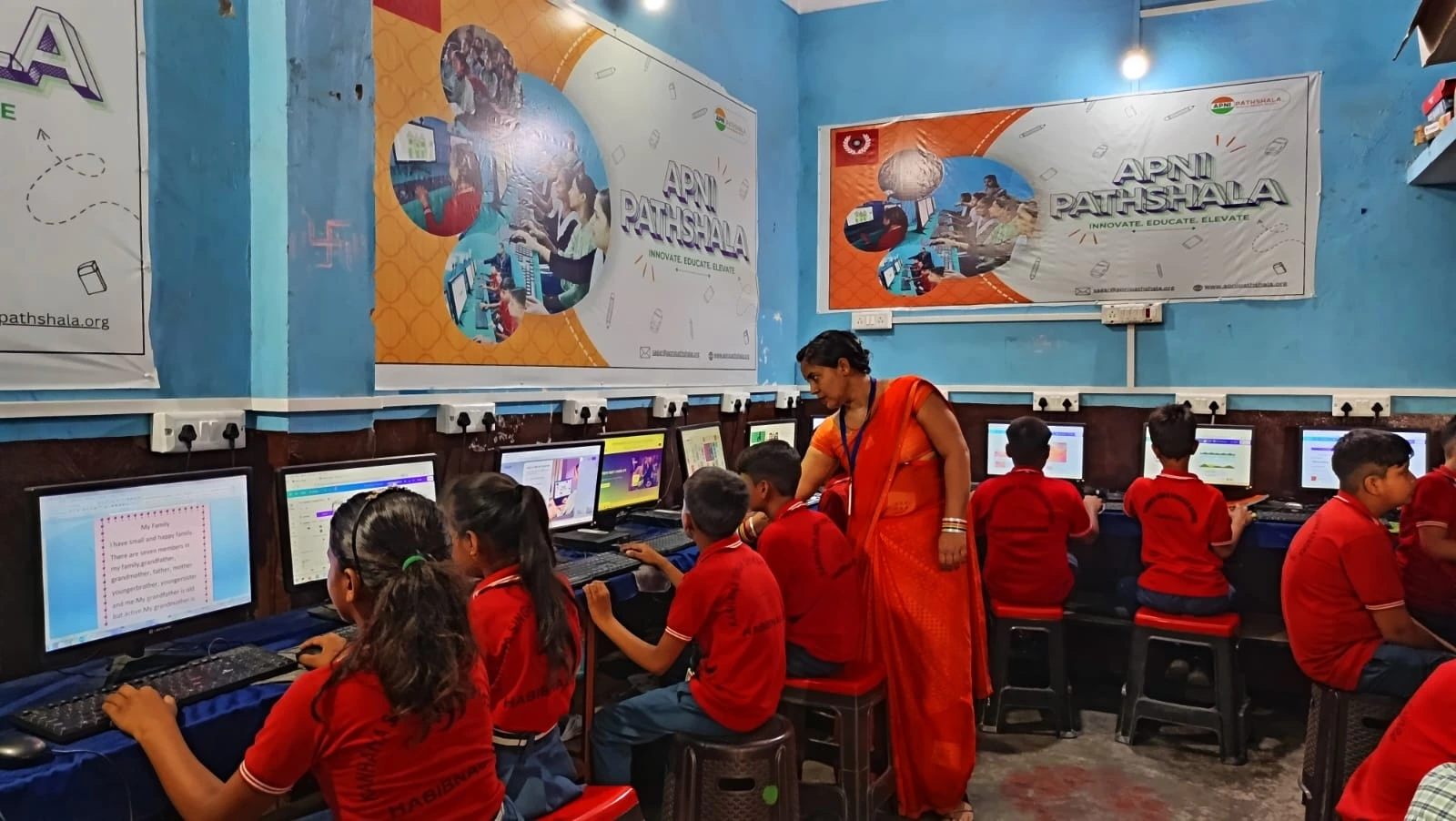
Teachers see the value as well. Our article on Apna PC for teachers in the classroom shows how educators use these devices to support lessons. The Digital India initiative aims to bring technology to every student, yet many families still lack affordable computers, and at Rs.30,000 Apna PC helps close that gap.
Why does affordability matter for families?
Learning technology should not drain your savings. Apna PC costs Rs.30,000 (shipping and GST excluded), which makes digital education realistic for middle-class Indian families.
Expensive laptops and tablets often charge for brand names and features that add nothing to study. Whether your child attends a government or private school, a computer for education helps level the playing field.
How can parents get started with self-learning at home?
Start small and stay involved. Identify the subjects your child finds hardest, then use the computer for extra resources, video lessons and practice problems.
- Set small goals, such as one extra chapter a week or maths practice for 20 minutes daily.
- Check progress reports regularly.
- Celebrate improvements, however small.
- Ask your child what they learned today.
As confidence grows, children take more responsibility, ask better questions and explore further. For more on this stage, see signs your child is ready to study independently.
Frequently Asked Questions
Can a young child really study on their own?
Yes, with simple tasks and some early guidance. The interface is designed to be easy for a 6-year-old, so younger children can start with short lessons and games-free practice. Parents can stay close at first, then step back as the child gets comfortable working alone.
Does my child need internet for self-learning on Apna PC?
Not always. Apna PC includes offline educational content and interactive lessons, so learning can continue when the connection is weak. Internet helps with video lessons and extra research, but a lot of daily practice can happen without it, which suits families with limited connectivity.
How do I know self-learning is actually working?
Look at the progress reports and talk to your child. Signs include finishing homework with less help, revisiting hard topics on their own and being able to explain what they learned. Regular, short check-ins tell you more than long inspections once in a while.
Visit apnapc.com to learn how Apna PC can support your child’s self-learning: affordable, capable and built for Indian students.