

In today’s fast-changing world, learning is no longer limited to classrooms, textbooks, or exams. Children now have access to information, tools, and experiences that allow them to learn independently at their own pace and in their own style.
This approach is called self-learning, and when guided correctly, it can transform how children grow academically and emotionally.
But before parents jump in, it’s important to understand what self-learning really means, how it works, and how to start it the right way.
What Is Self-Learning for Kids?
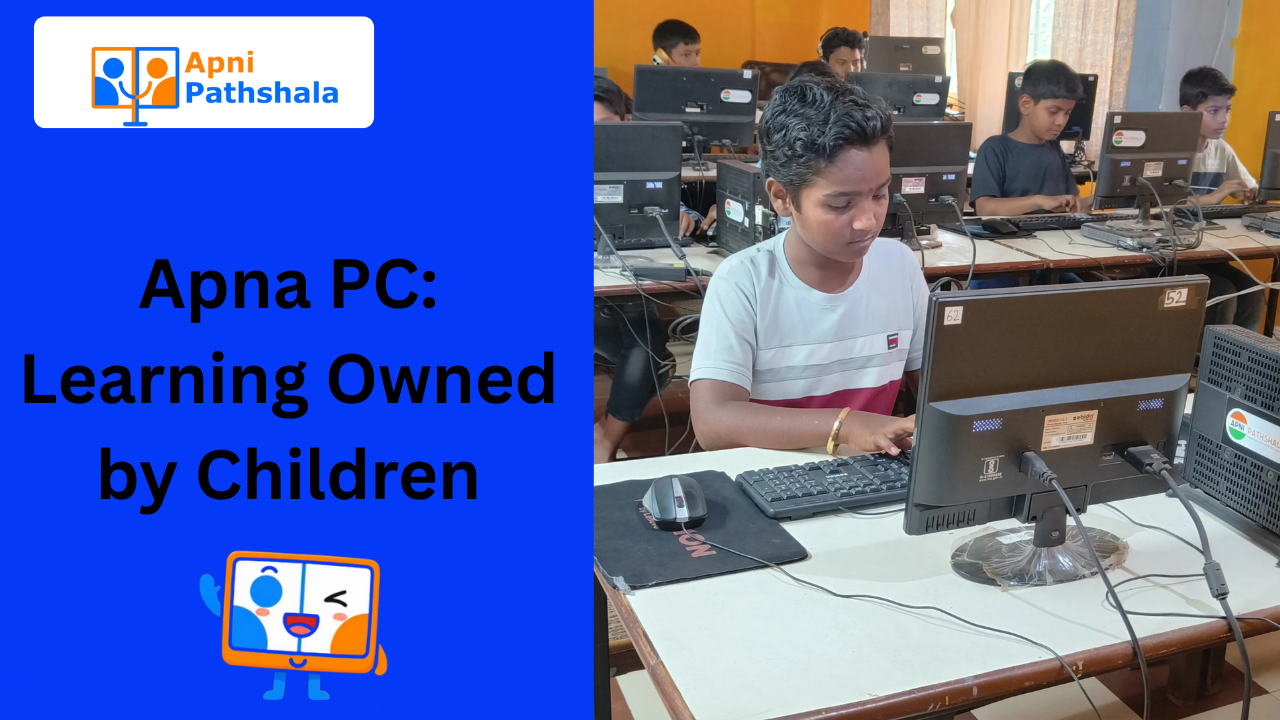
Self-learning is a process where children take an active role in their own education. Instead of being told what to memorise, they explore topics, ask questions, experiment, and discover answers themselves.
This does not mean leaving children alone without support.
It means shifting the parent’s role from instructor to guide.
Self-learning can include:
-
- Reading books by choice
-
- Watching educational videos
-
- Solving real-life problems
-
- Learning through play, projects, and curiosity
Why Self-Learning Is Important Today
Traditional education often focuses on marks, exams, and memorisation. But the future demands skills like thinking, adapting, and problem-solving.
Self-learning helps children:
-
- Build confidence in their abilities
-
- Develop critical thinking
-
- Learn how to learn, not just what to learn
-
- Become more curious and motivated
-
- Prepare for a world where knowledge keeps changing
Children who learn independently are more likely to become lifelong learners, not just exam scorers.
The Role of Parents in Self-Learning
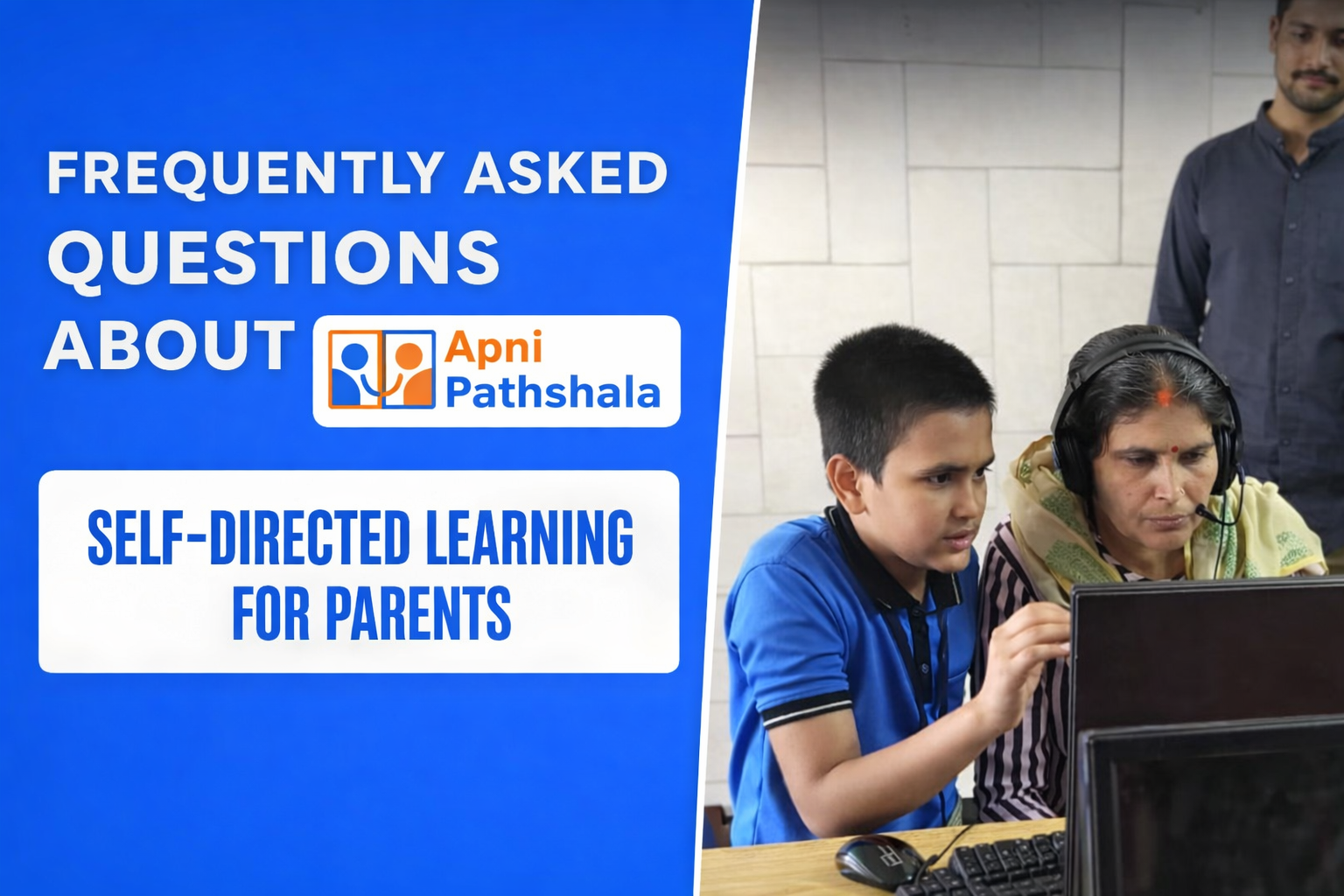
One common mistake parents make is assuming self-learning means no involvement. In reality, parents play a very important role.
As a parent, your job is to:
-
- Create a safe and encouraging environment
-
- Provide the right resources
-
- Ask questions instead of giving answers
-
- Allow mistakes and learning from them
-
- Celebrate effort, not just results
Your support builds the foundation on which self-learning grows.
Things Parents Should Know Before Starting
1. Every Child Learns Differently
Some children love reading, others prefer videos or hands-on activities. Self-learning works best when it respects a child’s natural learning style.
2. Discipline Takes Time
At first, children may struggle with focus. This is normal. Self-learning is a skill, and skills develop gradually.
3. Screen Time Must Be Balanced
Digital tools are useful, but self-learning is not only about screens. Mix technology with books, outdoor activities, experiments, and conversations.
4. Marks May Not Improve Immediately
Self-learning focuses on understanding, not quick results. Improvements in marks often come later, but learning becomes deeper and more meaningful.
How to Start Self-Learning at Home
Here’s a simple step-by-step approach:
Start with Curiosity
Ask your child:
-
- “What do you want to learn today?”
-
- “Why do you like this topic?”
Let curiosity lead the way.
Set Small Goals
Instead of long study hours, set short and clear goals like:
-
- Reading one chapter
-
- Watching one educational video
-
- Building or drawing something
Provide Resources, Not Pressure
Books, puzzles, documentaries, learning apps offer options and let your child choose.
Encourage Questions
When your child asks something, resist the urge to answer immediately. Ask back:
-
- “What do you think?”
-
- “How can we find out?”
Reflect Together
At the end of the day, talk about:
-
- What they learned
-
- What they enjoyed
-
- What was difficult
This reflection strengthens understanding.
Benefits You’ll Notice Over Time
With consistent self-learning, parents often see:
-
- More confidence and independence
-
- Better problem-solving skills
-
- Less fear of failure
-
- Stronger interest in learning
-
- Improved communication and creativity
These qualities matter far beyond school.
Final Thoughts
Self-learning is not a shortcut it’s a long-term investment in your child’s future. It teaches children to trust their abilities, explore the world with curiosity, and grow without fear of failure.
As a parent, you don’t need to have all the answers.
You just need to walk beside your child, encouraging them to discover their own.
Start today with one small step.
Ask your child what they are curious about and explore it together. When children learn how to learn, they gain confidence, independence, and a future that goes far beyond marks and exams.