


Imagine a Class 8 student in Nashik who consistently scores well in examinations. His parents are happy with his academic performance. However, when asked to create a presentation, organise digital documents, or research a topic independently, he struggles.
His report card reflects academic achievement, but it does not reveal whether he is prepared for practical challenges beyond the classroom.
For many Indian parents, buying a student PC begins with the expectation of better marks. While academic performance is important, a computer should also help children develop practical abilities, discover their interests, and become independent learners.
Why Academic Marks Are Only One Part of Student Learning
Examinations measure how well students understand and remember specific subjects. However, they cannot always measure creativity, communication, problem-solving, or independent thinking.
A child may understand mathematical formulas but struggle to apply them in everyday situations. Similarly, a student may score well in English but lack confidence when preparing a presentation.
India’s National Education Policy 2020 emphasises holistic development, practical learning, critical thinking, and essential twenty-first-century competencies.
A computer can help connect classroom knowledge with practical experiences, making student learning more meaningful.
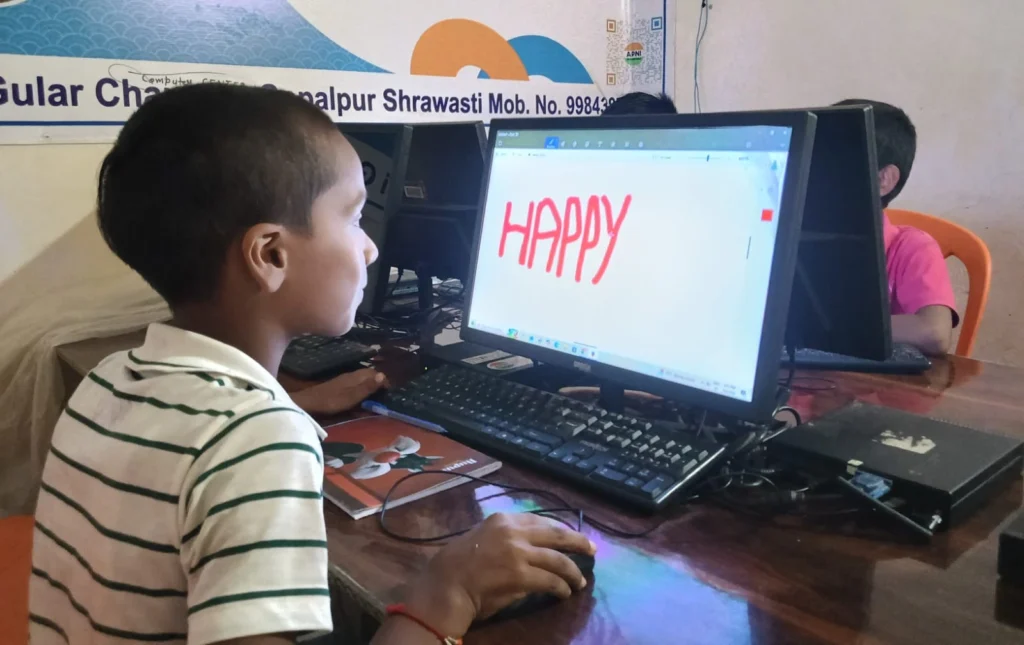
How a Student PC Encourages Skill Building Beyond Textbooks
A dedicated computer gives children opportunities to practise skills that traditional classroom activities may not fully cover.
| Learning Activity | Skills Developed |
|---|---|
| Creating presentations | Communication and creativity |
| Working with spreadsheets | Logical thinking and data management |
| Learning basic coding | Problem-solving and computational thinking |
| Designing digital posters | Visual communication |
| Researching educational topics | Independent thinking |
| Managing digital documents | Organisation and responsibility |
Regular practice helps students become comfortable with technology while developing abilities that remain useful throughout higher education and professional life.
Parents can explore how students can learn practical skills through one computer to understand the broader possibilities of computer-based education.
Why Digital Skills Matter Beyond School Examinations
Technology is becoming an important part of education, employment, communication, and everyday activities. Students who develop digital confidence early can become better prepared to navigate these environments.
According to UNICEF’s competencies and skills development initiative, modern education should incorporate digital competencies, critical thinking, computational thinking, and collaboration.
Essential digital skills for students include:
- Finding and evaluating reliable information online.
- Creating documents, presentations, and spreadsheets.
- Understanding online safety and responsible technology use.
- Using educational applications independently.
- Exploring coding and creative digital tools.
These abilities help students become active users of technology rather than passive consumers of digital content.
A Student PC Helps Children Discover Their Interests
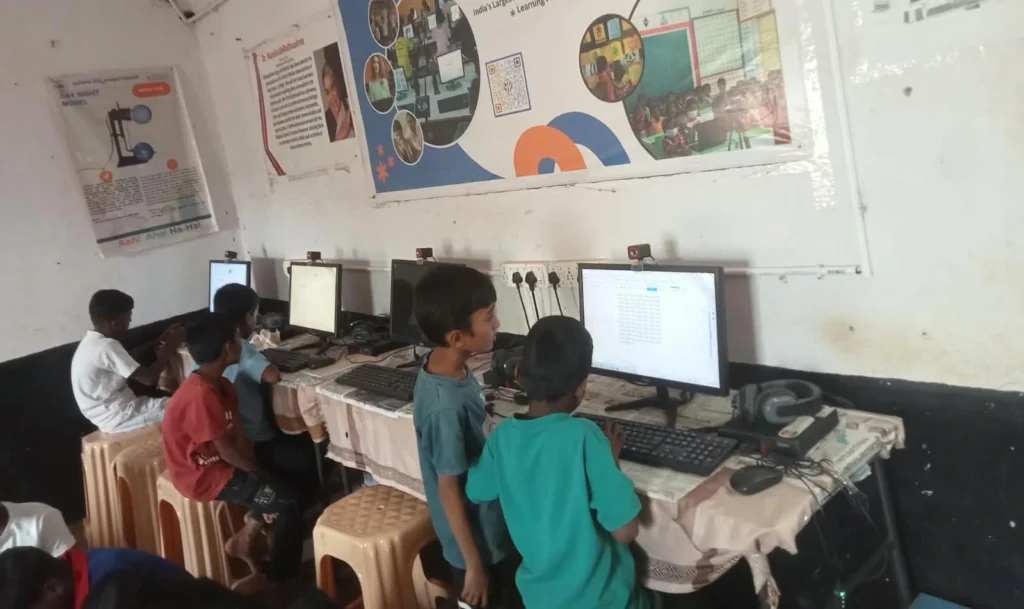
Not every child has the same academic strengths or career interests. Some enjoy mathematics, while others are interested in design, writing, science, or programming.
Access to a computer allows students to explore these interests without depending entirely on school assignments.
A child interested in art can experiment with digital design. Another student who enjoys mathematics can explore interactive simulations or basic programming.
These experiences make skill building a natural part of everyday learning and help children identify interests that examination results alone may not reveal.
Building Independent Learning Habits at Home
One of the most valuable outcomes of computer-based education is the ability to learn independently.
Instead of immediately asking parents or teachers for answers, students can use appropriate educational resources to understand concepts, practise exercises, and investigate questions.
However, simply providing a computer is not enough. Parents should encourage purposeful activities, balanced screen time, and consistent learning routines.
A structured digital environment with learning-ready software for students can support focused exploration while reducing unnecessary distractions.
Over time, these habits can help children become more confident and responsible learners.
How Apna PC Supports Learning Beyond Marks
Apna PC is designed around the educational needs of students, with an emphasis on focused learning and meaningful computer usage.
Rather than treating computers only as homework devices, parents can encourage children to use them for academic revision, creative projects, practical activities, and digital exploration.
The objective is not to increase screen time but to improve the quality of time students spend using technology.
With appropriate guidance, a dedicated computer can become a foundation for continuous learning and long-term personal development.
Conclusion
Marks are important, but they represent only one aspect of a child’s educational journey.
The right student PC should support academic performance while encouraging curiosity, creativity, practical skills, and independent learning.
When parents invest in a computer that supports overall development, they are helping their children prepare not only for their next examination but also for life beyond school.
Frequently Asked Questions (FAQs)
1. Can a student PC help children develop skills beyond academics?
Yes. Students can practise coding, digital design, research, communication, and problem-solving through structured computer-based activities.
2. Why are digital skills important for students?
Digital skills help students use technology confidently, complete practical tasks, access educational resources, and prepare for future opportunities.
3. Can a computer improve independent student learning?
Yes. Appropriate educational resources allow students to explore concepts, practise independently, and develop stronger learning habits.
4. What should parents look for in a student PC?
Parents should consider reliable performance, educational software, ease of use, affordability, and a focused learning environment.