

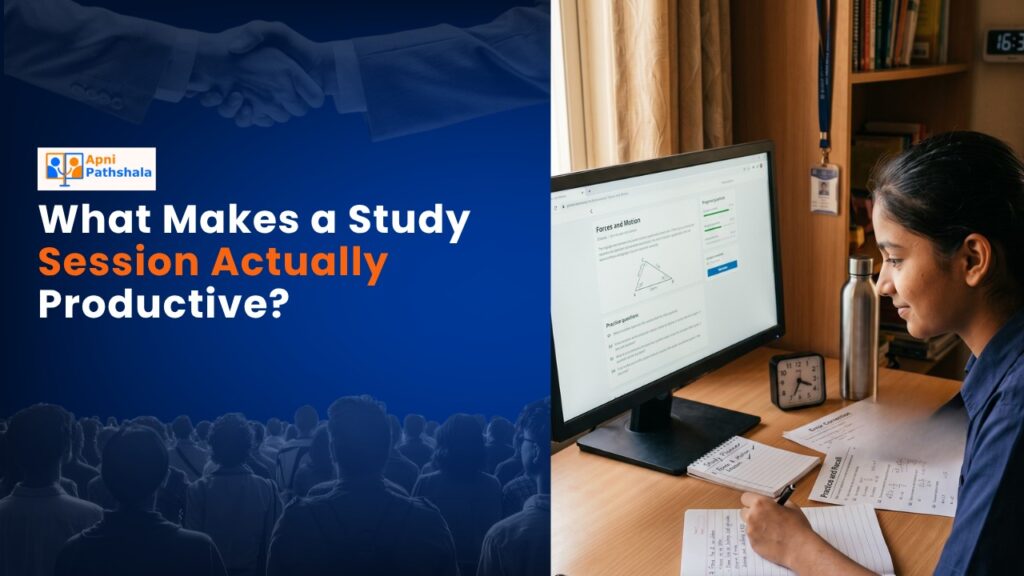
A study session is productive when your child starts with a clear goal, works in a distraction-free space, learns actively instead of rereading, studies in focused blocks with real breaks, and checks at the end what they learned. Time spent at the desk matters far less than how that time is structured.
For example, a student may “study” for three hours while flipping between phone, textbook and notebook, staring at one page for fifteen minutes. Hours like that produce very little learning.
Why isn’t studying the same as learning?
Many students confuse being busy with being productive. A child can sit with a book for four hours and learn almost nothing, or focus for 45 minutes and understand deeply.
Rote memorisation without understanding is common, and it fails when exams test application and critical thinking. The Education in India overview gives useful background on how our school system works. A productive session balances memorising with real understanding, and needs a clear plan, a quiet space and the right tools.
What are the five elements of a productive study session?
A productive session combines goals, focus, active learning, breaks and review.
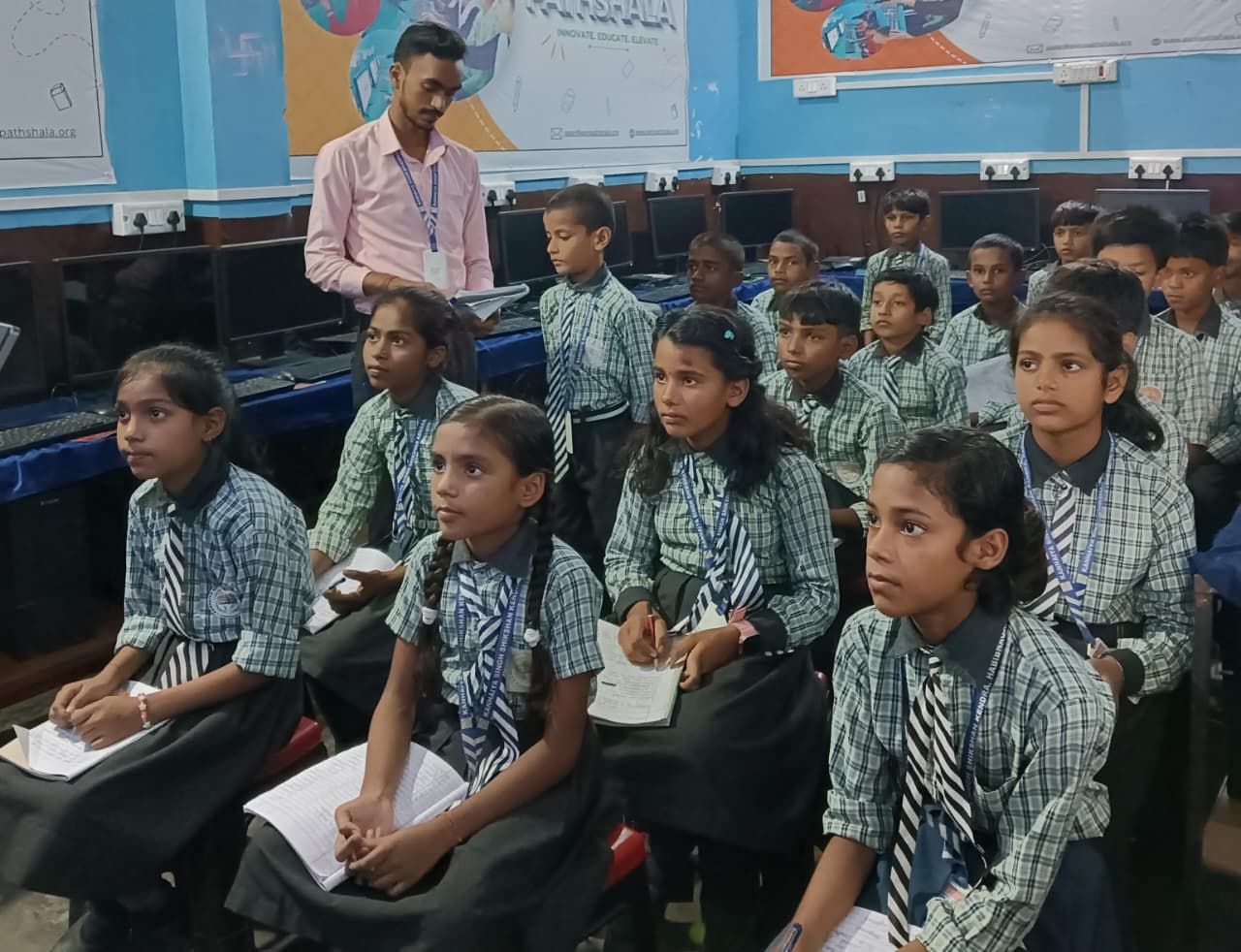
- Clear goals: before opening a book, decide what to learn in the next 45 minutes, which chapter or concept, and write it down.
- A distraction-free space: no phone, no YouTube, no sibling noise. A corner with a small desk is enough, and a consistent spot helps the brain settle into focus.
- Active learning: reading a chapter three times does not help much. Take notes in your own words, ask yourself questions and explain concepts aloud. See our guide on memory retention techniques.
- Time blocks with real breaks: study for 45 minutes, then take a 10-minute break away from the phone. Walk, drink water, stretch. Learn why study breaks for better focus help.
- Progress tracking: at the end, note what was learned and what is still unclear, so patterns show up over time.
How should students manage study time?
Use short focused blocks and plan the week ahead. Nobody stays focused through eight hours in a row, so use the 45-10 method: 45 minutes of focused study, then a 10-minute break.
Plan the week on Sunday. Give harder subjects and topics more time, rather than only what is due first, to avoid last-minute panic. Study the hardest subjects when energy is highest, often morning or early afternoon, and keep easier review for the evening. Our guide to time management with a computer has more ideas.
Which tools make a study session more productive?
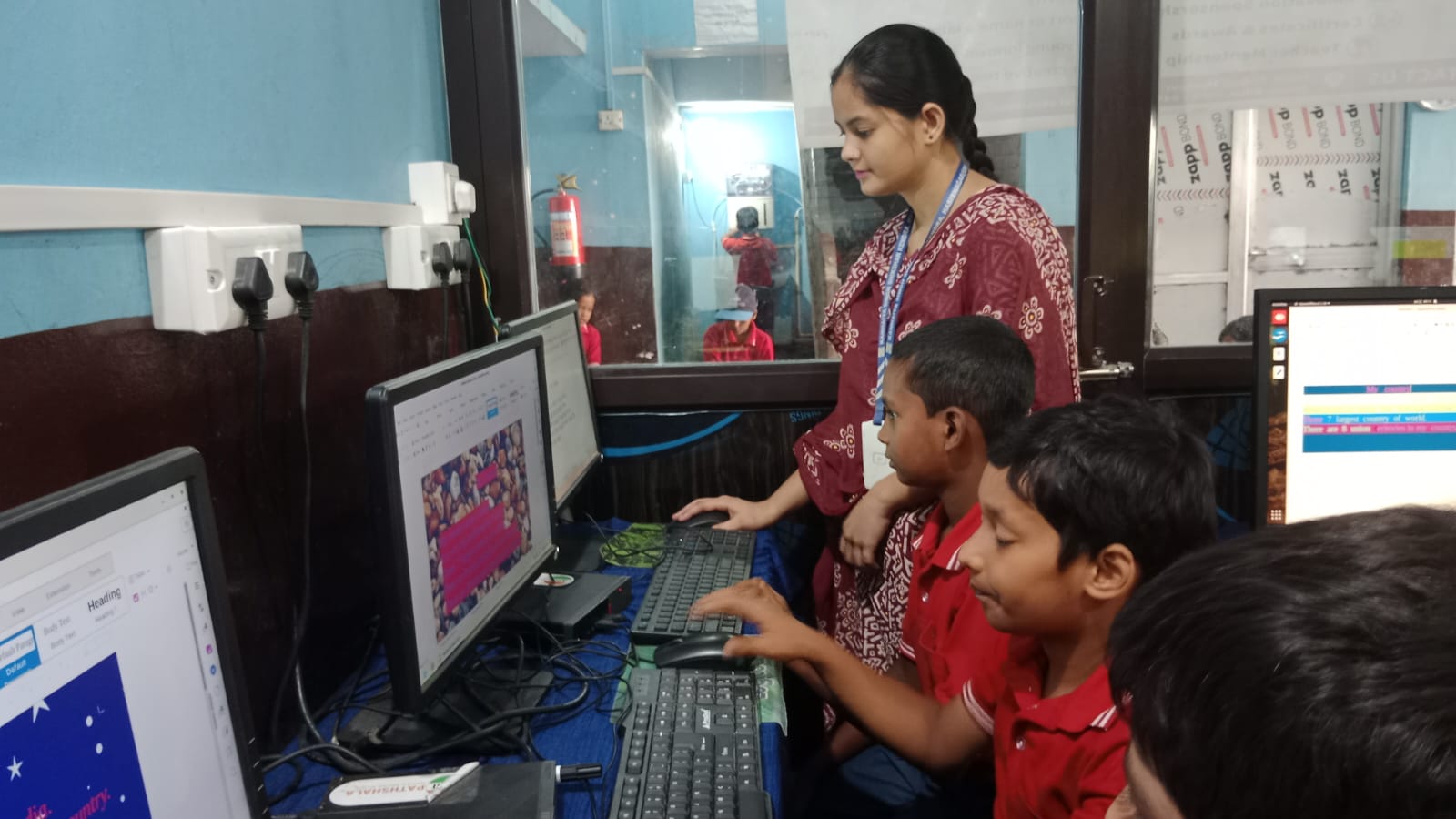
A reliable computer and a quiet desk make a real difference. Your child needs to use online resources, create presentations, practise coding and complete assignments.
Apna PC is built for students in India, costs Rs.30,000 and comes pre-loaded with what your child needs. It runs Zorin OS, a smooth operating system, with LibreOffice for documents and spreadsheets and Scratch for coding and logical thinking.
The 8GB RAM and 128GB SSD let your child switch between applications without lag, so no time is lost waiting for programs to load. Apni Prerna helps parents follow study progress gently, without being intrusive.
What does a child gain from productive study habits?
Your child learns discipline and the ability to focus, not just subject content. They learn that quality beats quantity.
Deep focus is rare and valuable in college, work and life. The Indian Ministry of Education emphasises student-centred learning and self-regulation, and a productive study session is exactly that: a child taking control of their own learning.
Where should you start this week?
Start with one change this week. It might be removing the phone from the desk, trying the 45-10 method or setting a clear goal before each session.
One small change builds momentum; add another next week. Over a month, you will often see more confidence and less frustration, not only better marks.
Frequently Asked Questions
How long should a study session be?
A good starting point is the 45-10 method: 45 minutes of focused study followed by a 10-minute break. Younger children may need shorter blocks at first. What matters most is focus within the block, so judge the session by what was learned, not by how many hours passed.
Is rereading the textbook a good way to study?
Not on its own. Rereading feels familiar but builds little understanding. Active methods work better: summarise in your own words, ask yourself questions, solve problems and explain the topic aloud. These show quickly what your child knows and what still needs work.
How can I help without hovering over my child?
Help set up the space and the plan, then step back. Agree the goal for each session, keep the phone out of the room and ask at the end what they learned. A study computer with progress tracking lets you follow along without sitting beside them.
A productive study session needs intention, structure and the right environment. Visit Apna PC to learn more.