


Study Breaks: Ravi’s Study Crisis, A Common Story in Indian Homes
Ravi sits at his desk in their Pune apartment, books spread across the surface. His mother, Priya, watches from the doorway as he reads the same math problem for the third time, his eyes glazed over. She decides he needs a long break; maybe two hours playing cricket outside will refresh him. When he returns, sweaty and tired, he sits down for another three hours of studying. By evening, Ravi is frustrated, his concentration shot, and Priya is worried he won’t pass his exams. The problem? She didn’t understand how breaks affect focus.
This is the moment many parents in tier 2 and tier 3 Indian cities face. You want your child to study well, but the timing of breaks matters more than the length. Understanding the science behind study timing can change everything about your child’s focus techniques and learning outcomes.
How Short Study Breaks Boost Your Child’s Focus
A 5-10 minute break after 25-30 minutes of focused study works far better than a one-hour break after three hours of continuous studying. This is not just a theory; it is backed by learning science research. When your child studies in short bursts with brief pauses, their brain stays in an optimal state of alertness.
During a short break, your child’s brain continues processing the information it just absorbed. This is called the “spacing effect” in learning science. The brief pause allows neural connections to strengthen without the brain completely switching off from the study mode.
Here is what happens during a long break instead: your child’s brain fully disengages from the learning material. When they sit back down, they need 15-20 minutes to reach the same level of concentration they had before the break. That is wasted time, and it happens every single day in homes across India.
Why Long Study Breaks Hurt Student Productivity
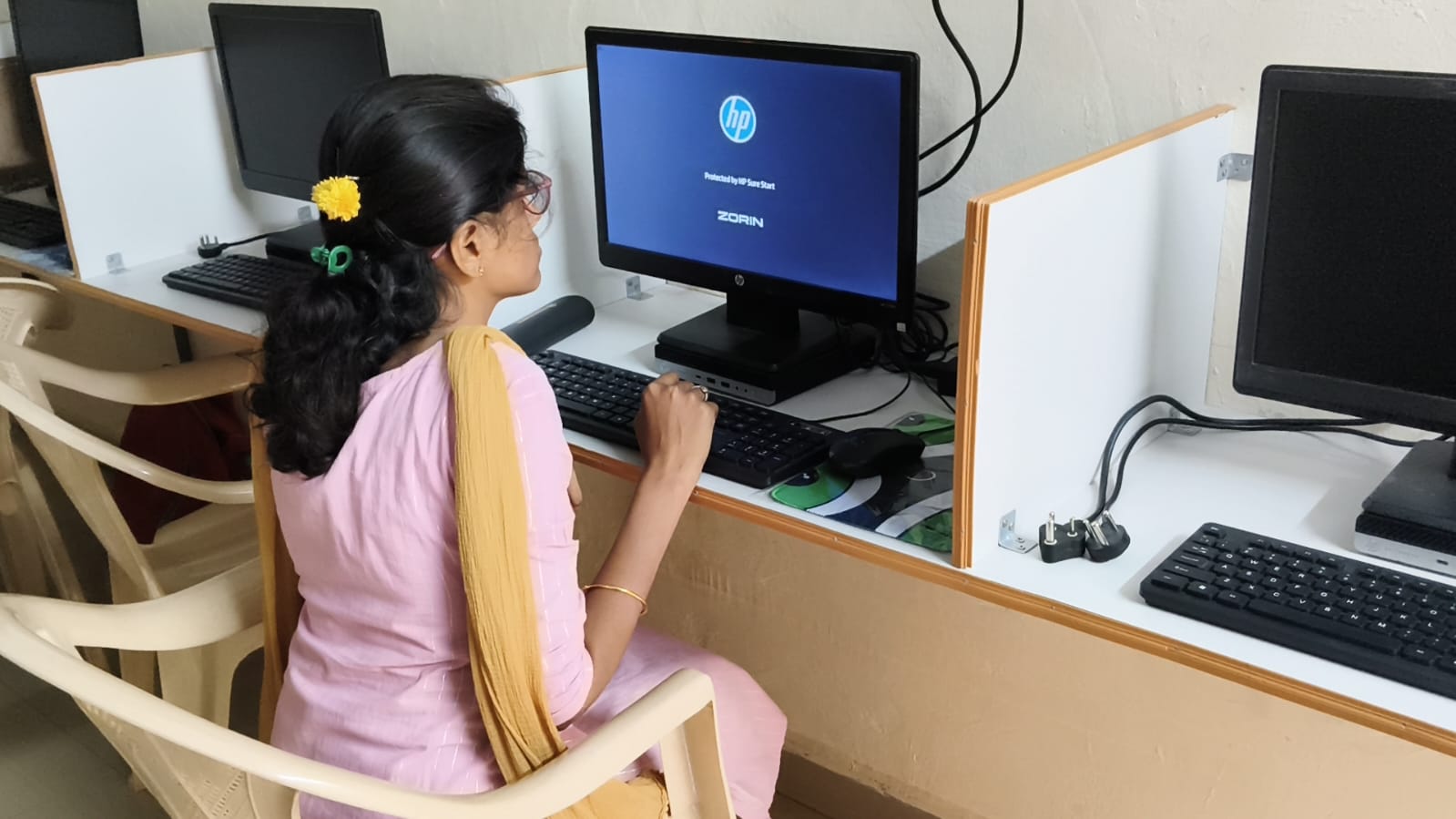
Think about it like this. When you are cooking dal, and you turn off the stove for two hours, you have to start heating it all over again. But if you lower the flame for a minute, the dal stays warm and ready. Your child’s brain works the same way with timed breaks between study sessions.
Long breaks, especially those involving screens, social media, or intense physical activity, create a hard reset in the brain. Your child goes from “study mode” to “play mode” and then struggles to switch back. This is one of the biggest focus-technique mistakes parents make without realising it.
A study in the Education in India research landscape shows that students who take frequent short breaks score 20-30% higher on retention tests than those who study for long, uninterrupted sessions. The Ministry of Education has also emphasised the importance of balanced study routines for better student productivity.
The Right Way to Structure Study Breaks at Home
Here is a simple routine you can start today. Set a timer for 25 minutes of focused study: no phone, no TV, no distractions. Then give your child a 5-minute break to stretch, drink water, or look out the window. After four such cycles, allow a longer 15-minute break.
The key is what your child does during the break. Scrolling Instagram or watching YouTube shorts is not a real break; it is just another form of mental stimulation. Good study break activities include walking around the house, having a snack, doing simple stretches, or just sitting quietly.
Parents using screen time and learning myth resources have found that removing screens during breaks actually improves concentration by 40%. The study space warning signs guide also helps you identify if your child’s study environment is contributing to poor focus.
Building a Study System That Works for Indian Families
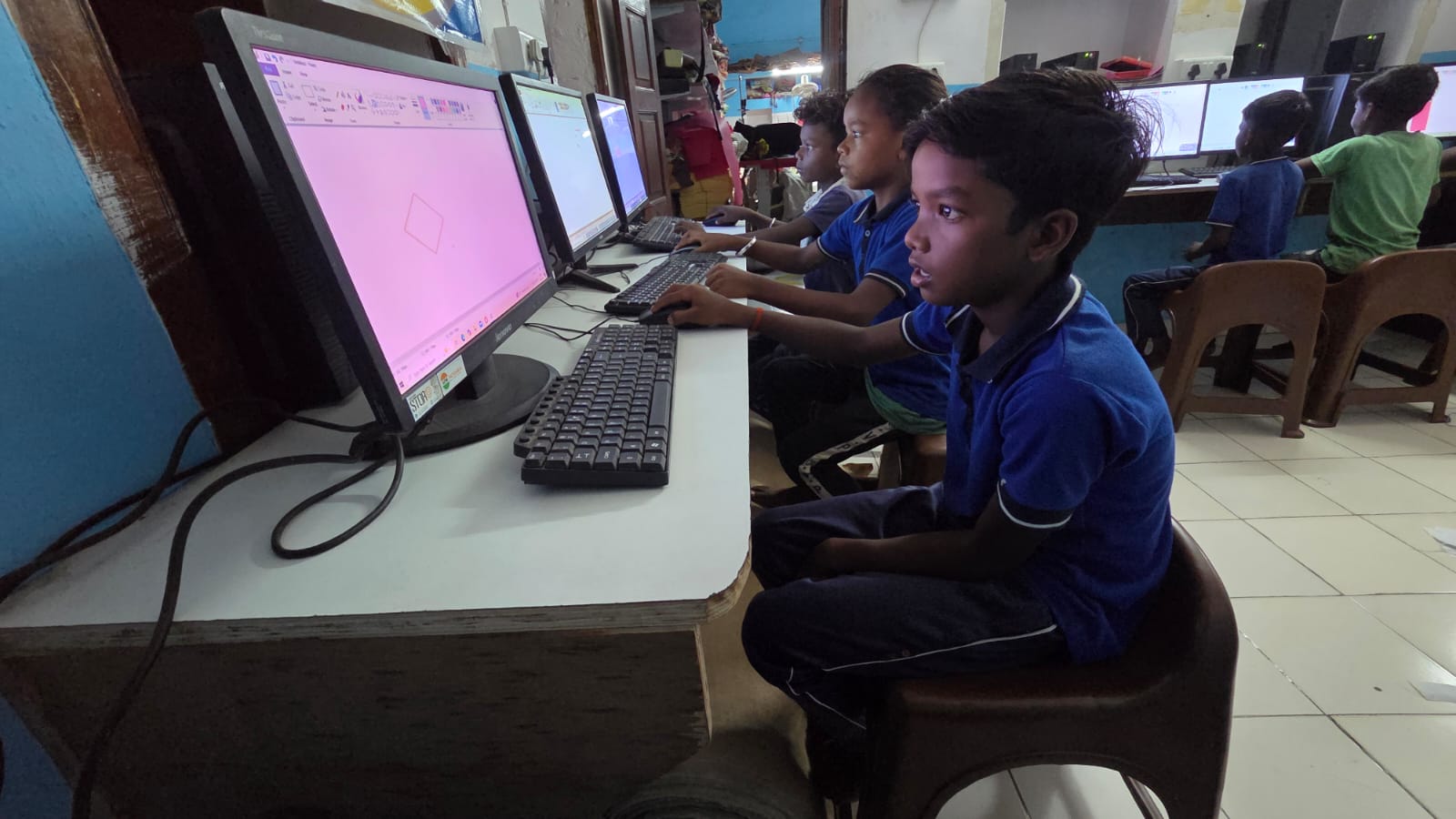
In most Indian homes, study time is sacred. Parents sacrifice a lot to ensure their children have a quiet place to study. But the quality of study time matters more than the quantity. A child who studies for 45 minutes with proper short breaks will learn more than one who sits with books for three hours straight.
Start by observing your child. Notice when their attention starts to wander. For most children, this happens around the 25-30 minute mark. That is your signal for a short study break. Do not wait until they are completely burnt out.
Make these breaks a part of the routine, not a reward for good behaviour. When breaks are predictable and structured, your child’s brain learns to expect them and manages energy better. This is one of the most effective focus techniques backed by learning science.
An educational computer like Apna PC helps create this structured study environment. With Apni Prerna monitoring software pre-installed, you can set study sessions and break times automatically. The distraction-free setup means your child is actually studying during study time, not secretly watching videos. Priced at Rs.30,000 (shipping and GST excluded), Apna PC comes with Zorin OS, LibreOffice, and Scratch pre-loaded- everything your child needs for productive study sessions.
Study breaks are not about giving your child more free time. They are about making the study time they already have actually count. Start with short breaks today, and watch your child’s concentration improve within a week.
Ready to give your child a focused learning environment? Visit apnapc.com to learn more.