


Priya sat at her desk last night, staring at her Class 10 Science textbook. Her mother had asked her to revise for the upcoming board examination, but she’d been reading the same paragraph for twenty minutes without absorbing anything. “I hate revision,” she muttered, closing the book. Her parents were frustrated. They’d invested in her education, but she treated studying like punishment instead of building a habit. Sound familiar? Many students struggle with revision habits in tier 2 and tier 3 cities. The truth is, revision doesn’t have to feel like a chore. When you build revision habits into your daily routine, studying becomes as natural as brushing your teeth. This blog will show you how to turn revision into a habit that sticks, making exam preparation easier for you and your family.
Why Revision Habits Matter More Than Last-Minute Cramming
Let’s be honest: cramming the night before an exam doesn’t work. Your brain can’t retain information when you’re stressed and sleep-deprived. But when you revise regularly, your brain stores information in long-term memory. This is how toppers study, and it’s how you can too.
Research shows that spacing out your study sessions helps you remember better. If you revise for 30 minutes daily instead of 5 hours before the exam, you’ll score higher. Your brain needs time to process and consolidate what you’ve learned. Revision habits create that rhythm.
Parents, here’s what matters: when your child builds revision habits early, they don’t panic during exam season. They’re already prepared. There’s no last-minute stress, no sleepless nights, no arguments about studying.
Three Steps to Turn Revision Into a Daily Habit
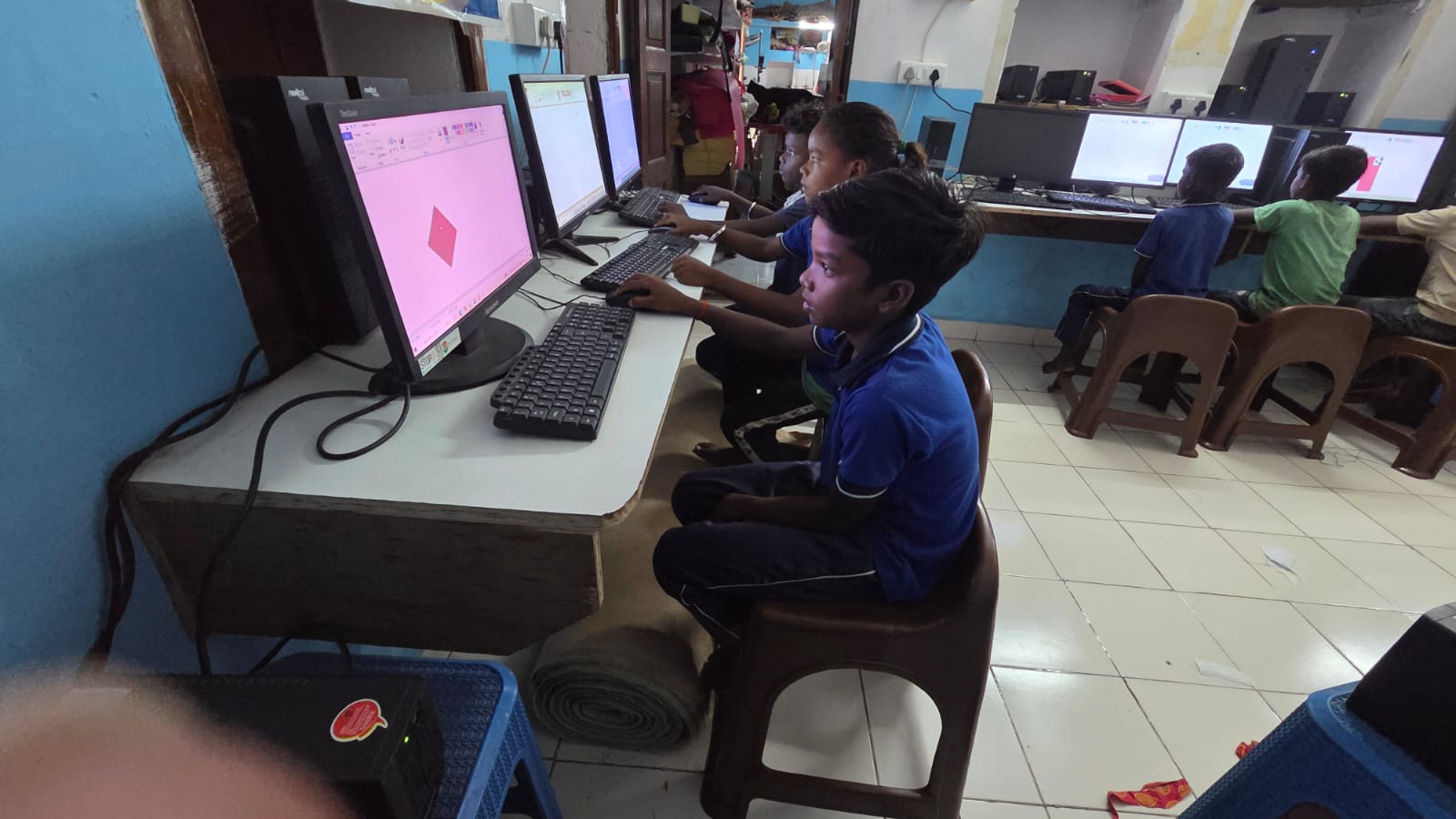
Building a habit takes about 21 days of consistency. Here’s how you can help your child get there:
- Start Small and Specific. Don’t say “revise for an hour.” Instead, say “revise Chapter 3 Science notes for 20 minutes after lunch.” Small, specific goals are easier to achieve and build momentum.
- Use the Same Time and Place Every Day. Your brain works better with routine. If your child revises at the same desk, at the same time each day, their brain will automatically shift into study mode. After two weeks, they won’t need reminders.
- Make It Visible and Rewarding. Create a simple checklist on the wall. Every day your child completes their revision, they tick it off. After 7 days, they get a small reward (not money, maybe extra screen time or their favourite snack). This reinforces the habit.
These three steps work because they remove friction. Your child doesn’t have to decide when or where to revise. The decision is already made. They follow the routine.
Tools That Make Revision Easier
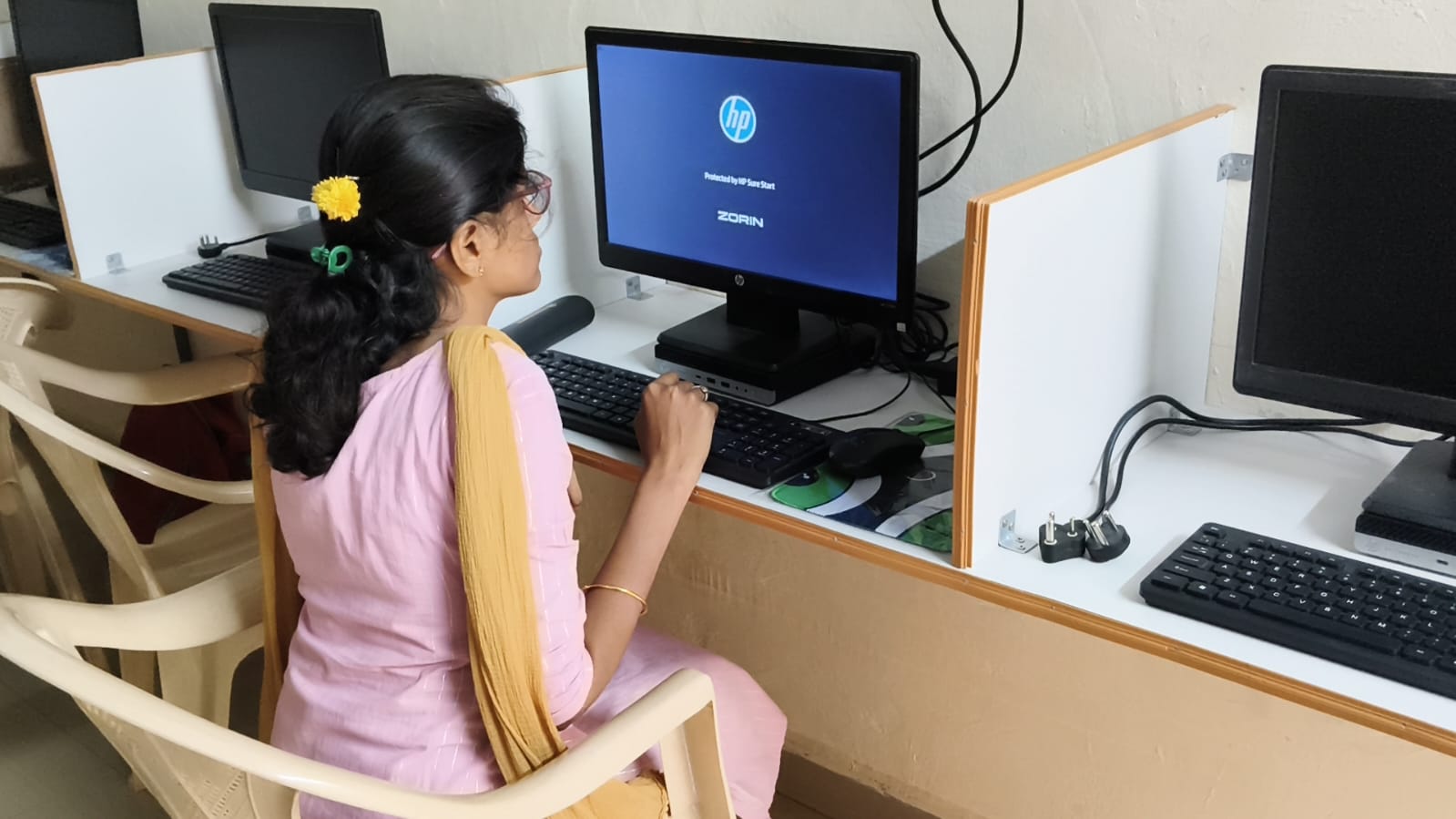
The right tools can make a huge difference. A dedicated study device helps your child focus without distractions. The Apna PC, for example, comes with Apni Prerna, a student monitoring system that tracks study progress and keeps your child accountable. It’s designed specifically for students like yours.
The Apna PC also comes preloaded with LibreOffice and Scratch, so your child can create flashcards, organise notes, and even make interactive study materials. When studying feels interactive and engaging, it stops feeling like a chore. Plus, Zorin OS ensures a clean, distraction-free environment without random ads or notifications.
You can also use simple apps on any device: Anki for flashcards, Notion for organising notes, or even a Google Sheet to track what’s been revised. The key is consistency, not complexity.
Check out our guide on revision memory tricks to combine habit-building with effective study techniques. We’ve also got night-before-exam tips for when your child needs a final push.
Common Mistakes Parents Make When Building Study Habits
Don’t push too hard too fast. If your child isn’t used to revising, asking them to study for 2 hours daily will backfire. Start with 15-20 minutes. Build up gradually.
Don’t compare your child to others. “Why can’t you study like Raj from next door?” doesn’t motivate. It creates resentment. Every child’s pace is different. Focus on your child’s progress, not others’.
Don’t skip weekends. Habits need consistency, even on holidays. A 2-day break can break the chain. Light, 15-minute revision on weekends keeps the momentum going.
Don’t ignore the environment. A noisy house, a cluttered desk, or a phone nearby makes revision harder. Set up a proper study space. According to CBSE official guidelines, students perform better in dedicated study areas.
How to Know Your Revision Habits Are Working
After 3-4 weeks, you’ll notice changes. Your child won’t complain about revision anymore. They’ll automatically sit down at the scheduled time. They’ll remember concepts better. Their test scores will improve gradually, not dramatically overnight, but consistently.
You’ll also notice less stress at home. No more arguments about studying. No more panic before exams. Just a calm, prepared student who knows they’ve put in the work.
Building good study habits takes patience, but it’s one of the best investments you can make in your child’s future. When they learn to revise consistently now, they’ll carry this skill into college and beyond. Success isn’t about being brilliant. It’s about being consistent. Start today, stay committed for 21 days, and watch your child transform from someone who dreads revision into someone who revises naturally. Visit apnapc.com to learn more.