

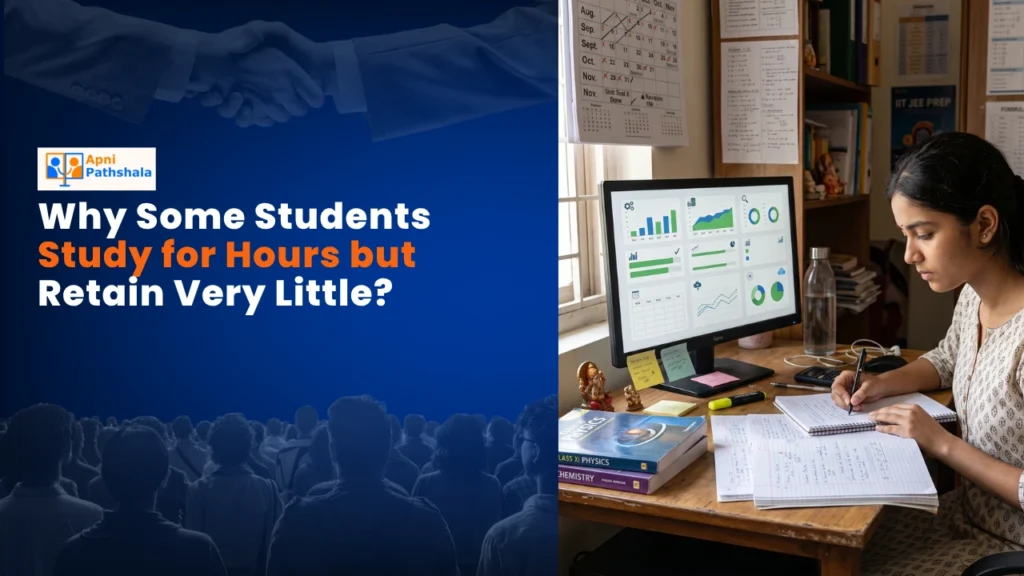
Every parent has seen it: your child studies for 3 hours, yet can’t recall what they learned the next day. This frustration is real, and it affects millions of Indian students preparing for board exams and competitive entrance tests. The problem isn’t a lack of effort, but a lack of effective strategy. Memory retention is the real measure of successful studying, not the hours spent with books open. Most students confuse “time spent studying” with “knowledge actually learned.” This gap between effort and results leaves parents worried and students discouraged.
Why Passive Reading Fails Your Memory Retention
The biggest trap is passive reading. Your child reads a chapter, highlights text, reads it again. This feels productive, but neuroscience tells us otherwise. When you passively consume information, your brain treats it as background noise. The information enters short-term memory and disappears within hours, leaving no lasting trace.
Passive re-reading creates a false sense of familiarity. Students think, “I’ve read this before, so I know it,” but recognition is not the same as recall. When exam day arrives and they must retrieve that information without the textbook in front of them, the memory isn’t there. This is why memory retention requires active engagement, not passive exposure.
Research from cognitive psychology shows that the brain encodes information more deeply when it must work harder to process it. Effortless reading leaves shallow memories. Real learning demands struggle and effort.
Active Learning: The Real Path to Memory Retention
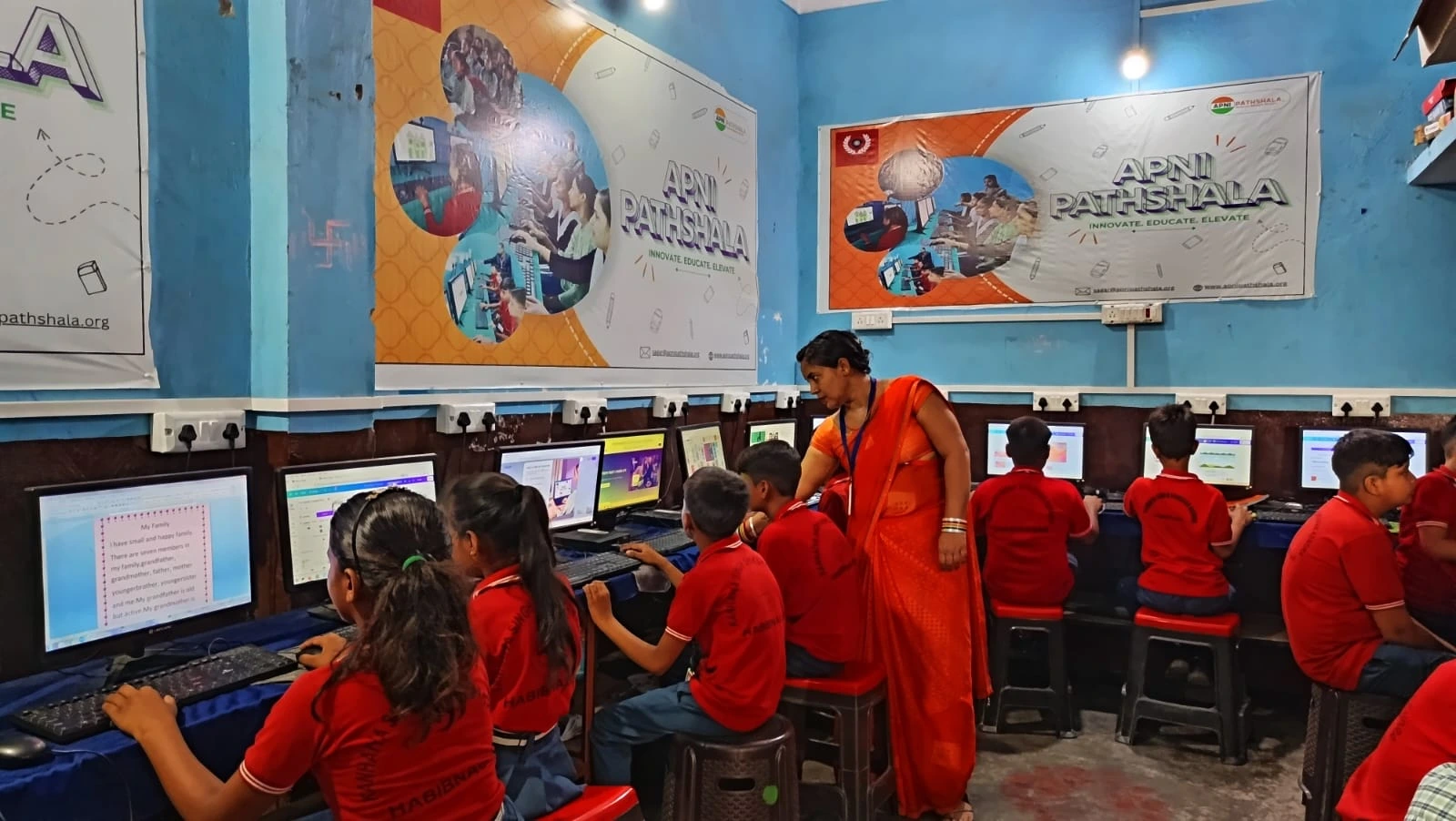
Active learning means your brain does the work, not just receives information. Instead of re-reading, students should practice retrieval. This means closing the book and trying to recall what was learned. It means solving practice problems, teaching the concept to someone else, or creating mind maps from memory.
Active learning techniques include:
- Practice testing: Answer questions without looking at notes
- Self-explanation: Talk through concepts aloud in your own words
- Elaboration: Connect new information to what you already know
- Interleaving: Mix different topics instead of studying one topic for hours
When students engage in these activities, their brains create stronger neural pathways. Memory retention improves dramatically because the information is stored in multiple ways, making it easier to retrieve later.
The Science Behind Spaced Revision Techniques
One of the most powerful memory retention strategies is spaced repetition. Don’t study a topic once and move on. Instead, review it after 1 day, then 3 days, then 1 week, then 2 weeks. Each time you revisit the material, your memory strengthens, and the information moves into long-term storage.
The forgetting curve, discovered by psychologist Hermann Ebbinghaus, shows that we forget information rapidly if we don’t review it. But strategic review at the right intervals prevents this forgetting. This is why cramming the night before an exam is so ineffective. Your brain hasn’t had time to consolidate memories through spaced repetition.
Many Indian students preparing for JEE, NEET, or board exams waste time by studying the same topic repeatedly in one sitting. This creates the illusion of learning but leads to poor memory retention. Spacing out your revision is far more effective.
How Study Breaks Boost Memory Retention
Here’s a counterintuitive truth: taking breaks actually improves memory retention. When your brain works continuously for hours, it becomes fatigued and stops encoding information effectively. After a 15- 20-minute break, your brain resets and is ready to learn again.
Study breaks help kids focus better by allowing the brain to consolidate what it just learned. During breaks, your brain processes information in the background, moving it from working memory to long-term storage. This is why the Pomodoro Technique (25 minutesof study, 5 minutes of break) works so well for memory retention.
Many parents push their children to study without breaks, thinking longer sessions mean more learning. The opposite is true. Quality beats quantity every time.
Books vs Digital Tools: Which Supports Better Memory Retention?
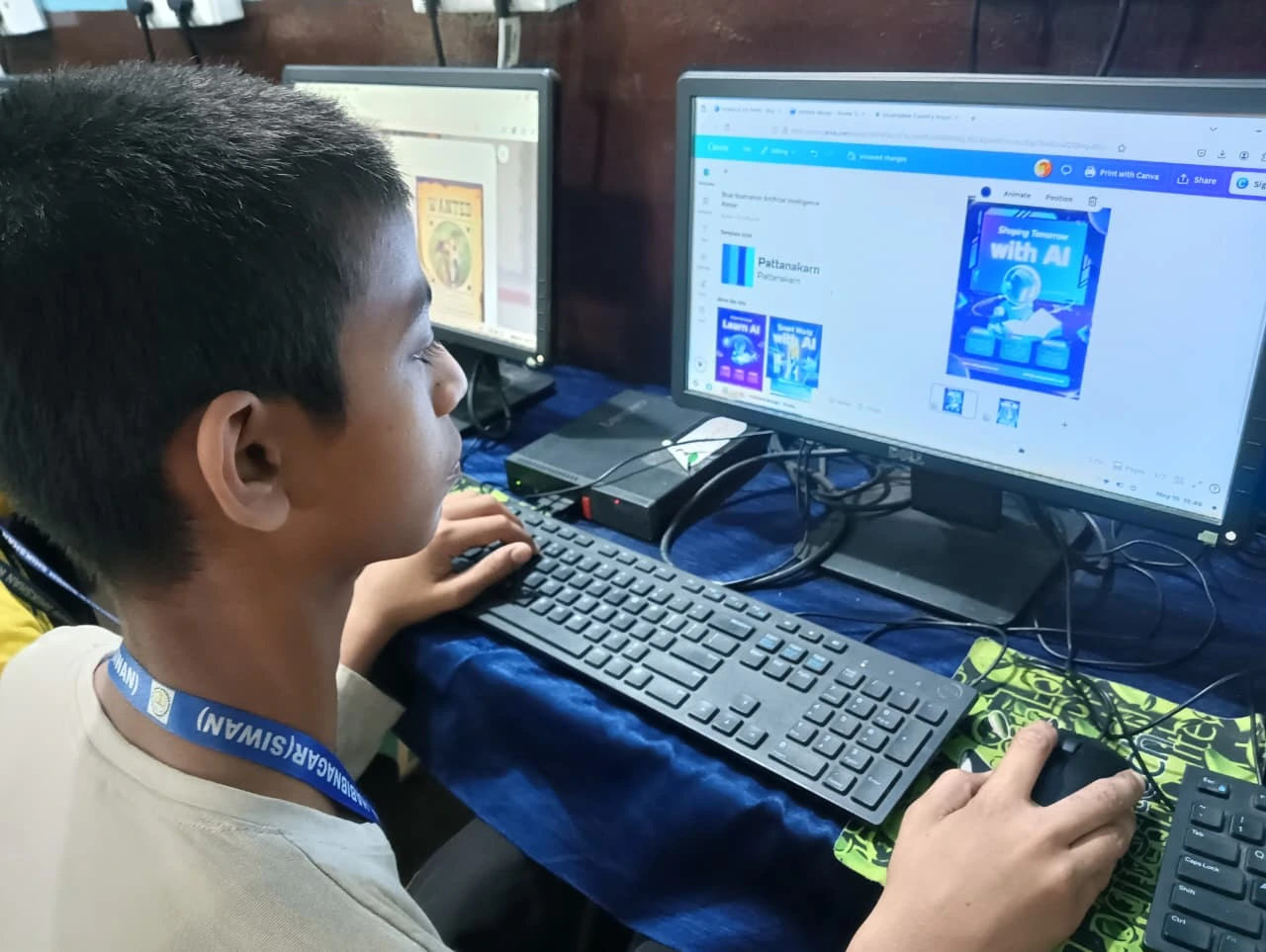
The format you use for studying also affects memory retention.—differencebetween studying from books and digital platforms matters. Digital tools often provide interactive quizzes, immediate feedback, and multimedia explanations that engage multiple senses. This multi-sensory engagement creates stronger memories than text alone.
Platforms like DIKSHA offer video lessons, practice problems, and instant feedback. When students see explanations, hear them, and practice problems, their memory retention improves significantly compared to passive textbook reading.
However, the medium matters less than the method. Whether using books or screens, active learning and spaced repetition are what drive memory retention.
Practical Steps to Improve Memory Retention Starting Today
Create a revision schedule. After learning a new topic, review it the same day, then after 3 days, then a week later. Mark these dates on your calendar.
Replace highlighting with active recall. Instead of highlighting text, close the book and write down what you remember. Check your notes against the text to see what you missed.
Teach someone else. Explaining concepts to a friend or family member forces you to organise knowledge clearly. This strengthens memory retention far more than passive studying.
Use practice problems extensively. Don’t just read solutions. Solve problems yourself, make mistakes, and learn from them. This struggle is where real learning happens.
Take proper breaks. Every 25-30 minutes of focused study, take a 5-10 minute break. Your brain needs this recovery time to consolidate memories.
Why Technology Matters for Memory Retention
Modern educational tools support better memory retention when used correctly. A computer or tablet allows students to access interactive learning resources, take digital notes, and track their progress. Learning research shows that students who use varied tools and methods retain information better than those who rely on a single approach.
An affordable educational computer can transform how your child studies. With access to online courses, practice tests, and interactive explanations, students can employ active learning techniques that textbooks alone cannot provide. Memory retention improves when students have tools that encourage engagement rather than passive consumption.
Visit apnapc.com to learn more about how affordable educational computers can support your child’s learning journey with tools and resources designed for active, effective studying that truly sticks in memory.