


Staying motivated across a long preparation period is harder than the content itself. The first few weeks are energising. By the middle of the process, the novelty is gone and the finish line is not yet visible. This is when most students slow down. The strategies that work are not about willpower, they are about structure, visible progress, and the right environment.
Why Does Motivation Drop After the First Few Weeks of Preparation?
Early in a preparation process, the novelty of starting something new provides its own energy. Students feel productive just by opening books and making plans. As weeks pass, the feeling of progress fades because the gap between current ability and exam readiness is still large and difficult to see.
Motivation follows perceived progress. When students cannot see how far they have come, they conclude they are not moving forward. This is usually wrong, the progress is happening but is not visible. Making progress measurable is the most reliable way to prevent motivation from fading.
What Makes Progress Visible During Long Preparation Periods?
The clearest way to make progress visible is to track completed work, not remaining work. A list of chapters covered, problems solved, and topics revised shows what has been done. When a student looks at this record, they see evidence of effort rather than a wall of remaining material.
Apni Prerna, built into Apna PC, tracks daily study sessions with subject-level detail. Students can see which subjects they have worked on and for how long. Over weeks, this record becomes evidence of real effort. Parents can review the data with their child to reinforce the progress narrative rather than focusing only on what remains. For more on how small consistent actions build exam readiness, the guide on small daily wins and exam confidence explains the mechanism in detail.
How Do Breaks and Rest Fit Into a Long Preparation Schedule?
Trying to study without breaks across a long preparation period leads to fatigue, not stronger results. The brain consolidates learning during rest. Scheduled breaks are part of effective preparation, not a sign of laziness. The key is making breaks time-limited and separating them from study time rather than blending the two.
A student who studies at a desk dedicated only to school work and then moves to a different area for breaks trains their brain to associate the desk with focused effort. Apna PC, used only at the study desk, creates this physical separation. When the student is at the computer, the association is work. When they step away, the association is rest. For recognising when fatigue has become burnout, the guide on how to spot student burnout early covers the signs parents should watch for.
- Track completed chapters and topics, not just the ones remaining
- Use a fixed after-school window for study and a separate area for breaks
- Review Apni Prerna session data weekly to see accumulated effort
- Adjust subject balance based on session data, not just feeling
What Role Does the Study Environment Play in Sustaining Motivation?
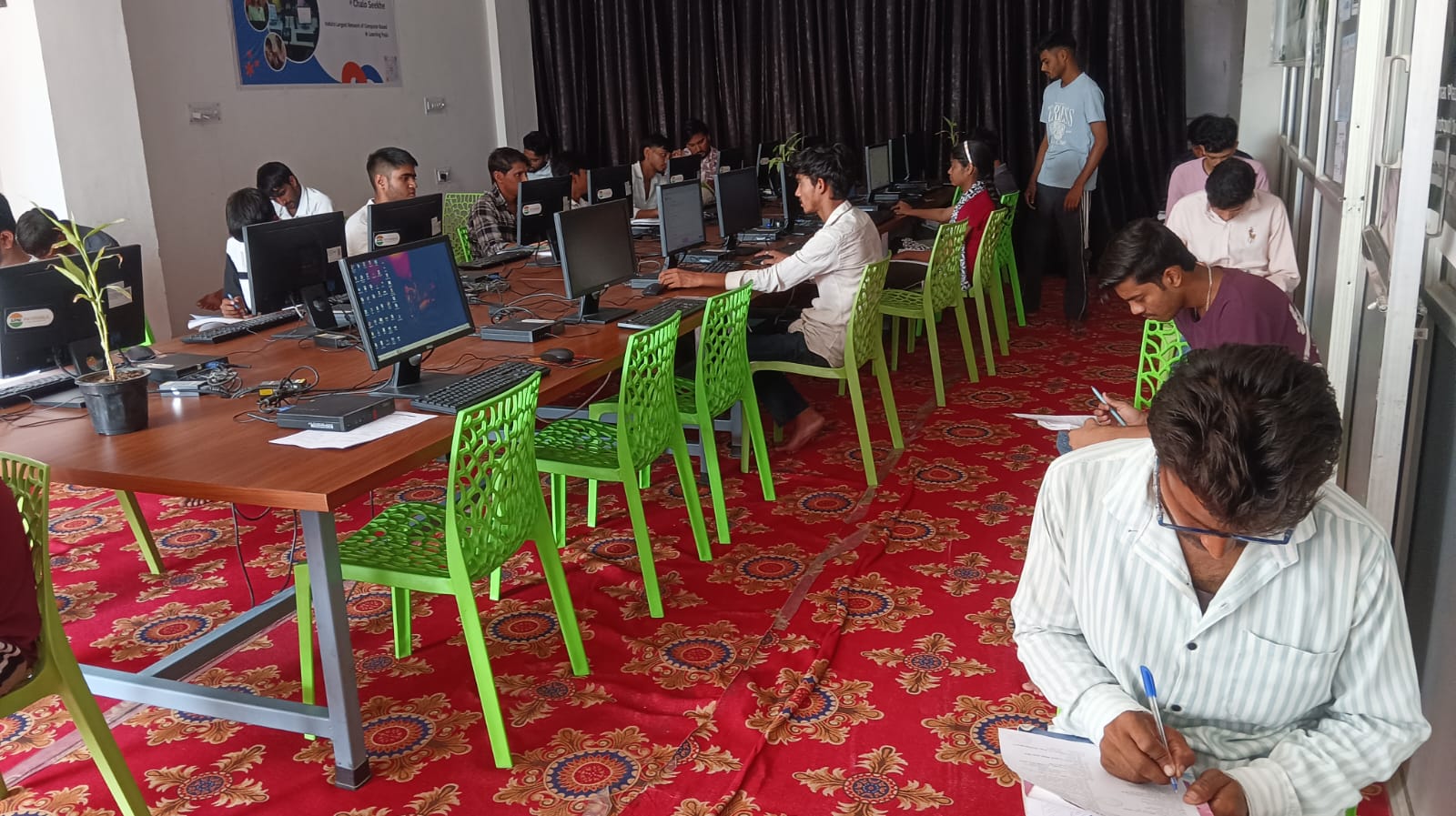
An environment that makes starting easy reduces the energy cost of beginning each session. If the student’s computer is shared, slow to start, or filled with distracting notifications, the act of sitting down to study requires overcoming multiple small obstacles. Each obstacle drains motivation before the work begins.
Apna PC, at Rs.30,000 (shipping and GST excluded), removes these friction points. It opens quickly, has no entertainment shortcuts on the desktop, and is configured only for learning. When a student sits at Apna PC, the environment signals that this is study time. This consistency over months is what sustains effort when novelty has faded.
How Do Parents Support Motivation Without Adding Pressure?
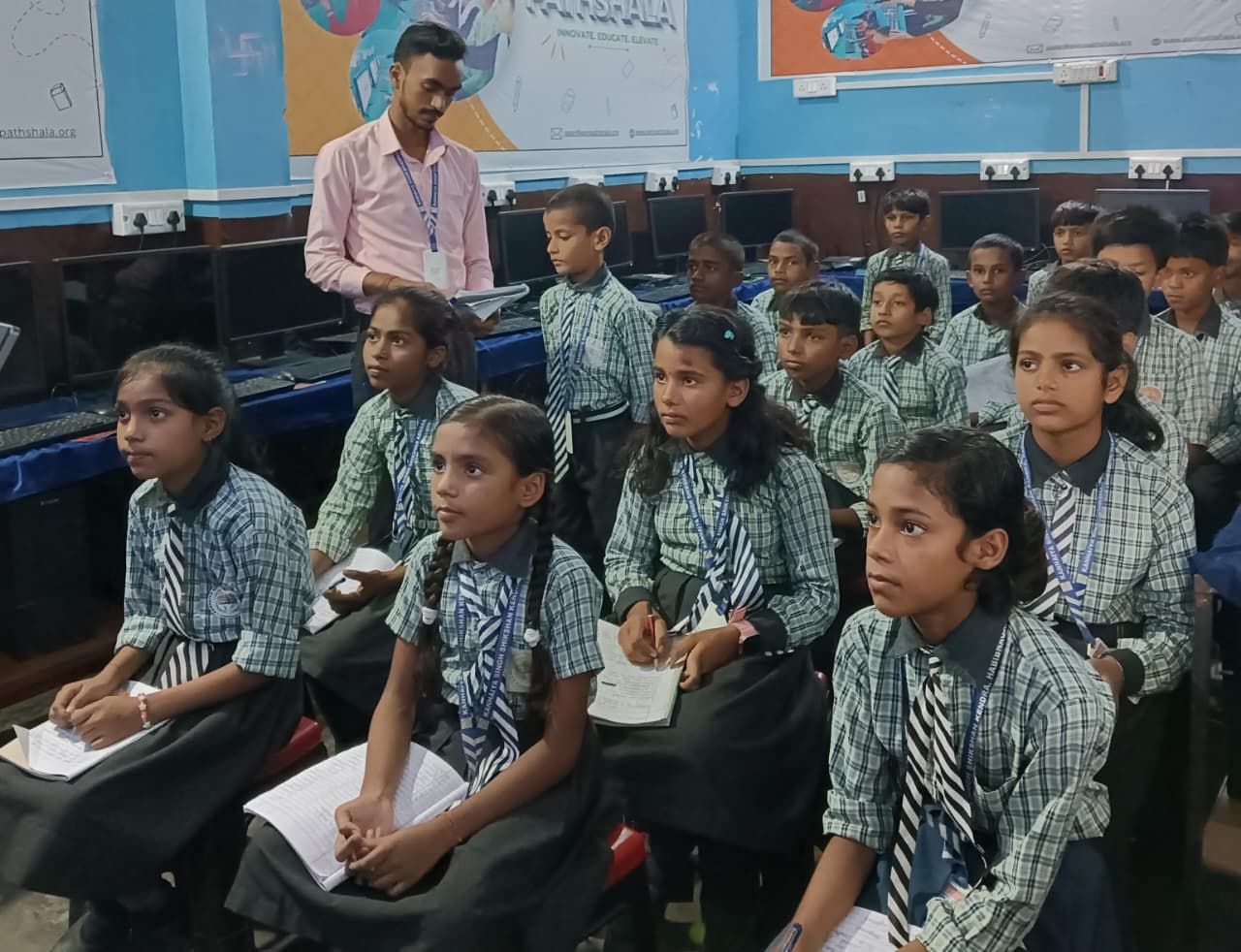
The most useful parent role during long preparation is as a progress witness, not a pressure source. Reviewing Apni Prerna session data with the student and noting what was accomplished builds the student’s sense of progress. Asking questions about what the student learned today rather than how much more they need to do shifts the focus from deficit to achievement.
Parents who set up a dedicated study device and consistent study time have already done the most important structural work. For the broader picture on what effective study sessions look like, the guide on productive study session strategies explains the specific behaviours that make sessions more effective.
Frequently Asked Questions
How long does motivation typically last before it needs to be rebuilt?
Motivation naturally fluctuates during long preparation periods. It is not a steady resource, it rises and falls based on perceived progress, external feedback, and physical energy. Rather than relying on motivation to stay constant, build a routine that does not require it. A fixed study time each day, tracked progress, and a distraction-free environment function even on low-motivation days.
Is it normal for a student to want to quit during preparation?
Yes. Wanting to stop is a normal experience during any long-term effort, especially when the work is difficult and the results are not yet visible. It is not a sign of inability. The correct response is to review completed work to remind the student of real progress, reduce the session length temporarily to rebuild the habit, and check whether the study environment has accumulated new distractions.
Can parents tell from Apni Prerna data whether motivation is fading?
Yes. A drop in session frequency or duration, combined with shortened time per subject, is visible in Apni Prerna data before it shows up in grades. Parents who review data weekly can catch these patterns early and adjust the routine before motivation becomes a serious problem. The data also provides a basis for a specific, evidence-based conversation rather than a general one about effort.
Maintaining motivation across a long preparation process requires structure more than willpower. Apna PC and Apni Prerna together create the visible progress and distraction-free environment that make consistent effort sustainable. Visit apnapc.com to find out more.