

Aarjun’s Story: When a Computer Became His Teacher
Aarjun was eleven when his mother, Priya, noticed something troubling. He’d sit with his textbooks for hours, but nothing seemed to stick. His tuition teacher blamed him for not paying attention. His father blamed the online classes. Nobody asked what Aarjun actually needed. Last year, Priya bought him a basic computer from a local shop, hoping it might help. Within weeks, everything changed. Aarjun started organising his own study schedule, finding resources on his own, and most importantly, asking better questions. What Priya discovered wasn’t just about the device itself. It was about how having his own study tools gave Aarjun something rare: real independent learning.
Your child’s journey toward independence doesn’t happen by accident. It happens when they have the right tools and the freedom to use them their way. Independent learning isn’t about leaving kids alone with books. It means giving your child control over how, when, and what they learn. Study tools designed for students help them take ownership of their education in ways that traditional tutoring can’t match.
What Does Independent Learning Really Mean?
Independent learning means your child can sit down, identify what they don’t understand, find resources to help, and work through problems without waiting for a teacher to be available. It’s not rebellion against education. It’s the opposite. It’s your child becoming an active participant in their own growth.
When kids have their own computers with the right software, they learn to manage their time better. They discover that learning doesn’t stop when class ends. They realise they can pause a lesson, rewind it, try again, and move forward at their own pace. This is completely different from the pressure-filled classroom environment where everyone moves at the same speed.
The learning process becomes personal. Your daughter might prefer watching videos first, then reading. Your son might want to solve problems before understanding the theory. With their own study tools, both approaches work.
Why Your Child Needs Study Tools for Independent Learning
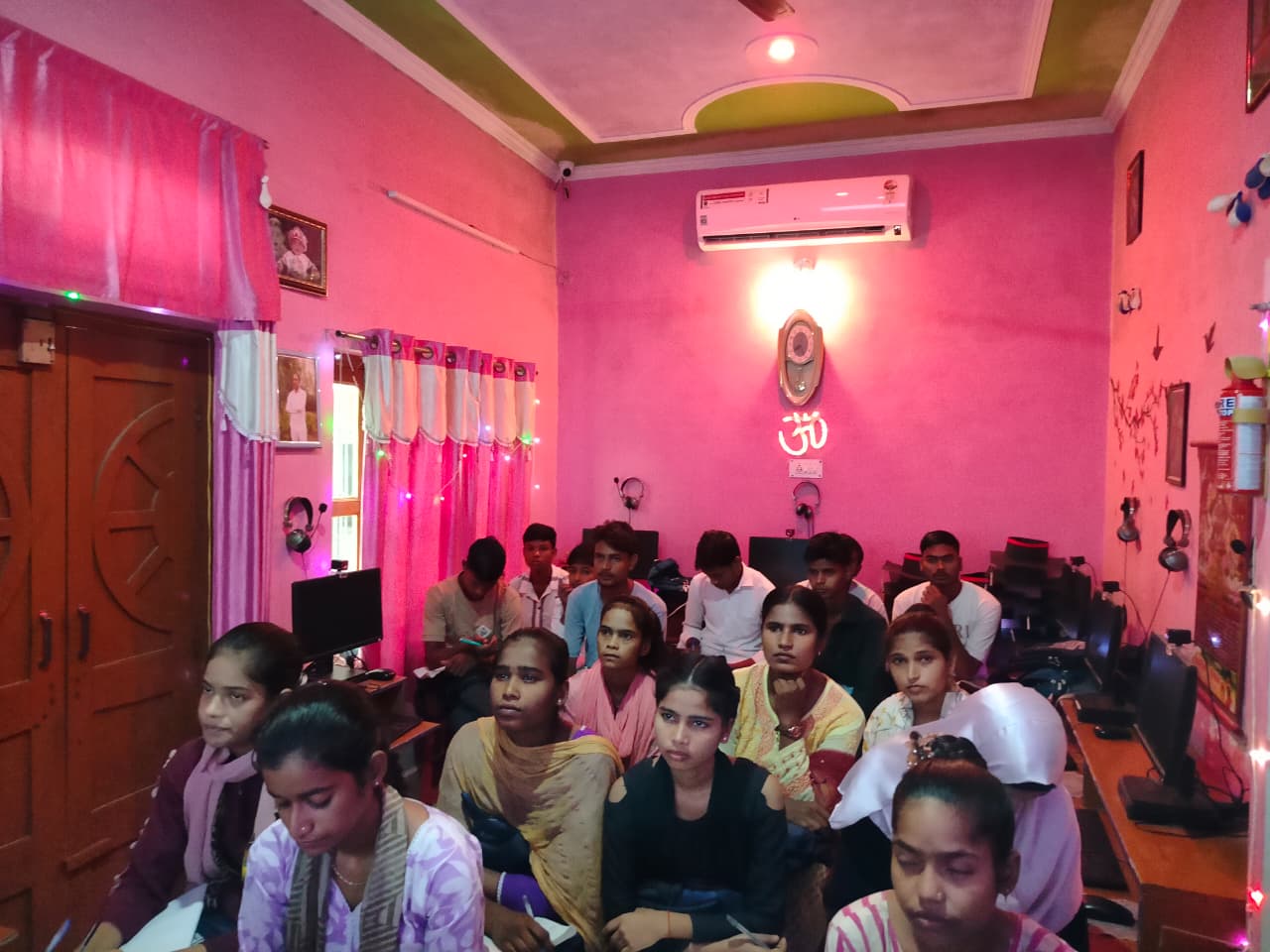
Shared devices create shared problems. Your child waits for you to finish work. Your child feels rushed because someone else needs the laptop. Your child can’t keep their study space organised the way they like it. These small frustrations add up and kill motivation.
When your child has their own computer, several things shift:
- Responsibility grows. They take care of their device. They organise their files. They manage their own learning schedule.
- Confidence builds. They don’t ask permission to study. They don’t feel like a burden. They own their learning space.
- Focus improves. No distractions from family members. No arguments about who gets the device. Just them and their studies.
- Skills develop faster. They learn keyboard shortcuts, file management, and digital literacy naturally as they study. These skills matter in every career.
Apna PC understands this. It’s built specifically for students like yours. With 8GB RAM and 128GB SSD, it handles everything a student needs without slowing down. The pre-loaded software includes LibreOffice for documents and presentations, Scratch for creative coding, and Zorin OS ,which is simple and safe for young learners.
How the Right Computer Transforms Study Habits
A computer designed for students removes barriers to self-directed study. It doesn’t come loaded with games and distractions. It comes loaded with what matters: tools for research, writing, coding, and problem-solving.
Apni Prerna, the student monitoring software included with Apna PC, lets you stay informed without hovering. You can see what your child is working on, how much time they’re spending, and where they might need help. This isn’t about control. It’s about support from a distance. You’re not looking over their shoulder. You’re checking in thoughtfully.
When your child learns active learning study methods, they stop being passive consumers of information. They become creators. They take notes in their own words. They make mind maps. They build projects. This is when real learning happens.
A focused study hour with the right tools accomplishes more than three distracted hours with a shared device. Your child’s brain works better when they’re in control of their environment and their pace.
Building Real Skills Beyond the Syllabus
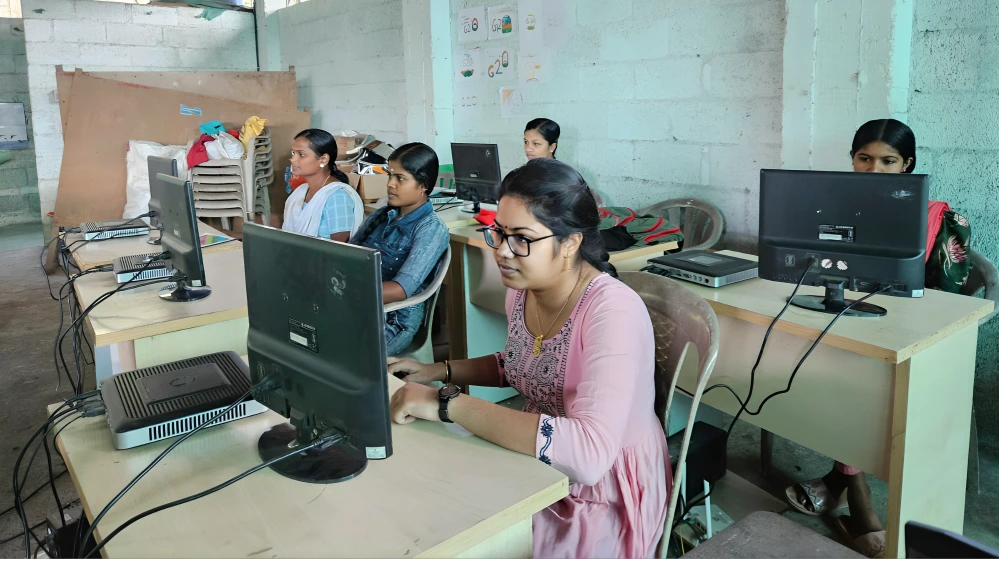
Here’s what parents in Tier 2 and Tier 3 cities often miss: every hour your child spends on their own computer is an hour they’re learning digital skills. They’re learning how to organise files. How to use different software. How to troubleshoot when something doesn’t work. How to research effectively. These skills matter more than you think.
In 2024, digital literacy isn’t optional. It’s essential. Your child is building these skills while studying, not after. By the time they reach college, they won’t be that student who doesn’t know how to use a computer. They’ll be comfortable, confident, and capable.
You can also connect Apna PC to the DIKSHA digital learning platform, which offers free government government educational content. Your child gets access to quality resources at no extra cost.
The Cost of Independencevs. The Cost of Dependence
Yes, Apna PC costs Rs.30,000. That feels like real money. But consider what you’re actually buying. You’re buying your child’s independence. You’re buying their confidence. You’re buying a tool that will serve them through school, college, and beyond.
Compare this to the ongoing cost of tuition, coaching classes, and endless devices that don’t serve your child’s learning. A quality computer designed for students pays for itself in the first year through better focus, faster learning, and reduced need for external help.
Your child won’t outgrow this investment quickly. The 8GB RAM and 128GB SSD are enough for years of schooling. The software is designed to grow with them. It’s not a toy. It’s a real tool for real learning.
Starting the Independence Journey Today
You don’t need to wait for the perfect moment. You don’t need to worry that your child isn’t “ready” for their own computer. Kids adapt quickly wwiththe right support. Start small. Let them organise one subject’s notes. Let them research one topic on their own. Let them experience what it feels like to solve a problem without immediately asking for help.
Watch what happens. You’ll see curiosity wake up. You’ll see confidence grow. You’ll see your child taking ownership of their education in ways that surprise you. That’s independent learning in action. That’s what Apna PC makes possible.
Your child’s future depends on their ability to learn on their own. Give them the tools today. Visit apnapc.com to learn more.