


Rajesh’s Daughter Couldn’t Focus: A Real Study Space Problem
Rajesh sat at his kitchen table in Nagpur, watching his daughter Priya struggle with her Class 8 math homework. Her phone buzzed every thirty seconds. The TV played in the background. Her younger brother ran through the room. She’d been “studying” for two hours but completed just one problem. He realised the issue wasn’t her intelligence or effort. Her study environment was working against her, not for her. A proper study space isn’t just about having a desk and chair. It’s about creating an environment where your child’s brain can actually focus and learn.
What Your Study Space Actually Needs to Do
Your study space must do three concrete things: reduce distractions, support focus, and encourage learning. Most parents think a learning area needs good lighting and a quiet corner. That’s only half the battle. Your child needs a dedicated area where their mind knows it’s time to work, not play. The brain is like a muscle that learns patterns. When you use the same space for studying every day, your child’s brain starts preparing for focus the moment they sit down.
Think about what breaks your child’s concentration right now. Is it noise from the street? Family members interrupting? Siblings playing nearby? The TV in the next room? A cluttered desk full of toys and snacks? Each distraction pulls your child’s attention away from learning. Your dedicated study area must eliminate as many of these as possible.
The Physical Setup That Actually Works
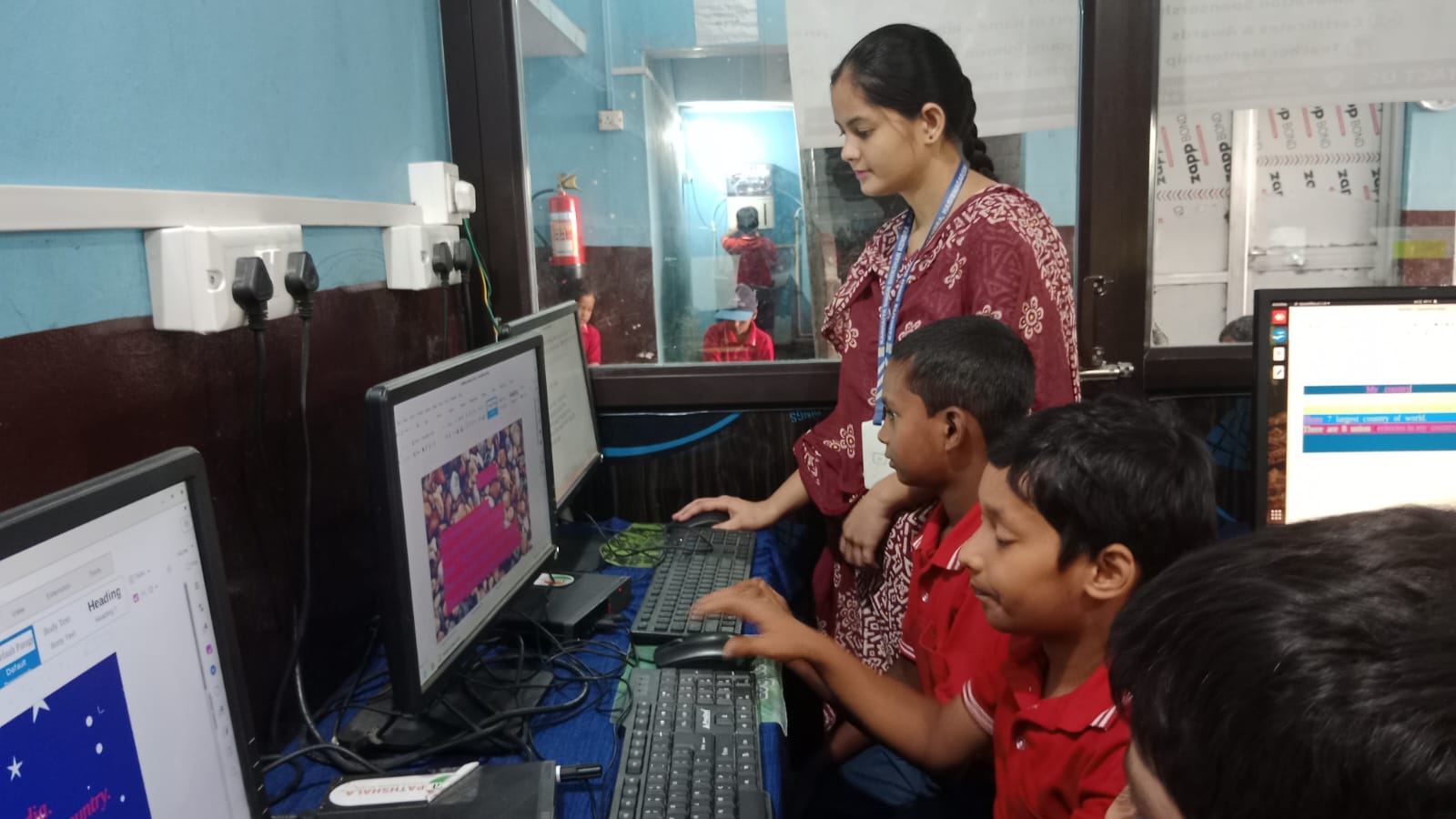
Your study setup needs four physical elements working together. First, location matters more than you think. Choose a corner away from the main living area. If your home is small, even a bed room corner works better than the living room. Second, the desk should face a wall, not a window or doorway. When your child looks up, they shouldn’t see movement or activity that tempts them to stop studying.
Third, your study space needs the right technology. A good computer makes learning interactive and engaging. The Apna PC, for example, comes pre-loaded with educational tools like Scratch for coding and Apni Prerna for tracking progress. It runs Zorin OS, which is clean and distraction-free, unlike computers with ads and unnecessary software. Your child can focus on learning, not fighting pop-ups or notifications.
Fourth, organisation prevents decision fatigue. Your child shouldn’t waste mental energy looking for pencils, notebooks, or textbooks. Keep everything in one place. Use small containers for supplies. Label shelves clearly. When the study area is organised, your child’s mind stays organised too.
Removing Distractions Is Harder Than It Looks
You can’t eliminate all distractions, but you can control most of them. Phone notifications are the biggest culprit. Ask your child to keep their phone in another room during study time. Not just silent. Actually away. Your brain will keep thinking about a phone that’s nearby, even if it’s silent.
Background noise is trickier in Indian homes where multiple family members live together. You can’t always control what happens in the rest of your house. But you can set boundaries. Tell family members that between 4 PM and 6 PM, the study area is quiet time. No TV during those hours. No loud conversations. This shows your child that their focus area is valued and protected.
Visual clutter destroys focus faster than you’d expect. Your child’s desk shouldn’t have toys, snacks, or unrelated items. Keep only what’s needed for today’s studying. Everything else goes away. When your child looks at their desk, they should see only learning materials.
How Your Child’s Brain Responds to a Good Study Space
Something magical happens when you create a real study area. Your child’s brain starts to recognise the pattern. They sit down, and within minutes, their mind shifts into focus mode. This is called environmental conditioning. Your brain learns that this place means it’s time to learn. Over weeks, your child will need less willpower to concentrate because the space itself helps them focus.
You’ll notice your child completes homework faster. They make fewer careless mistakes. They retain information better because they’re not constantly switching attention. They feel calmer and more confident about studying. These aren’t small changes. These are the results of removing friction from learning.
Technology Should Support Learning, Not Distract
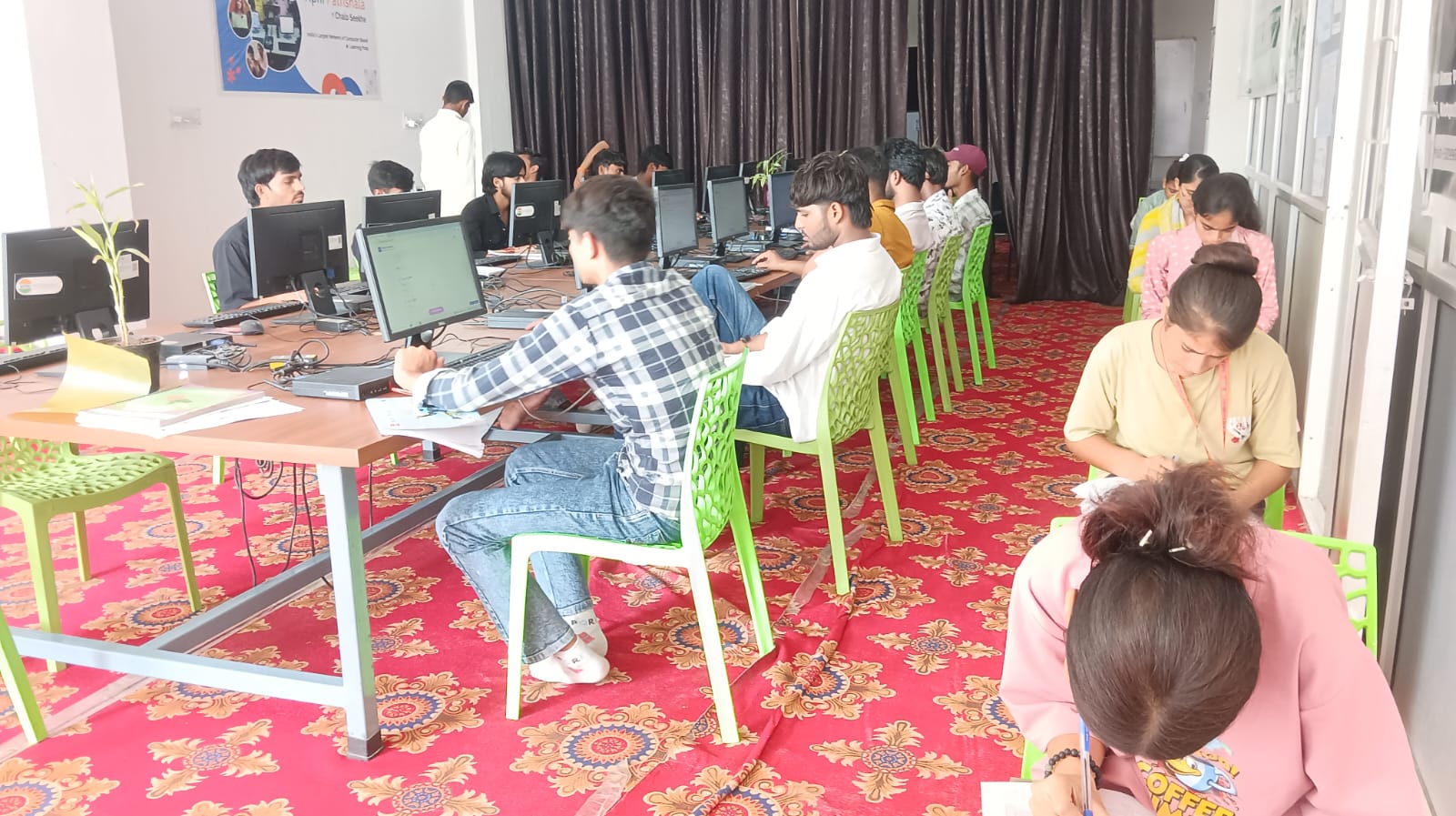
The key is choosing devices designed for education, not entertainment. Research on learning environments shows that the right tools make a measurable difference. Your child’s computer shouldn’t have games, YouTube, or social media pre-installed. It should have tools that help them learn.
The Apna PC includes a concept-learningg approach through Apni Prerna, which tracks your child’s learning without creating pressure. It includes LibreOffice for projects and Scratch for coding. These tools keep your child engaged with learning, not distracted by irrelevant content. The 8GB RAM and 128GB SSD mean everything runs smoothly without lag that kills focus.
Creating Your Study Space on a Budget
You don’t need expensive furniture to build a good study space. A simple desk, a chair that supports good posture, and a lamp are enough. Add a shelf for books and supplies. That’s it.Invest in the right tools, not fancy decoration. The Apna PC at Rs. 30,000 (shipping and GST excluded) is an investment in your child’s learning environment that pays for itself through better focus and results. The Ministry of Education emphasises the importance of digital access for every student.
If you’re in a Tier 2 or Tier 3 city, you might think good educational computers are out of reach. Apna PC was designed exactly for families like yours. It’s affordable, powerful enough for serious studying, and built by Apni Pathshala, which understands Indian students’ needs.
The Role of Your Child’s Mindset
A study space only works if your child respects it. Explain to them why you’re creating this space. Tell them it’s not a punishment area. It’s their learning zone where they have the best chance to succeed. Ask them what would help them focus. Let them choose the wall colour or arrange their supplies. When your child helps design their learning corner, they’re more likely to use it properly.
Your child should understand that the study area is for studying, not for everything. They shouldn’t eat meals there or play games there. This boundary keeps the space’s purpose clear. Your brain learns these patterns when you’re consistent.
Making It Stick: Consistency Is Everything
The best study space fails if your child uses it inconsistently. You need to establish a routine. Same time every day. Same place every day. Your child’s brain learns through repetition. After two weeks of consistent use, you’ll see a real difference in focus and productivity. After a month, it becomes automatic.
Check in with your child about what’s working and what isn’t. Maybe the desk is too high. Maybe they need a footrest. Maybe the lighting is still causing eye strain. Small adjustments make a big difference. Your focus area should evolve as your child’s needs change.
A distraction-free study space isn’t theoretical. It’s practical, measurable, and achievable for your family right now. Start with one element this week. Next week, add another. In a month, you’ll have a space where your child actually wants to study because they can focus and succeed. Visit apnapc.com to learn more.