

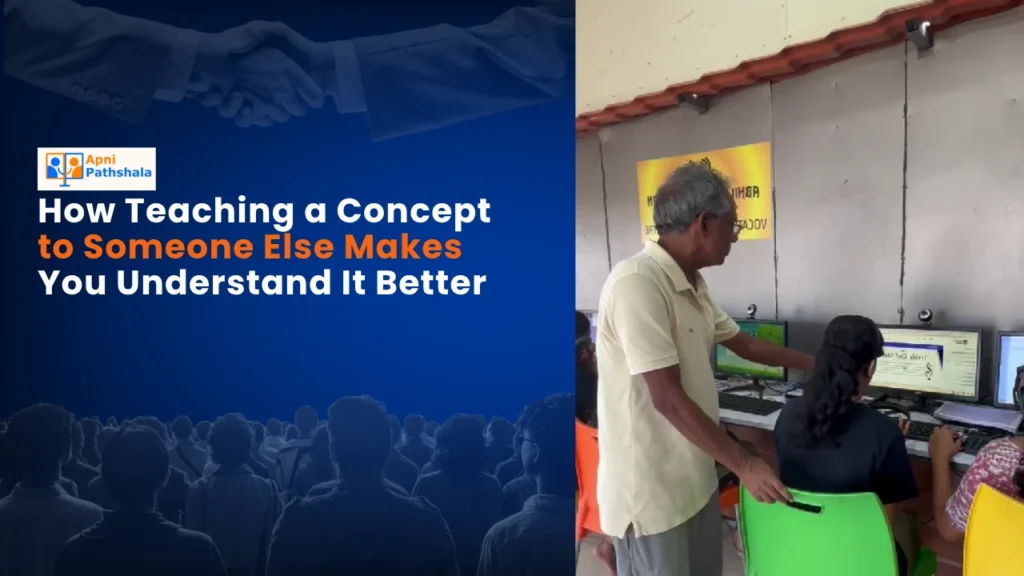
Rajesh’s Breakthrough: When Teaching Changed Everything
Rajesh sat in his Delhi coaching centre, staring at the thermodynamics chapter for the third time. The formulas blurred together. He’d memorised them all for his JEE preparation, but nothing stuck. Then his younger sister asked him to explain why ice melts. He started drawing diagrams, using water bottles as examples, breaking down entropy in simple words. Halfway through, something clicked. He wasn’t just reciting anymore. He was understanding.
This is active learning in action. It isn’t passive reading or highlighting textbooks. It’s when you engage with material by teaching it, discussing it, or applying it to real situations. For students like you preparing for board exams, competitive tests, or just trying to master a difficult subject, this approach can transform your results.
Why Active Learning Works When You Teach
When you teach someone else, your brain works differently. You can’t hide behind memorised answers. You have to organise thoughts, find the right words, and answer unexpected questions. This forces deep understanding instead of surface-level cramming.
Think about it. You can memorise that photosynthesis produces glucose and oxygen. But can you explain why plants need sunlight? Can you answer why a plant in a dark room dies? Teaching forces these connections. Your brain builds stronger neural pathways when you’re explaining concepts to another person.
Research on teaching methods shows that learners retain about 70 per cent of what they teach compared to 5 per cent of what they just read. That’s not a small difference. That’s the gap between passing and scoring well.
- You identify gaps in your knowledge. When someone asks “but why,” you realise what you don’t actually understand.
- You oorganiseinformation better. Teaching forces you to arrange ideas logically instead of randomly.
- You remember longer. Active engagement creates lasting memories, not forgotten cramming.
- You build confidence. Explaining something successfully makes you feel capable and reduces exam anxiety.
Active Learning Methods You Can Start Today
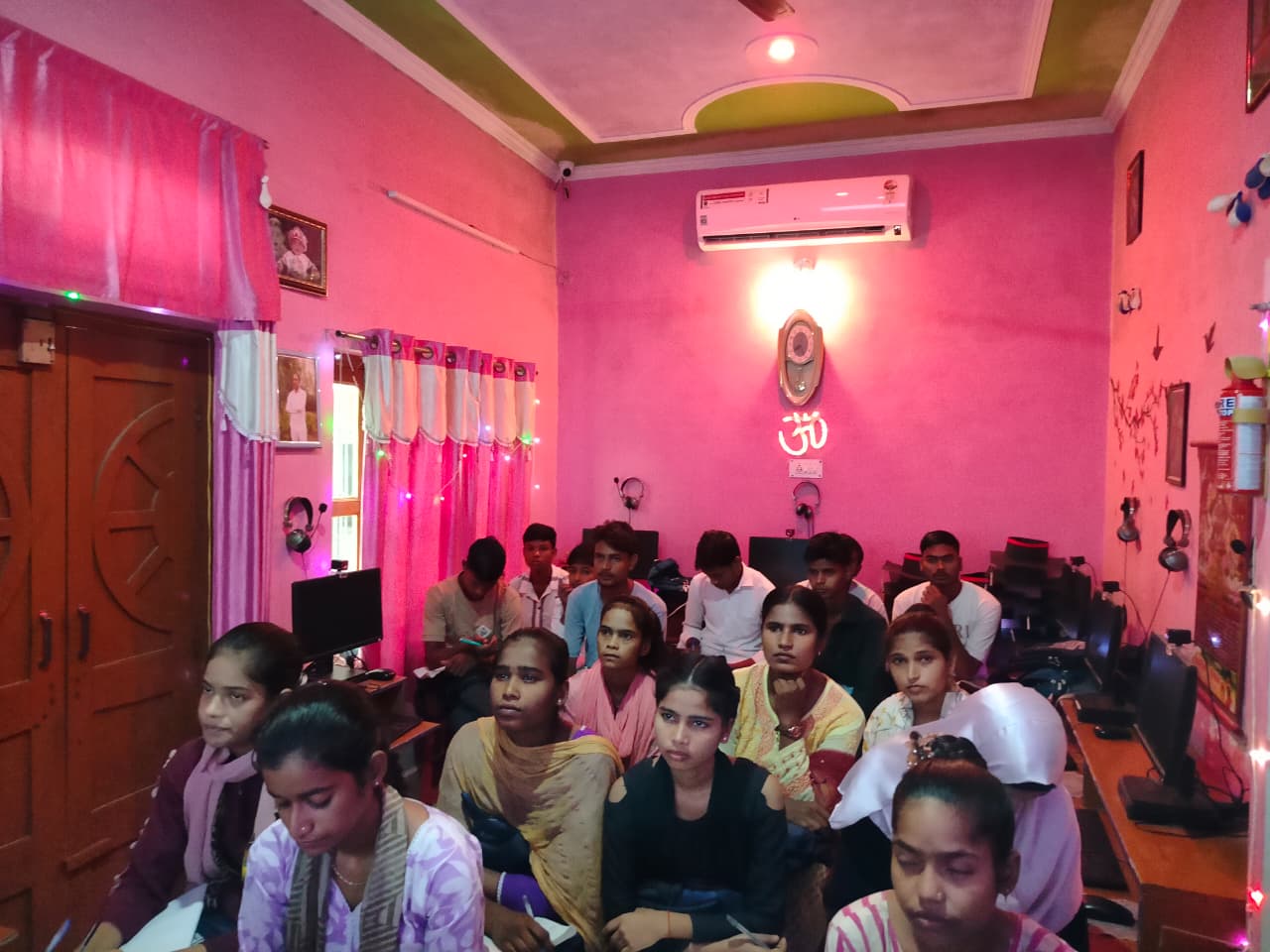
You don’t need a classroom to teach. Here are practical ways to use this approach right now.
Teach your study group or friends. Pick a topic from your syllabus and explain it to a classmate. Don’t read from notes. Speak naturally. Let them interrupt with questions. This is one of the most effective active learning techniques.
Explain to your parents or siblings. They don’t need to understand everything. You do. When you can explain Newton’s laws to your mom or the water cycle to your younger brother, you’ve truly grasped it.
Create your own questions and answer them. After reading a chapter, close the book. Write questions you think will appear in exams. Then answer them without looking. This forces active recall.
Use the Feynman Technique. Write down a concept in simple language as if teaching a child. If you get stuck, that’s where your understanding breaks down. Go back to that part.
Record yourself explaining. Use your phone to record yourself teaching a topic. Play it back. You’ll hear where you hesitate, repeat yourself, or sound unsure. That’s your brain telling you where to study more.
Concept Clarity Through Discussion and Debate
Concept clarity doesn’t come from one person talking. It comes from conversation. When you discuss with others, you hear different explanations. You challenge ideas. You defend your understanding. This active learning process builds rock-solid clarity.
Join study groups where people actually discuss instead of just sitting together silently. Ask questions. Disagree respectfully. Explain your reasoning. This isn’t wasting time. This is building the understanding that shows up in your exam scores.
Many students in India study alone for hours but still feel confused. They blame themselves. But maybe they need to talk, discuss, explain, and debate. Your brain learns through interaction, not isolation.
Create a Study Environment That Supports Deep Learning

Your study space matters. A distraction-free computer helps you focus on actual learning instead of fighting notifications. The Apna PC comes pre-loaded with Apni Prerna, which helps you monitor your study progress without distractions.
With 8GB RAM and 128GB SSD, Apna PC runs smoothly while you use LibreOffice to create study notes, use Scratch to code and learn programming concepts actively, or watch educational videos. At Rs.30,000 (shipping and GST excluded), it’s designed specifically for Indian students like you.
If you’re a student in a new city or moving schools, check out our migrant family guide on how Apna PC helps you settle into your new study routine quickly.
Active Learning Works for Every Subject
Whether you’re studying mathematics, science, languages, or social studies, this approach applies. In math, teach someone how to solve a problem step by step. In science, explain experiments and their results. In languages, teach vocabulary through stories and conversations. In history, explain events and their causes to others.
This isn’t about being the best student in class. It’s about understanding deeply enough to explain clearly. That depth is what gets you marks.
For more information on study methods that work for Indian students, visit the Indian Ministry of Education resources or read about teaching methods that support active learning.
Your Next Step
Don’t just read this and move on. Tonight, pick one topic from your current studies. Explain it to someone. Notice what you struggle to explain. That’s your growth area. Active learning isn’t a study hack. It’s how your brain actually works best.
Visit apnapc.com to learn more.