

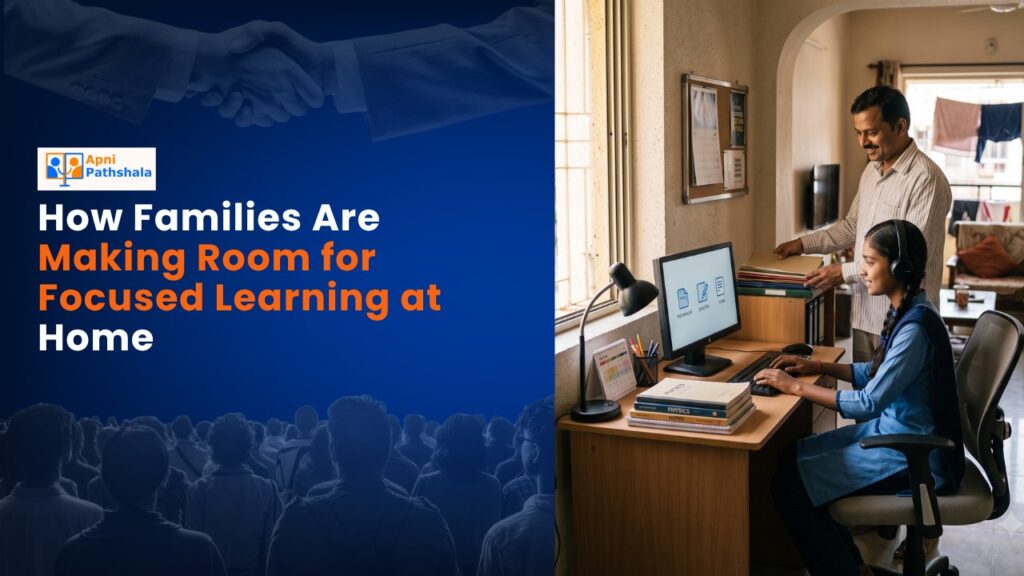
Meera’s Kitchen Table Became a Classroom
Meera sat at her kitchen table in Indore, watching her two kids fight over the single laptop they shared. Her son needed it for his online classes, her daughter for homework submissions. Her husband worked from the bedroom. There was no study space, no home learning setup, just chaos. She realised that day that something had to change. Families across Tier 2 and Tier 3 cities face this exact problem every single day.
Home learning isn’t just about having a computer. It’s about creating an environment where your children can focus, learn without distractions, and develop real independence. Without the right setup, education suffers. Your kids get frustrated, you get stressed, and nothing gets done properly.
Why Your Home Needs a Dedicated Learning Space
Your child’s brain works differently when they sit at a proper desk versus sprawling on the floor with a tablet. A dedicated study space signals to their mind that it’s time to focus. It separates learning from play, studies from entertainment. This boundary matters more than you think.
When you create a home learning environment, you’re not just organising furniture. You’re building habits. Your child learns that certain spaces mean concentration. They learn that education happens here, not in front of the TV. Over time, this becomes automatic.
The challenge for families like yours is that space is expensive. You might not have an extra room. Your apartment might be small. But you don’t need much. You need:
- A small desk or sturdy table
- A comfortable chair that supports posture
- A reliable computer or device
- Good lighting
- Minimal distractions nearby
That’s it. You can build this in a corner of your living room, in a bedroom alcove, or even part of the kitchen. The size doesn’t matter. The intention does.
The Computer That Fits Your Budget and Your Values
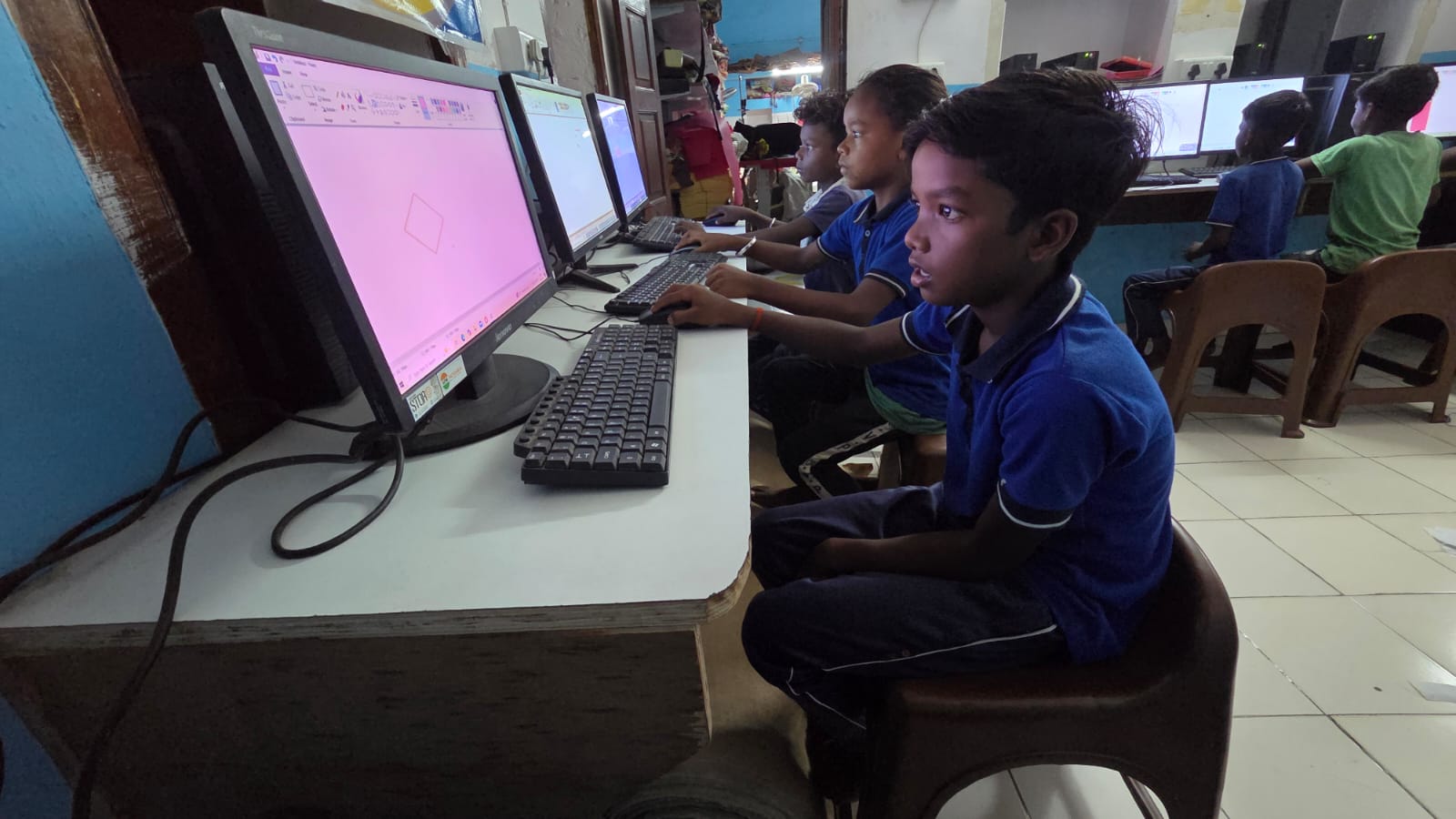
Here’s where most families get stuck. Quality computers cost a lot. You might spend 50,000 rupees or more for something that your child needs for school. That’s not realistic for many households in Tier 2 and Tier 3 cities.
Apna PC changes this equation. At just Rs.30,000 (before shipping and GST), it’s built specifically for students like yours. It’s not a gaming machine. It’s not overpowered or unnecessary. It’s exactly what your child needs for school, assignments, research, and creative learning.
The machine comes pre-loaded with everything important. Zorin OS is clean and fast, without the bloatware that slows down regular computers. LibreOffice handles all your document, spreadsheet, and presentation needs. Scratch teaches coding through visual blocks, which builds problem-solving skills. And Apni Prerna, the student monitoring system, lets you see what your child is doing without being invasive.
8GB RAM and 128GB SSD mean your child won’t wait for things to load. Programs open instantly. Multiple tabs don’t cause freezing. Your child stays focused instead of getting frustrated with a slow machine.
Building Independence Through the Right Tools
When you give your child a dedicated computer in a dedicated space, something shifts. They stop asking you to search for answers on your phone. They stop interrupting your work to find information. They start solving problems themselves.
This is independence through study tools. Your child learns to navigate the computer, open applications, save files, and organise their work. These aren’t just tech skills. They’re life skills. They’re confidence.
You can learn more about building this kind of independence in our guide on independence through study tools. It covers practical strategies for letting your child learn while you stay involved without hovering.
Creating Your Distraction-Free Study Space
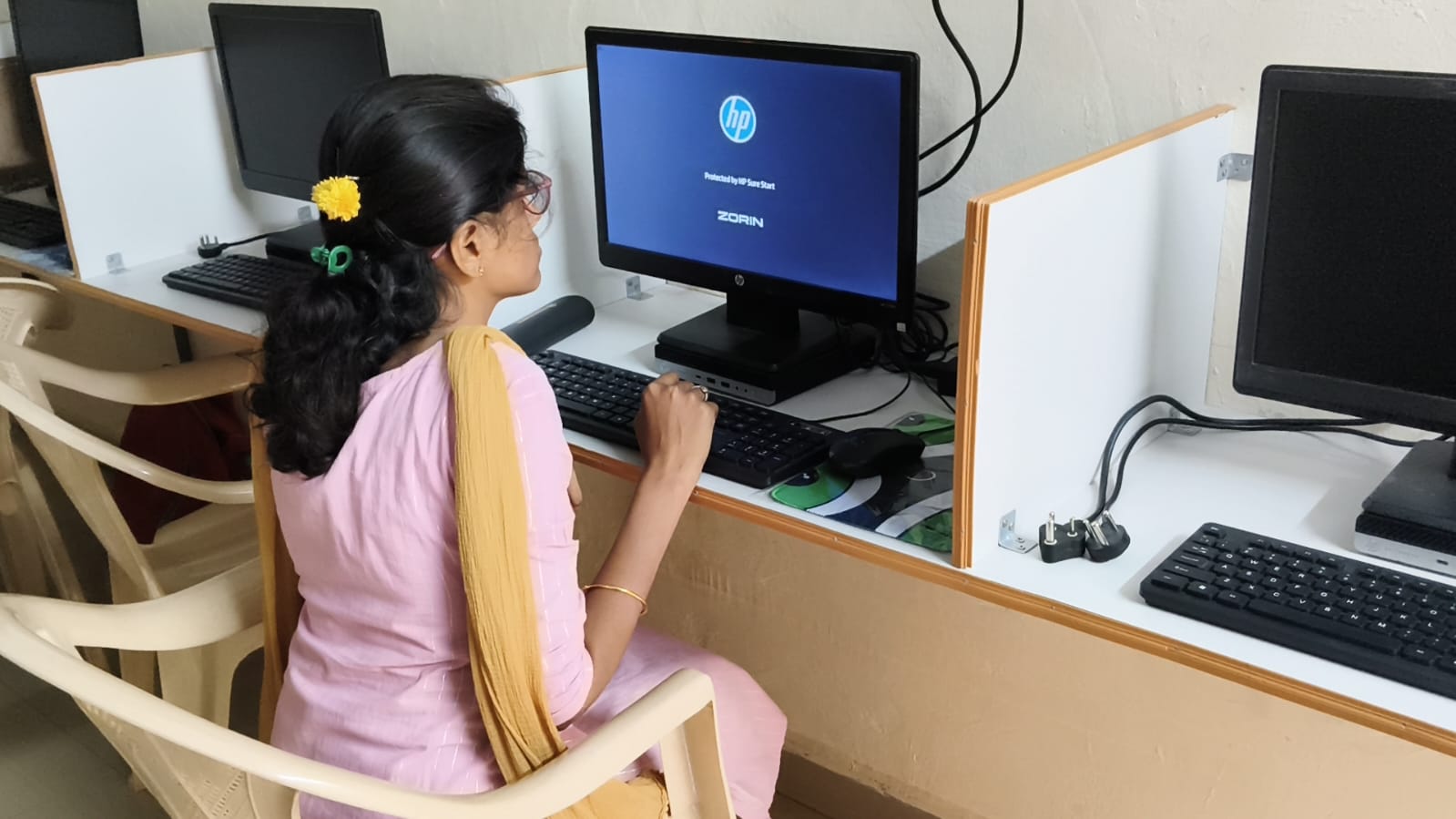
The computer is one part. The space is another. Your child needs an environment where they can actually concentrate. This means no TV playing in the background. No younger siblings running around. No constant phone notifications.
You don’t need a soundproof room. You need boundaries. Tell your family that between 4 PM and 6 PM, the study corner is sacred. No interruptions unless it’s an emergency. Your child studies. You don’t disturb them. That’s the rule.
Lighting matters too. Natural light is best, but a simple desk lamp works. Your child’s eyes shouldn’t strain. The screen shouldn’t create glare. These small things prevent headaches and keep focus sharp.
For detailed tips on setting this up, check our article on distraction-free study space. It walks you through room arrangement, lighting, and noise management.
What Home Learning Really Means
Learning at home isn’t just about online classes anymore. It’s about research, projects, coding, presentations, and creative work. Your child needs tools that support all of this. They need platforms like the DIKSHA digital learning platform to access quality educational content. And they need a computer that doesn’t let them down.
Meera made her decision two months ago. She bought a small desk, positioned it by the window in her living room, and set up an Apna PC there. Her son uses it for classes and coding projects. Her daughter uses it for research and assignments. Her husband isn’t bothered. Everyone has space to focus.
Your family can have this too. It doesn’t require a big house or a big budget. It requires intention, a small investment, and the commitment to create a better learning environment at home.
Your child’s education deserves a proper space and proper tools. Visit apnapc.com to learn more.