


Rajesh’s Morning: When Consistent Studying Finally Clicked
Rajesh sat at his small desk in Indore, staring at his Class 9 math textbook for the third time that week. His mother, Priya, had asked him the same question every evening: “Beta, did you study today?” He’d nod, but nothing was sticking. The problem wasn’t laziness. Rajesh wanted to do well. What he didn’t have was consistent studying, a real routine that actually worked day after day.
Then something changed. His parents bought him an Apna PC, and suddenly Rajesh had a dedicated space, a proper computer, and tools that kept him on track. Within two weeks, his mother noticed he was sitting at his desk at the same time every day. By the fourth week, his math scores jumped. What happened wasn’t magic. It was consistency.
What Does Consistent Studying Actually Look Like?
Consistent studying isn’t about studying for eight hours on Sunday and then nothing all week. It’s not about cramming the night before your exam. Real consistent studying means showing up to your books and learning materials at roughly the same time each day, even when you don’t feel like it.
Think of it like brushing your teeth. You don’t brush for 30 minutes on Monday and skip Tuesday through Friday. You brush a little bit every single day. Your brain works the same way when it comes to learning. Small, regular doses of effort beat massive, irregular bursts every single time.
Here’s what consistent studying looks like in real homes across India:
- 6:30 AM start time, every day. Your child wakes up, has breakfast, and sits down to study before distractions pile up. No exceptions on weekends.
- Same study spot. It’s the corner desk, the kitchen table, or the bedroom. The same place trains your brain to switch into “learning mode” when you sit there.
- Phone in another room. Not on silent. Not face-down. In the other room. During your focused study hour, your phone doesn’t exist.
- Subjects rotate, but timing stays fixed. Monday is math, Tuesday is science, Wednesday is history. But the clock says 6:30 to 7:45 AM, every single day.
- Small breaks, not long ones. Five minutes between subjects. Ten minutes after an hour. Not thirty-minute YouTube breaks that turn into two hours.
- A notebook that tracks what you studied. Not for your parents. For you. So you can see your own pattern.
Why Your Study Routine Matters More Than You Think

Your study routine isn’t just about finishing homework. It’s about building a habit so strong that studying feels normal, not painful. When you study at the same time every day, your brain actually starts preparing for it. You get hungry for learning, not forced into it.
Students in Tier 2 and Tier 3 cities often face unique challenges. Your internet might be slow. Your home might be crowded. You might share a room with siblings. But consistent studying works even in these situations because it’s about discipline and environment, not fancy setups.
Parents across India have noticed this shift. When their child studies consistently for three weeks, the results show. Not just in marks. In confidence. In how the child talks about their subjects. In how they handle tough questions without panicking.
The Tools That Make Consistency Easier
Here’s the truth: consistency is hard without the right tools. If your child is studying on a phone, or on a parent’s old laptop that takes five minutes to start, consistency dies fast. Frustration kills routine.
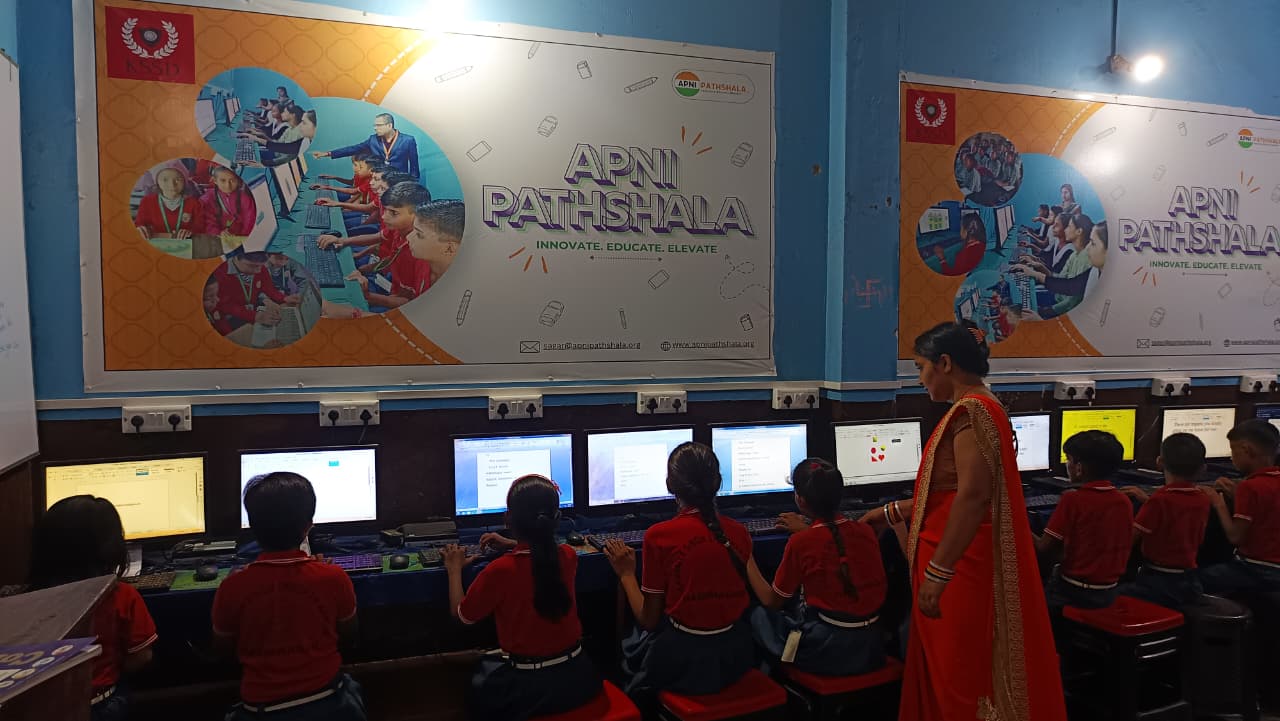
This is why having a dedicated educational computer changes everything. The Apna PC comes pre-loaded with Zorin OS, a clean operating system with no distractions. It has LibreOffice for writing and calculations. It has Scratch for learning coding. Most importantly, it has Apni Prerna, a tool that helps you track what you’re studying and when.
When your child sits at their own computer, at their own desk, with their own study space, consistency becomes easier. The computer isn’t for games or social media. It’s for learning. Your brain knows the difference.
Building Your Family’s Consistent Studying Plan
Start small. Don’t aim for three hours of daily study on Day 1. Aim for 45 minutes. For the first week, focus on showing up at the same time. That’s it. Don’t worry about how much gets done.
In Week 2, add a second subject. In Week 3, increase to an hour. By Week 4, your child’s brain has accepted this new routine as normal. The hard part is already over.
Track it on a calendar. Put a checkmark for every day your child studies at the scheduled time. After two weeks of checkmarks, your child will want to keep the streak going. That’s consistency working for you.
Talk to your child about why you’re doing this. Not as punishment. As an investment in their future. Students across education in India are competing harder than ever. The ones who stand out aren’t always the smartest. They’re the most consistent.
The Ministry of Education pushes digital learning for this exact reason. Tools and routine together create real learning outcomes.
What Happens After Three Months of Consistent Studying
Three months of consistent studying doesn’t just improve grades. It builds confidence. Your child stops asking “Can I do this?” and starts asking “How do I do this better?” That shift is everything.
You’ll notice your child organising their notes without being asked, asking smarter questions in class, and wanting to learn more because they’ve tasted what understanding actually feels like. That’s the power of consistency.
Rajesh’s mother told us this last month: “He used to study like he was running away from something. Now he studies like he’s running toward something.” That’s consistent studying. That’s what it looks like when routine becomes real.
Consistent studying changes everything when you actually stick with it. Start today with a fixed time, a fixed place, and the right tools. The Apna PC is built exactly for this journey, with everything your child needs to build a learning habit that lasts. Visit apnapc.com to learn more.