

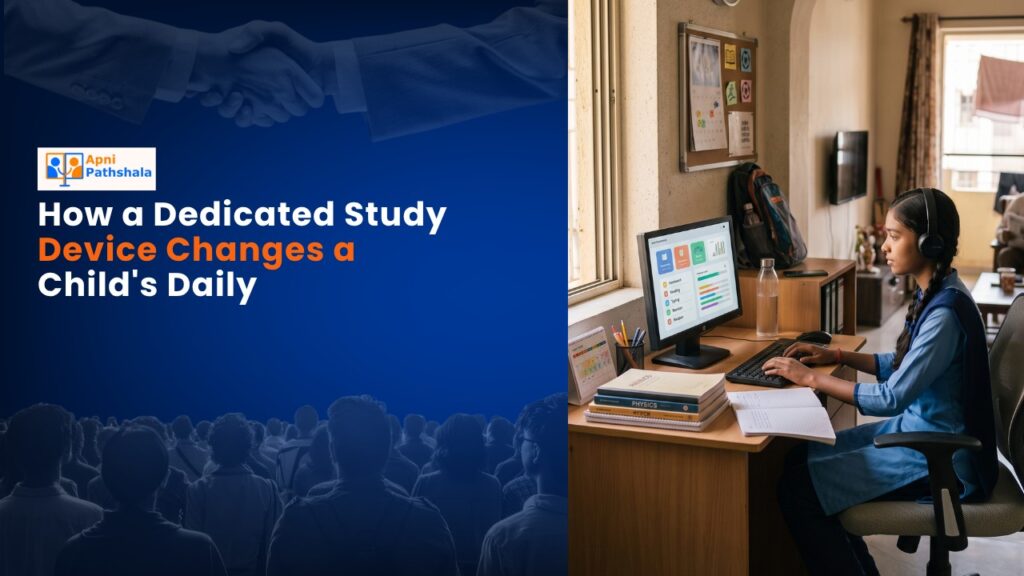
Why a Dedicated Study Device Became Rajesh’s Game-Changer
Rajesh sat in his small living room in Indore, watching his 12-year-old son Arjun sprawled on the bed with a smartphone in one hand and a textbook in the other. The boy’s eyes kept drifting to YouTube videos about cricket while his math homework lay untouched. This wasn’t laziness. Arjun genuinely wanted to study, but the phone kept calling him back. Rajesh didn’t know it then, but his family needed more than discipline. They needed a dedicated study device that would help Arjun focus without the constant pull of social media and games.
Many parents in tier-2 and tier-3 Indian cities face this exact problem. Your child has access to learning resources, but also access to endless distractions. The right learning tool changes this equation completely. It’s not just about having a computer at home. It’s about having the right setup designed specifically for focused work, which is what makes all the difference in your child’s daily routine and academic performance.
What Makes a Study Device Different from a Regular Computer
When you think about a student computer versus a regular laptop or desktop, the differences run deeper than you might realize. A well-designed learning tool comes with software and settings built specifically for studying, not entertainment. Your child won’t find gaming platforms, unnecessary apps, or social media shortcuts eating away study time.
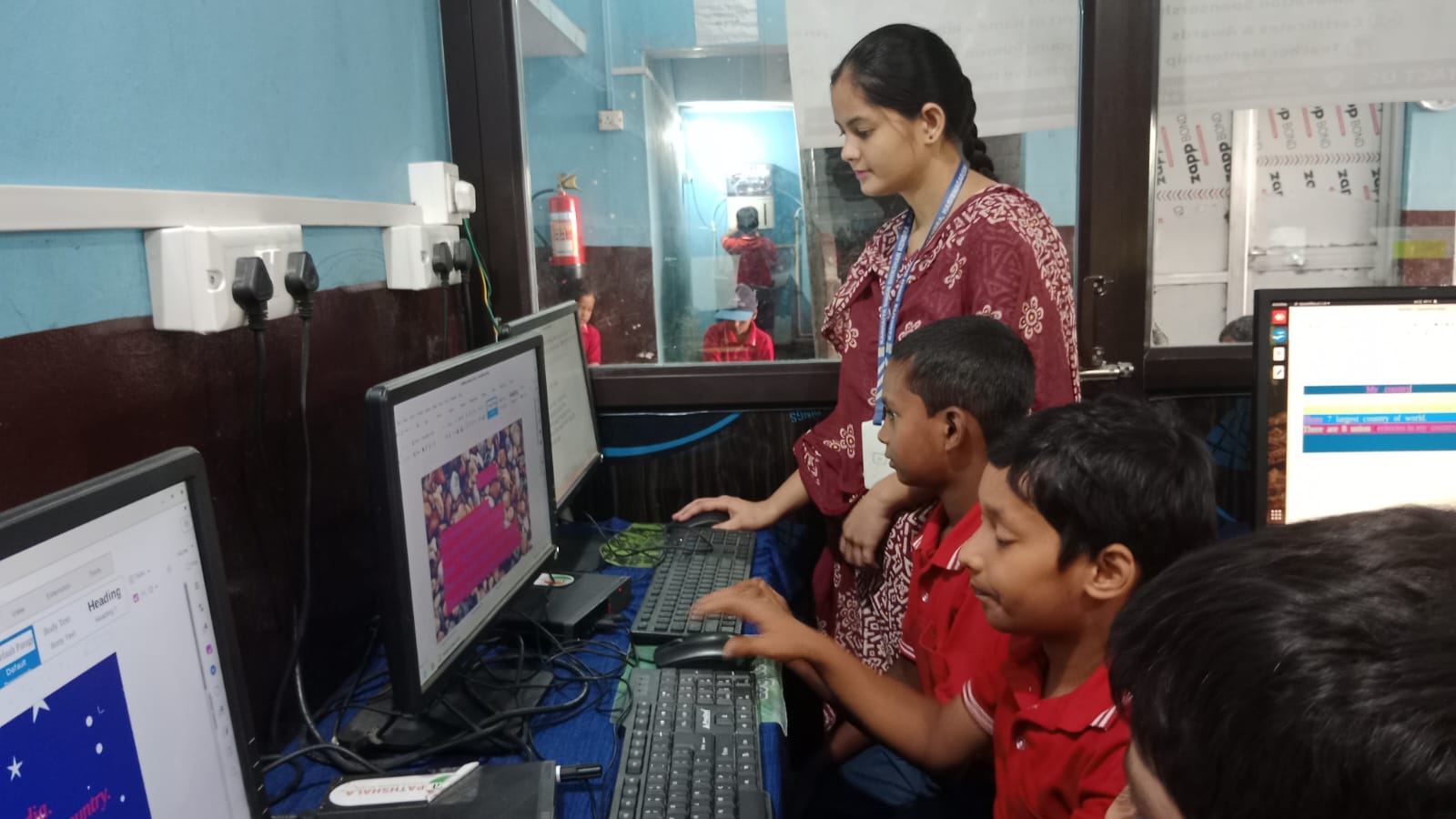
The Apna PC is exactly this kind of dedicated device. It runs Zorin OS, a clean operating system without bloatware. It comes pre-loaded with Apni Prerna, a student monitoring system that helps you understand your child’s study patterns without being intrusive. LibreOffice is built in for document work. Scratch is ready for coding basics. With 8GB RAM and 128GB SSD, everything runs smoothly without lag that frustrates young learners.
Arjun’s parents discovered that a dedicated learning machine removed the friction between intention and action. When he sat down to study, the device was ready to help him learn, not tempt him away.
How Your Child’s Learning Habits Transform
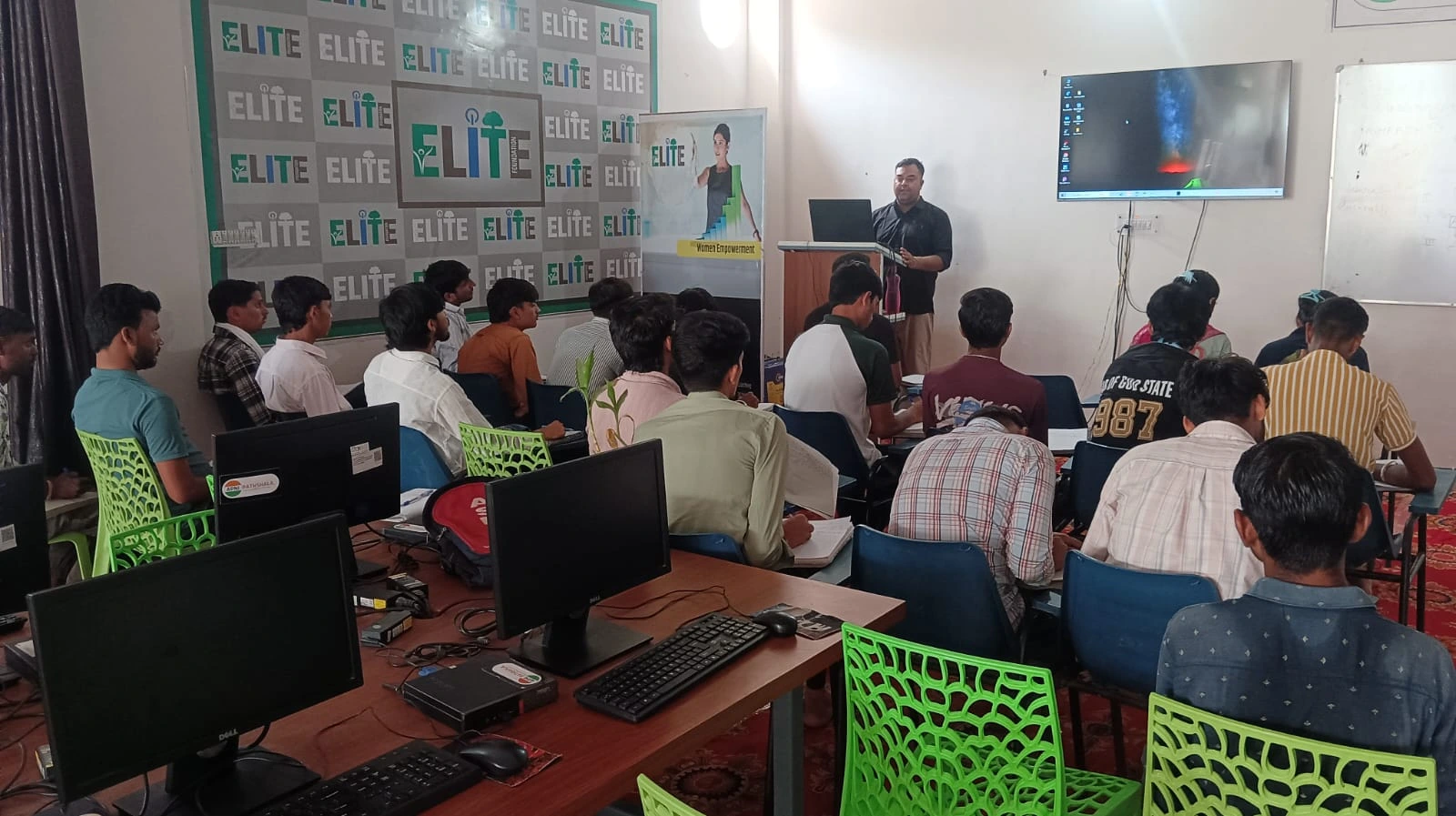
The first change you’ll notice is consistency. When your child has a device meant only for studying, they naturally build better routines. There’s no context-switching between homework and entertainment. This consistency matters more than you’d think for learning.
Here’s what happens in practice:
- Morning sessions become predictable. Your child knows what tool they’ll use and what they can do with it—no time wasted deciding between apps.
- Focus deepens over weeks. Without constant notifications and distractions, attention span grows. Tasks that took 90 minutes now take 45.
- Homework completion rates jump. Projects get finished on time because there’s a proper workspace and the right tools available.
- Digital literacy improves naturally. Your child learns coding basics through Scratch, document creation through LibreOffice, and research skills through focused internet browsing.
Arjun’s parents saw these changes within three weeks of setting up his learning corner at home. He started doing his math homework without reminders. He even asked to learn coding.
The Role of Parental Insight and Monitoring
You might worry that giving your child a computer means losing visibility into what they’re doing. That’s where Apni Prerna changes things. This built-in monitoring system shows you how your child spends study time without creating a sense of surveillance. You can see which subjects they’re working on, how long they focus, and where they might need help.
This isn’t about spying. It’s about understanding. When you know your child spent two focused hours on math problems today, you can encourage them. When you see they’re stuck on a concept, you can step in with help or tutoring. That data-driven approach to parenting actually builds trust, not damages it.
Rajesh used Apni Prerna to understand that Arjun was struggling with geometry. That insight led to a tutor recommendation, which solved the problem. Without this monitoring, he would’ve only noticed through poor test scores.
Building the Right Study Environment
A study device works best when it’s part of a thoughtful setup. You don’t need an expensive desk or fancy chair. What you need is a dedicated corner for studying, a well-designed study computer that’s ready to go, and a family agreement about study time.
Think about what a focused study hour looks like. Your child sits down with the device. The phone is in another room. A water bottle is nearby. The machine opens to the subject they need to work on. No hunting for files. No waiting for apps to load. Just pure learning time.
The Apna PC at Rs. 30,000 (excluding shipping and GST) is designed to fit Indian middle-class homes and budgets. It’s not the cheapest option, but it’s built specifically for this purpose, which makes it worth every rupee compared to a generic computer that’ll become another distraction machine.
Real Results in Real Time
Three months into using a dedicated learning device, Rajesh noticed something he didn’t expect. Arjun started asking questions about things beyond his CBSE curriculum syllabus. He was curious. Learning shifted from forced homework completion to genuine interest.
Your child will experience similar shifts. Better grades are one outcome. But the real win is when they stop resisting study time and start owning their learning.
If you’re a parent in a tier-2 or tier-3 city looking to give your child a real advantage, a dedicated study device isn’t a luxury. It’s a practical tool that removes obstacles between your child and their potential. Visit apnapc.com to learn more.