


Consistent studying means your child shows up at the same time each day, works on a specific subject, and builds a streak rather than cramming. The routine matters more than the duration: even 45 focused minutes daily builds stronger learning than three hours on Sunday alone.
Many students sit at their desks for hours but make little progress because they lack a real routine. The problem is not laziness or lack of effort. What is missing is a consistent structure that tells the brain: this time and this place are for learning, every single day.
What Does Consistent Studying Actually Look Like?
Consistent studying is not about studying for eight hours on Sunday and nothing all week. It is not about cramming the night before your exam. Real consistent studying means showing up to your books and learning materials at roughly the same time each day, even when you do not feel like it.
Think of it like brushing your teeth. You do not brush for 30 minutes on Monday and skip Tuesday through Friday. You brush a little bit every single day. Your brain works the same way when it comes to learning. Small, regular doses of effort beat massive, irregular bursts every single time.
Here is what consistent studying looks like in real homes across India:
- Fixed start time, every day. Your child wakes up, has breakfast, and sits down to study before distractions pile up. No exceptions on weekends.
- Same study spot. The same corner desk or kitchen table trains your brain to switch into “learning mode” when you sit there.
- Phone in another room. Not on silent. Not face-down. In the other room. During your focused study hour, the phone does not exist.
- Subjects rotate, but timing stays fixed. Monday is math, Tuesday is science, Wednesday is history. The clock says the same time slot, every single day.
- Small breaks, not long ones. Five minutes between subjects. Ten minutes after an hour. Not thirty-minute breaks that turn into two hours.
- A notebook that tracks what you studied. Not for parents. For the student. So they can see their own pattern and build on it.
Why Your Study Routine Matters More Than You Think

Your study routine is about more than finishing homework. It is about building a habit so strong that studying feels normal, not painful. When you study at the same time every day, your brain actually starts preparing for it. You feel ready to learn, not forced into it.
Students in tier 2 and tier 3 cities often face unique challenges. Your internet might be slow. Your home might be crowded. You might share a room with siblings. But consistent studying works even in these situations because it is about discipline and environment, not fancy setups.
When a child studies consistently for three weeks, the results show. Not just in marks. In confidence. In how the child talks about their subjects. In how they handle tough questions without panicking.
The Tools That Make Consistency Easier
Consistency is hard without the right tools. If your child is studying on a phone, or on an old laptop that takes five minutes to start, consistency dies fast. Frustration kills routine.
This is why having a dedicated educational computer changes everything. The Apna PC comes pre-loaded with Zorin OS, a clean operating system with no distractions. It has LibreOffice for writing and calculations. It has Scratch for learning coding. Most importantly, it has Apni Prerna, a tool that helps you track what you are studying and when.
When your child sits at their own computer, at their own desk, with their own study space, consistency becomes easier. The computer is for learning. Your brain knows the difference.
Building a Consistent Studying Plan Step by Step
Start small. Do not aim for three hours of daily study on day one. Aim for 45 minutes. For the first week, focus on showing up at the same time. That is all. Do not worry about how much gets done.
In week two, add a second subject. In week three, increase to an hour. By week four, your child’s brain has accepted this new routine as normal. The hard part is already over.
Track it on a calendar. Put a checkmark for every day your child studies at the scheduled time. After two weeks of checkmarks, your child will want to keep the streak going. That is consistency working for you.
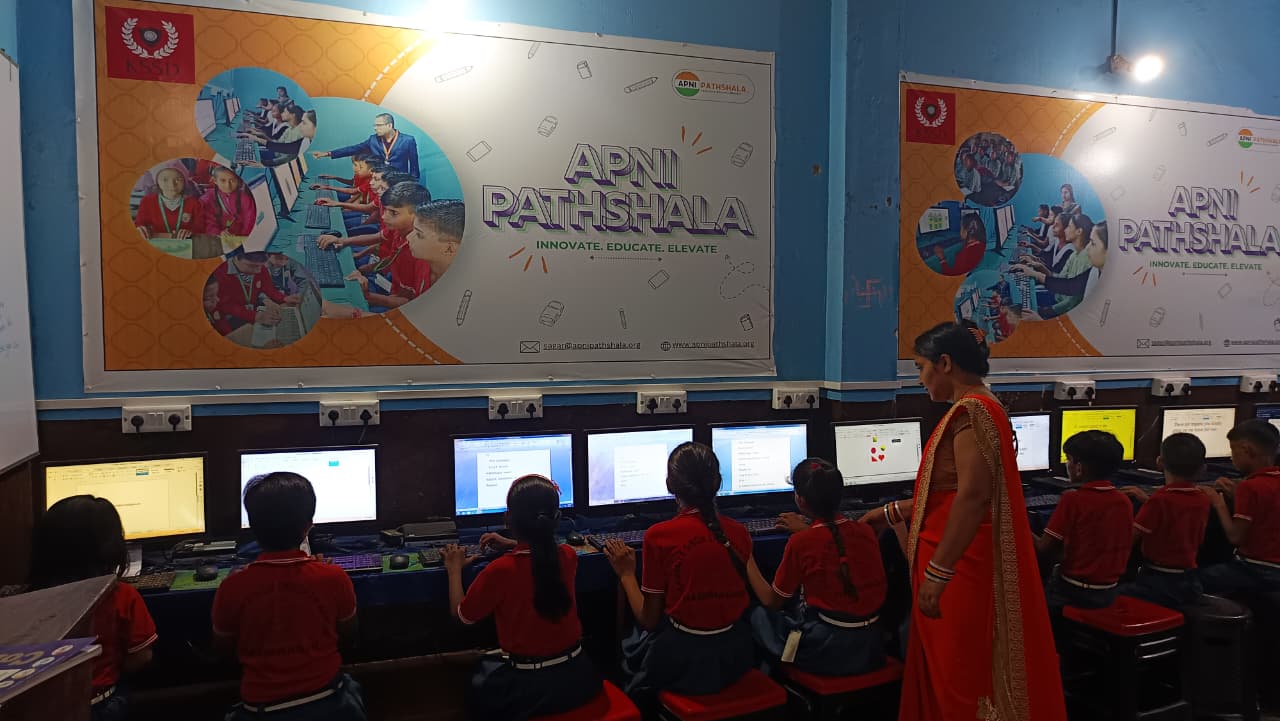
Talk to your child about why you are setting up this routine. Not as punishment, but as an investment in their future. Students compete harder than ever. The ones who stand out are not always the most talented. They are the most consistent. See how Apna PC fits into a daily study routine and what that actually looks like across a school day.
What Happens After Three Months of Consistent Studying
Three months of consistent studying does not just improve grades. It builds confidence. Your child stops asking “Can I do this?” and starts asking “How do I do this better?” That shift matters more than any single test score.
You will notice your child organising their notes without being asked, asking smarter questions in class, and wanting to learn more because they have tasted what real understanding feels like. That is what consistent studying looks like when routine becomes real.
Consistent studying changes everything when you actually stick with it. Start today with a fixed time, a fixed place, and the right tools. The Apna PC is built for this, with everything your child needs to build a learning habit that lasts. Visit apnapc.com to learn more.
Frequently Asked Questions
How long should consistent daily studying be to see results?
Starting with 45 minutes of focused daily study is enough to build the habit. The goal in the first few weeks is consistency, not duration. Once the routine feels natural, you can extend to an hour or longer. A short, reliable session every day produces better results than long, irregular sessions that leave gaps in the routine.
What is the best time of day for a student to study consistently?
The best time is whatever your family can protect reliably. Early morning before distractions pile up works well for many students. The fixed start time matters more than which hour you choose. Once your child studies at the same time each day for two to three weeks, their brain starts preparing for learning automatically at that hour.
How do you stop a consistent study routine from breaking down?
Keep the daily target small enough that missing feels wrong. Use a calendar with checkmarks so your child can see their streak. When a session does get missed, return the next day without trying to make up for lost time with an extra-long session. Maintaining the daily habit matters more than any single day’s volume of study.
Apna PC includes Apni Prerna, which tracks study time and helps your family build a consistent routine that you can actually see. Visit apnapc.com to learn more.