


Rahul stared at his physics textbook for twenty minutes without reading a single line. It was 8 PM, and he’d already spent the entire day in college lectures, commuting on crowded buses, and helping his younger sister with homework. His eyes felt heavy, his mind felt foggy, and the JEE exam was just three months away. He knew he needed to study, but his energy tank was empty. Sound familiar?
You’re not alone. Thousands of Indian students face this exact situation every single day. The pressure to excel, the long hours, the constant mental load- it all drains your study motivation faster than you’d expect. But here’s the thing: you don’t need to feel energised to start studying. You need the right strategy to kickstart your session, even when your energy is running on fumes.
Why Your Energy Crashes Before Study Time
Your body and mind follow natural energy cycles throughout the day. After school, college, or work, your glucose levels drop, your dopamine decreases, and your willpower reserves get depleted. This is called decision fatigue, and it’s completely normal. When you’re low on energy, your brain resists anything that requires effort, including studying.
The mistake most students make is waiting for motivation to strike before they open their books. That’s backwards. Real study motivation comes after you start, not before. Once you begin, your brain releases focus-enhancing chemicals that actually make studying easier.
Start With Your Environment, Not Your Books
Before you touch a single textbook, fix your study space. Open your windows for fresh air. Turn off your phone’s notifications. Clear your desk of distractions. This takes just five minutes, but it’s crucial. A clean, organised environment signals to your brain that it’s time for serious work.
Here’s a specific tip: change your location if possible. If you’ve been studying at your desk all week, move to your balcony, the kitchen table, or your school library. A new environment tricks your mind into feeling fresh, even when your body is tired. It’s a simple psychology hack that works surprisingly well.
Consider using a dedicated study device like the Apna PC. This educational computer comes pre-loaded with Apni Prerna, a student monitoring tool that helps you track your progress and stay accountable. With 8GB RAM and 128GB SSD, it runs smoothly without lag, so you’re not fighting with your technology when your energy is already low. Zorin OS and LibreOffice make it perfect for research, writing assignments, and accessing educational resources. At Rs.30,000 (shipping and GST excluded), it’s an investment in removing technical distractions from your study routine.
The Five-Minute Rule for Study Motivation
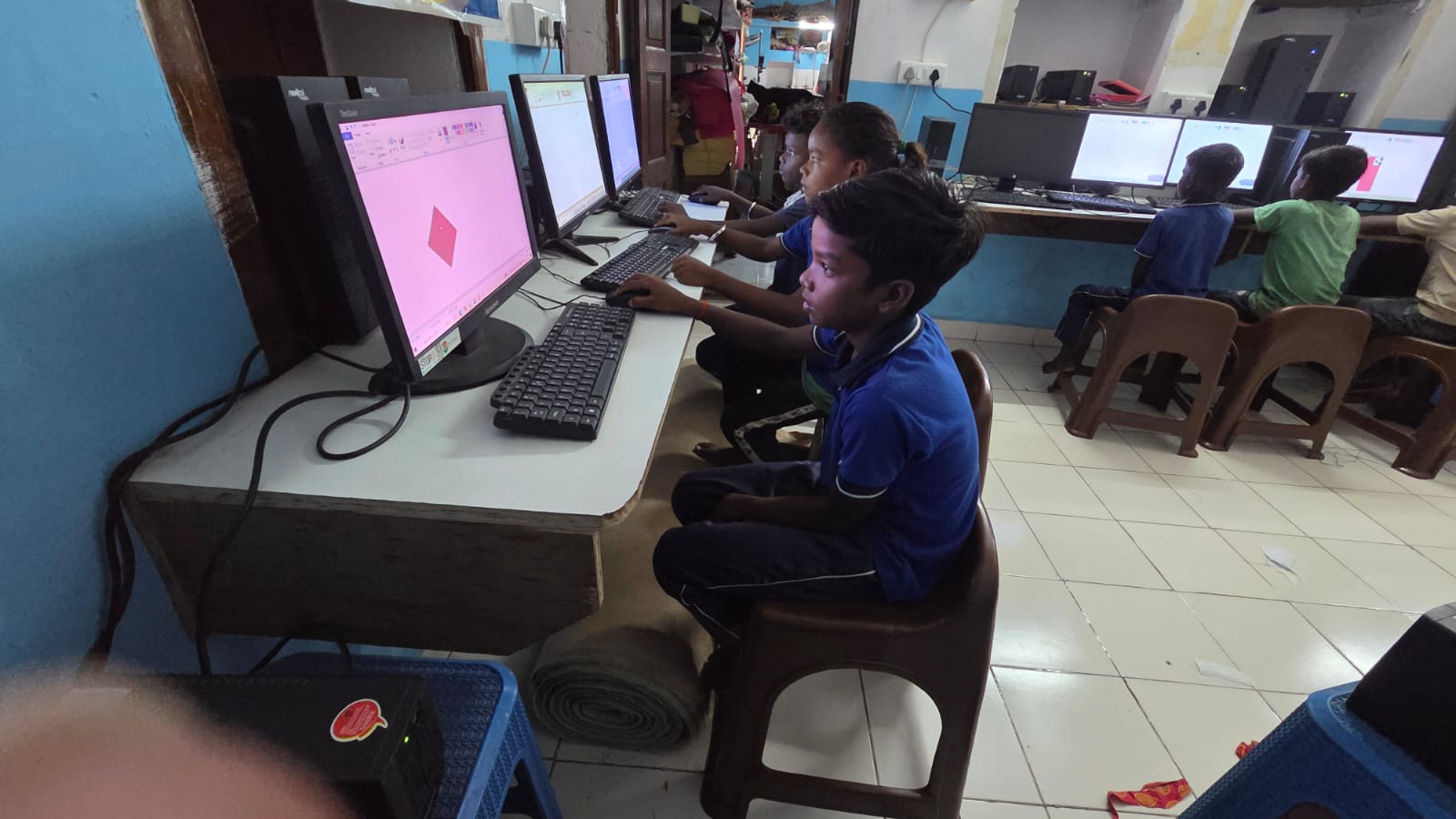
Commit to just five minutes. Not an hour. Not even thirty minutes. Just five minutes of actual studying. Set a timer on your phone. During these five minutes, you’re only allowed to read or solve one problem. Nothing else.
This works because five minutes feels manageable, even when you’re exhausted. Your brain won’t resist as much. And here’s what happens: once you start, you’ll usually keep going. The initial resistance is the hardest part. After five minutes, your brain shifts into work mode, and continuing feels natural. Most students find themselves studying for thirty or forty minutes without even noticing.
This is the real secret to study motivation when you’re low on energy. You’re not trying to feel motivated. You’re trying to start. Motivation follows action, not the other way around.
Use the Right Focus Tips to Keep Going
Once you’ve started, use these focus tips to maintain momentum. First, eliminate multitasking. Don’t have YouTube open in another tab. Don’t check Instagram between problems. Your tired brain can’t handle context switching.
Second, use the Pomodoro Technique: study for 25 minutes, then take a five-minute break. During breaks, actually rest. Don’t scroll social media. Drink water, stretch, or step outside. This rhythm prevents your energy from crashing mid-session.
Third, study the hardest subject first when your energy is highest, even if it’s just slightly higher. Save easier review for later when your energy naturally dips. You can read more about effective learning process strategies to understand why this works.
Build a Learning Routine That Respects Your Energy
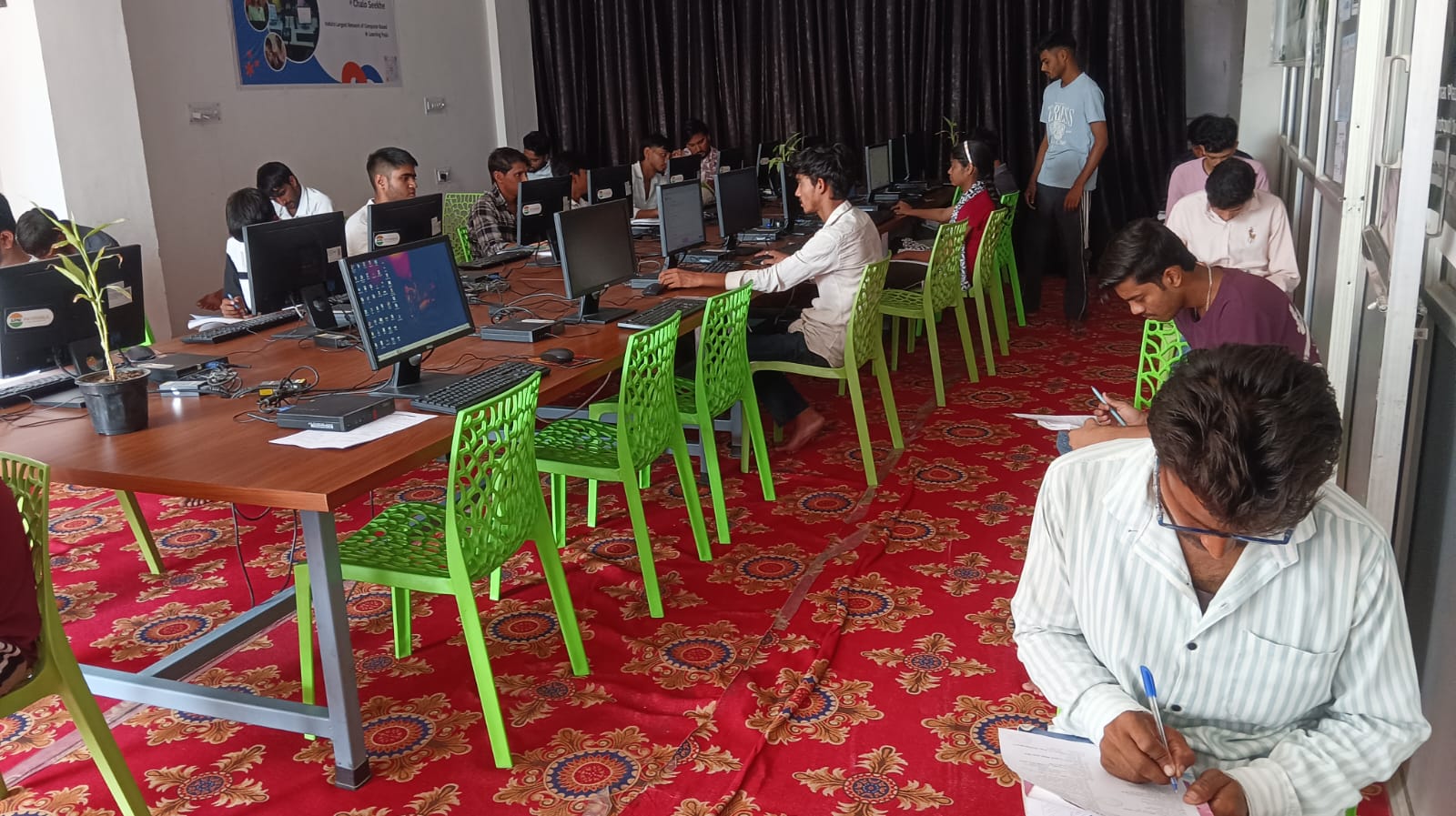
Your learning routine should match your natural energy patterns, not fight against them. If you’re a morning person, study complex topics then. If you’re a night owl, schedule your toughest subjects for the evening. Stop forcing yourself into someone else’s schedule.
Track when you actually have energy. Keep a simple log for one week. Note the time of day, what you studied, and how focused you felt. You’ll see patterns emerge. Use this data to build your personal learning routine around your real energy cycles.
Many students also find that studying with music helps maintain focus when energy is low. Instrumental music or lo-fi beats can provide just enough stimulation to keep your brain engaged without being distracting. Experiment to find what works for you.
Don’t forget that student productivity isn’t about studying more hours. It’s about studying smarter during the hours you’re actually able to focus. If you’re too tired to study, it’s better to take a proper break, eat something nutritious, or take a short nap than to force yourself through unproductive hours.
Practical Steps to Start Your Next Study Session
- Right now: Identify one study task you need to complete today. Make it specific (not “study math,” but “solve 10 quadratic equations”).
- Next: Clean your study space in five minutes, no more. Set a timer.
- Then: Set another timer for five minutes of actual studying. Just five.
- Finally: After five minutes, decide if you want to continue. You probably will.
You can also explore structured learning through platforms like the DIKSHA digital learning platform, which offers free educational content aligned with Indian curricula. Combining these resources with a focused study environment creates a powerful learning setup.
You don’t need to find study motivation. You create it by taking the first small step. Your energy will follow. Start your next study session today using these strategies, and you’ll be surprised how much you can accomplish even when you’re running on empty. Visit apnapc.com to learn more.