


When your child says they are too tired to study, first work out whether it is real physical tiredness or resistance to a task that feels boring or hard. A tired child needs a short rest and better timing. A resistant child needs smaller tasks, an easy start and a quieter study setup.
For example, a child who gets home in the afternoon, drops on the sofa and says “I am too tired” every evening may simply need a break before starting. Many parents hear this same sentence daily.
Why does study motivation disappear after a long school day?
Motivation drops because the fatigue is real. After six hours of school, travel in crowded buses or autos and the load of several subjects, the child is not lying. But homework does not wait, and exams do not care about tiredness.
Knowing whether your child is physically exhausted or mentally resisting changes how you respond. An exhausted child needs rest, not a lecture. A child who finds study boring or overwhelming needs a different kind of help.
When is the best time for a tired child to study?
The best time is often not straight after school. In many homes, the child comes home, eats a snack and is pushed to study at once. This works for some children, but for many it creates a daily battle, because the mind has just spent six hours taking in new information.
Children have different peak energy windows. The overview of students is general background, but you will learn most by watching your own child. If they are always too tired at 4 PM, try 6 PM after a proper break, or early morning before school. Read more on whether kids study better in the morning or at night.
A 20-minute power rest after school works well for many children. Not a full nap, which can disturb night sleep, but a quiet period lying down, listening to soft music or sitting without screens.
Which homework tips reduce fatigue?
Tiredness often comes from how a child studies, not how long. A child who sits with an open textbook for two hours but keeps getting distracted works much harder than one who studies for 45 focused minutes, because constant refocusing drains energy.
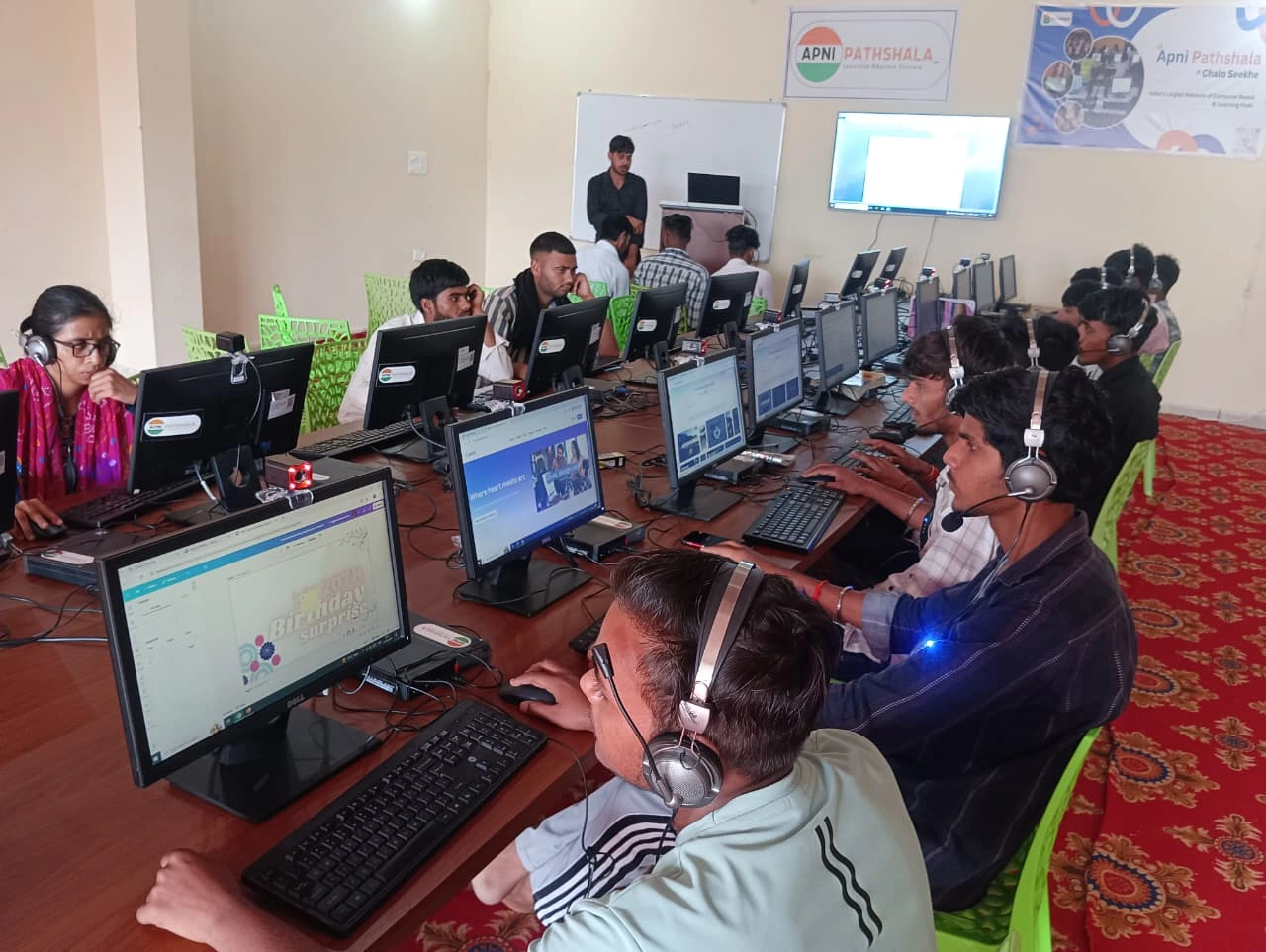
- Use short blocks: break homework into 25-minute blocks with 5-minute gaps. During breaks, the child stands, stretches, drinks water or looks out a window, with no screens. This is often called the Pomodoro method.
- Start with the easiest subject: finishing one subject quickly gives a small win, and that feeling of progress carries the child through harder work.
- Make tough subjects active: try retrieval practice methods so revision feels less draining.
What hidden causes of fatigue should parents check?
Sometimes “I am too tired” signals something else. The child may be struggling with a subject and embarrassed to admit it, dealing with peer pressure or bullying, anxious about a test or sleeping poorly because of screens before bed.
Check the basics first:
- Is your child sleeping 8 to 10 hours every night?
- Are they eating a proper lunch at school, or surviving on chips and biscuits?
- Are they drinking enough water through the day?
Small physical factors add up and show up as “I don’t want to study.” A child who skips breakfast or sleeps late because of phone use will struggle with evening study however motivated they are. The India Ministry of Education website is a useful place to follow national school guidance. See also why sleep matters more than an extra hour of study.
How does the study environment affect tiredness?
A noisy setup makes children tired even when they barely study. A TV in the background, a shared table with fighting siblings and a phone buzzing with notifications every two minutes are energy thieves, because each broken moment of focus takes effort to recover.
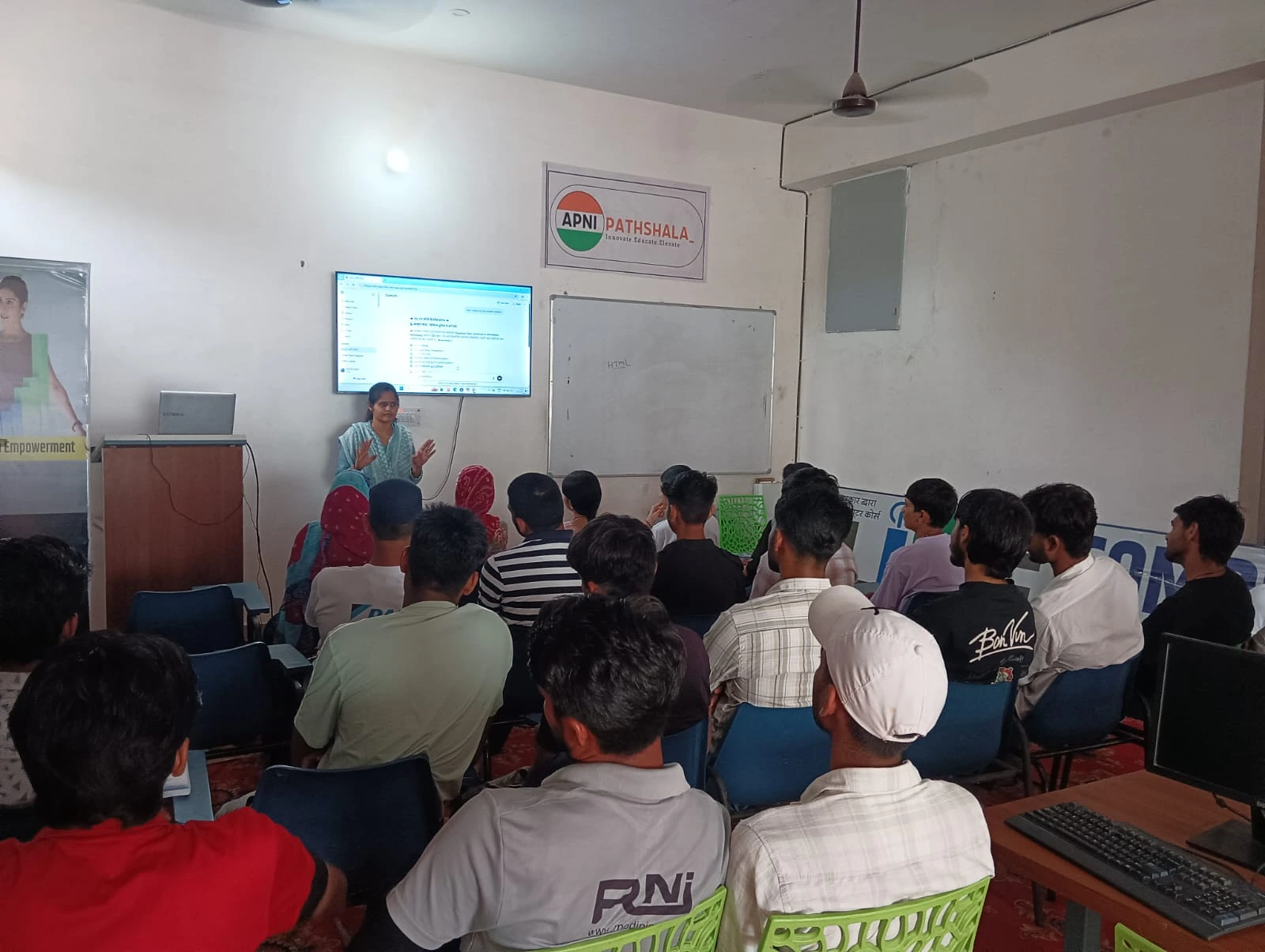
The fix is a better setup, not stricter discipline. Give your child a quiet corner with a table and chair and no phone, TV or conversation during study time. If space is tight, even a 45-minute window where the family keeps noise low can help.
A dedicated study computer like Apna PC makes this easier. It comes with Apni Prerna, a student monitoring tool that helps children stay on task without a parent standing over them, and no games or social media apps are pre-installed. At Rs.30,000 (shipping and GST excluded), it is built for focused learning at home.
How can you build study motivation that lasts?
Build a habit so your child does not need pushing every evening. This takes time, but it starts with small changes.
- Praise effort, not results: when your child starts without being asked, say something specific like “You started on your own today; that takes discipline.”
- Avoid comparisons: comparing with a neighbour’s child or the class topper kills motivation faster than tiredness.
- Keep a fixed routine: if study time is always at 6 PM, the mind starts preparing for it, and after a few weeks the habit does the heavy lifting.
Every child is different, so pay attention, adjust and keep the conversation open. When a child says they are too tired, they are telling you something, and your job is to find out what.
Frequently Asked Questions
Should I let my child skip homework when they are really exhausted?
Occasionally, yes, if the tiredness is genuine and rare. Let them rest, then agree on a short catch-up time the next morning or at the weekend. If exhaustion happens most days, look at sleep, food, school load and timing rather than simply allowing skipped work.
How can I tell if my child is tired or avoiding a subject?
Notice whether the tiredness appears only before certain subjects. If your child has energy for games but not for maths, it is likely resistance to that subject. Ask gently what feels hard, and offer to start with a small part together.
Is it okay for my child to use a screen to relax after school?
A short, calm break is fine, but screens often make it harder to switch back into study. A quiet rest, a snack, some movement or soft music usually refreshes a child better. Save screen entertainment for after homework so it works as a reward.
When should I talk to the school about my child’s tiredness?
Talk to the teacher if tiredness continues for weeks despite better sleep, food and routine, or if your child seems anxious about school. The teacher may notice struggles with a subject, friendships or workload that your child has not mentioned at home.
If you want a learning setup that removes distractions and helps your child build real study habits, consider a study computer designed for Indian families who want children to learn independently. Visit Apna PC to learn more.