

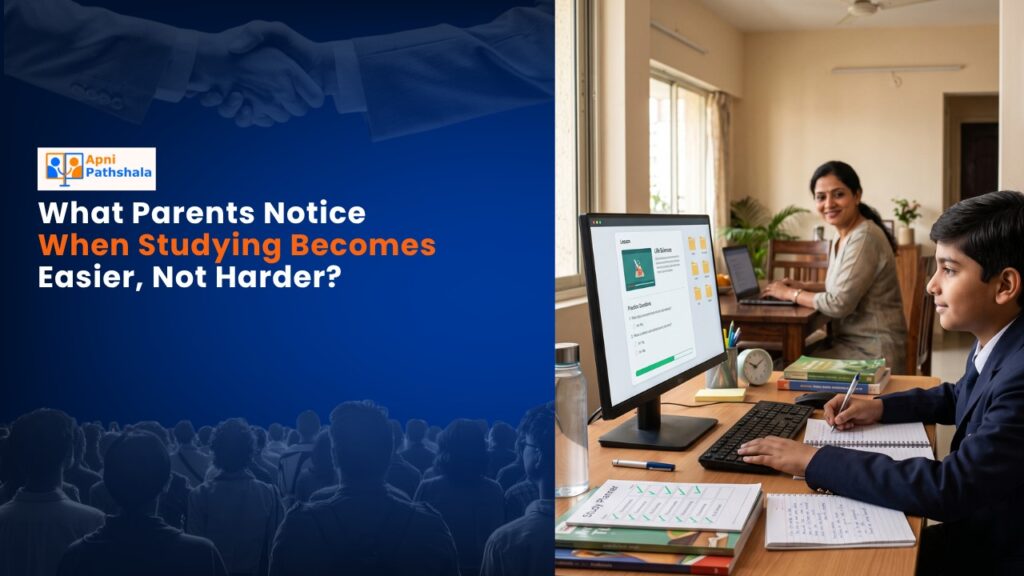
When studying stops feeling like a battle, parents notice specific changes quickly. No more excuses to avoid homework. No more nagging before the books come out. Within two or three weeks of removing friction from the study process, children sit down without being reminded and retain what they study. Easier study habits are not about willpower: they are about the environment where studying happens.
Poor study habits are rarely about laziness. When your child sits at a cluttered desk, switches between three different apps, and cannot find notes from last week, studying becomes exhausting before it even starts. Remove that friction and studying becomes manageable on its own.
- No more excuses or nagging before homework time
- Longer, more focused study sessions
- Better recall of studied material the following day
- Lower anxiety before tests
- Visible improvement in scores within a few weeks
Signs That Easier Study Habits Are Working
When studying becomes easier, you will see specific changes. Your child stops making excuses. They sit down at study time without being reminded. This is not unusual willpower: it is what happens when the process itself feels achievable.
You will notice they remember things better. Not because anything magical happened, but because they are no longer burning mental energy fighting their environment. Focus stretches from 15 minutes to 45 minutes without the mind wandering. That is a meaningful shift that shows up in test scores within a few weeks.
Another sign: your child stops feeling anxious about exams. When easier study habits are consistent, confidence grows naturally. Progress becomes visible quickly. This is different from forcing grades up through extra tuition. It is sustainable because it comes from within.
What Makes Easier Study Habits Stick
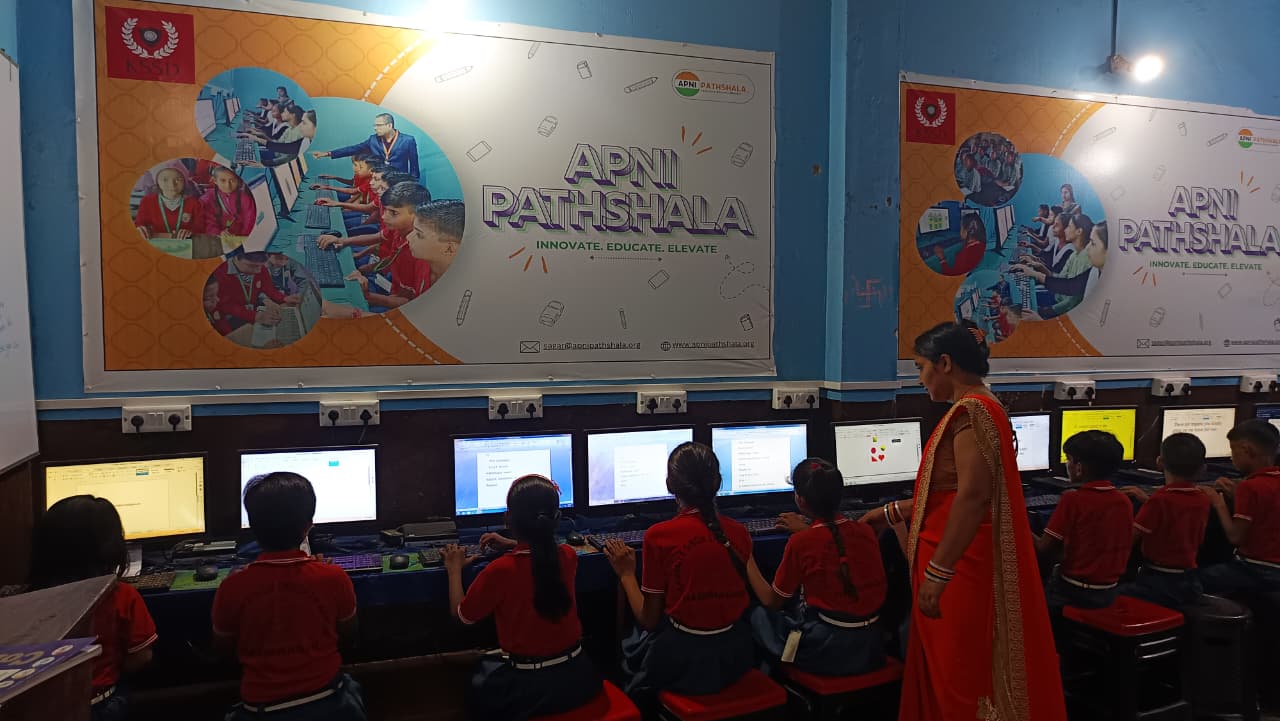
Easier study habits need three things: the right tools, a distraction-free environment, and consistency. Most homes have none of these. Children study on a phone shared with the family, notifications pop up constantly, and the study desk doubles as the dining table.
You can create a distraction-free study space without spending a great deal. A dedicated computer helps most. Not a gaming machine. A focused device built for learning.
Apna PC is designed exactly for this. It comes with Zorin OS, a clean operating system without the chaos of notifications and bloatware. No random updates interrupting study sessions. The 8GB RAM and 128GB SSD mean everything loads quickly. Your child does not waste time waiting for apps to open.
Pre-loaded with Apni Prerna, you can monitor study patterns without hovering. LibreOffice handles all document work. Scratch teaches coding through creative projects. At Rs.30,000 before shipping and GST, Apna PC addresses the root problem: the environment where studying happens.
How Consistency Builds Real Progress
The first week matters most. When your child sits down at the same time, in the same place, with the same device, their brain adapts. By week two, studying feels normal rather than forced. You will notice they begin organising their own notes, creating folders, and developing their own systems. This ownership is key: they are no longer just following instructions; they are building habits that will serve them through school and beyond.
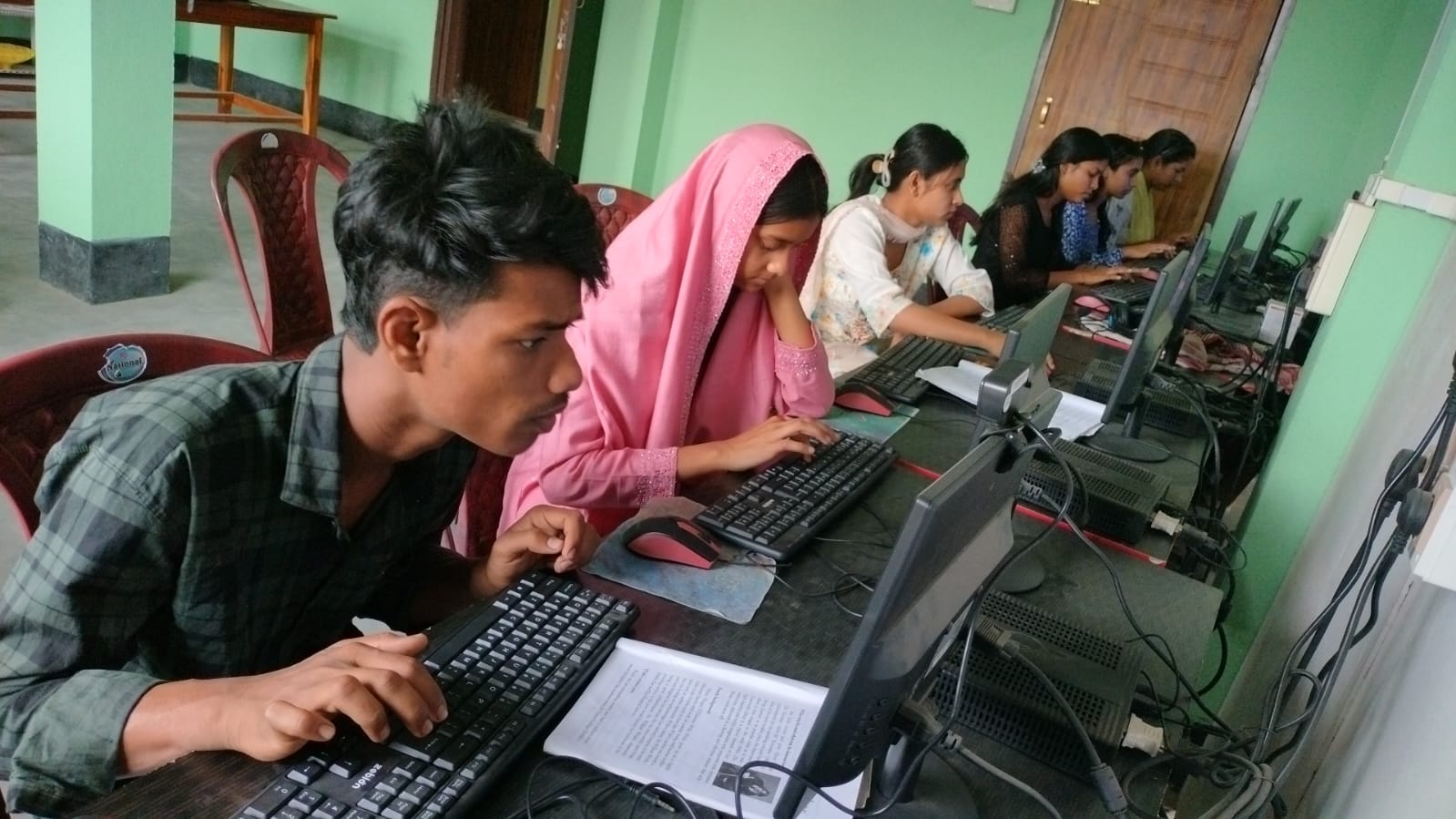
Track small wins. When your child completes a study session on time, acknowledge it. When they solve extra problems without being asked, notice it. You can celebrate progress without pressure, which keeps motivation high without adding stress. See more on how a home study computer improves student focus for practical setup tips. Visit apnapc.com to learn more.
What Easier Study Habits Mean for Long-Term Learning
Easier study habits now mean better board exam scores later. They mean your child enters competitive exams with genuine confidence rather than borrowed anxiety. The Ministry of Education emphasises that the learning environment directly impacts academic outcomes. Education in India is evolving toward digital tools and self-directed learning. A computer built for students accelerates both. When a child can find their notes instantly, load their exam portal without trouble, and study without distraction, the work itself becomes easier. That is the shift parents notice most. Visit apnapc.com to learn more.
Frequently Asked Questions
How long does it take to build easier study habits for a child?
Most parents notice a shift within two to three weeks of consistent routine. The first week is about establishing the pattern: same time, same place, same tools. The second week the brain starts adapting. By the third week, your child sits down at study time without needing a reminder. Progress on test scores typically follows within a month.
What makes a computer better than a phone for building study habits?
A dedicated computer separates study time from entertainment in a physical way. When your child sits at the computer, they know it is study time. A phone, by contrast, is associated with messages, videos, and games, so every notification breaks focus. A computer with Apna PC’s pre-loaded tools and parental monitoring creates a clear boundary that phones cannot.
How does Apni Prerna help with study habit development?
Apni Prerna is a monitoring system built into Apna PC. It lets parents see which apps their child uses during study time and block distracting sites during scheduled hours. This creates structure without constant supervision. As habits develop, you can gradually reduce restrictions. The goal is eventual self-regulation, and Apni Prerna supports that transition step by step.
Easier study habits change more than grades. They change how your child relates to learning. Visit apnapc.com to learn more about Apna PC.