

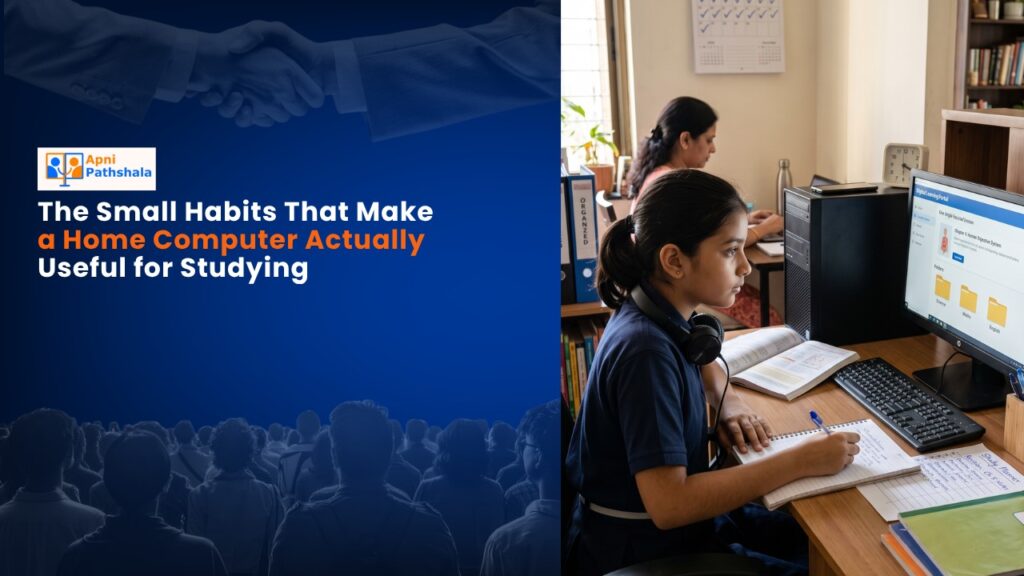
When Study Habits Finally Changed How Rajesh’s Daughter Used Her Computer
Rajesh sat in his small living room in Indore, watching his daughter Priya stare at the new computer he’d bought her three months ago. She’d open it for online classes, then close it. Her textbooks still lay scattered on the floor. He’d spent 35,000 rupees thinking a computer would fix her grades. Instead, it sat there like an expensive paperweight. He didn’t know that the problem wasn’t the computer. Nobody had taught Priya the small study habits that make a home computer useful for studying.
Your child’s computer is only as powerful as the routines you build around it. A machine sitting on a desk won’t change anything. But a machine paired with the right approach? That’s when real learning happens. Let’s talk about the small changes that turn your home computer from a distraction device into a real learning tool.
Start With a Fixed Time, Not a Fixed Location
Most parents think the problem is where their child studies. They buy a desk, arrange it perfectly, and expect magic. That’s backwards. The real magic is in when your child sits down to work, not where.
Set a specific time every day when the computer is for studying only. Not “after homework” or “when you feel like it.” We’re talking 6 PM to 7 PM. Every single day. Your brain works better when it knows what’s coming. After two weeks, your child’s mind will automatically shift into focus mode at that time.
Here’s what happens: your daughter sits down at 6 PM, opens the computer, and her brain already knows it’s work time. No scrolling. No YouTube. Just work. This single habit beats buying the fanciest computer you can afford.
Keep One Folder. One Simple Folder.
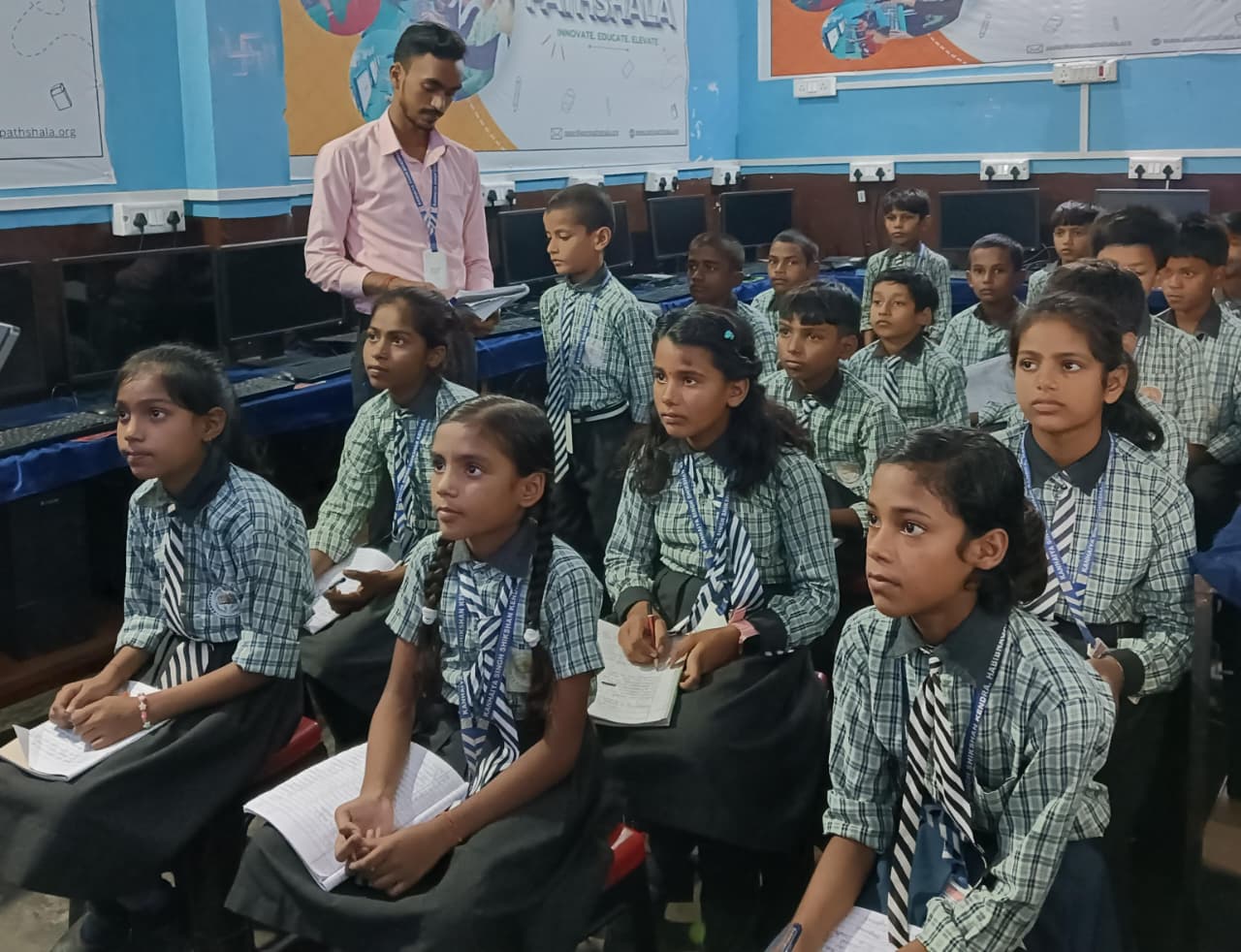
Priya’s computer had folders everywhere. Downloads. Documents. Desktop. Her science notes were in three different places. When she needed to prepare for exams, she couldn’t find anything. She wasted 20 minutes just searching for her own files.
Create one main folder called “My Studies.” Inside it, make folders for each subject. That’s it. When your child opens the computer, they know exactly where everything is. No searching. No confusion. Open the folder and start working.
This sounds small, but it saves hours every month. Your child isn’t hunting for files. They’re actually studying. And that’s the whole point.
Good Study Habits Remove Distractions Before They Happen
Don’t rely on your child’s willpower. It won’t work. Instead, remove the temptation before study time starts.
- Close every browser tab except the one they need
- Turn off notifications on the computer
- Put the phone in another room
- Tell family members not to disturb during study time
When your child sits at the computer, nothing distracts them. No notifications popping up. No phone buzzing. No siblings asking questions. Just the work in front of them. This is how you build real focus.
Use the Right Tools for the Right Job
Your computer should have the tools your child actually needs for studying. Not games. Not entertainment apps. Just learning tools. This is where most home computers fail.
A good educational computer comes pre-loaded with everything a student needs. LibreOffice for writing assignments. Scratch for learning coding. Study apps that actually help. The Apna PC, for example, comes ready to go with these tools already installed. Your child doesn’t waste time downloading things. They open the computer and start learning.
When the computer is set up right from day one, your child builds a better understanding of concepts instead of memorising, and builds stronger routines faster. They’re not confused about what to use. They’re not tempted by games that aren’t there. They work.
Track Progress, But Don’t Obsess
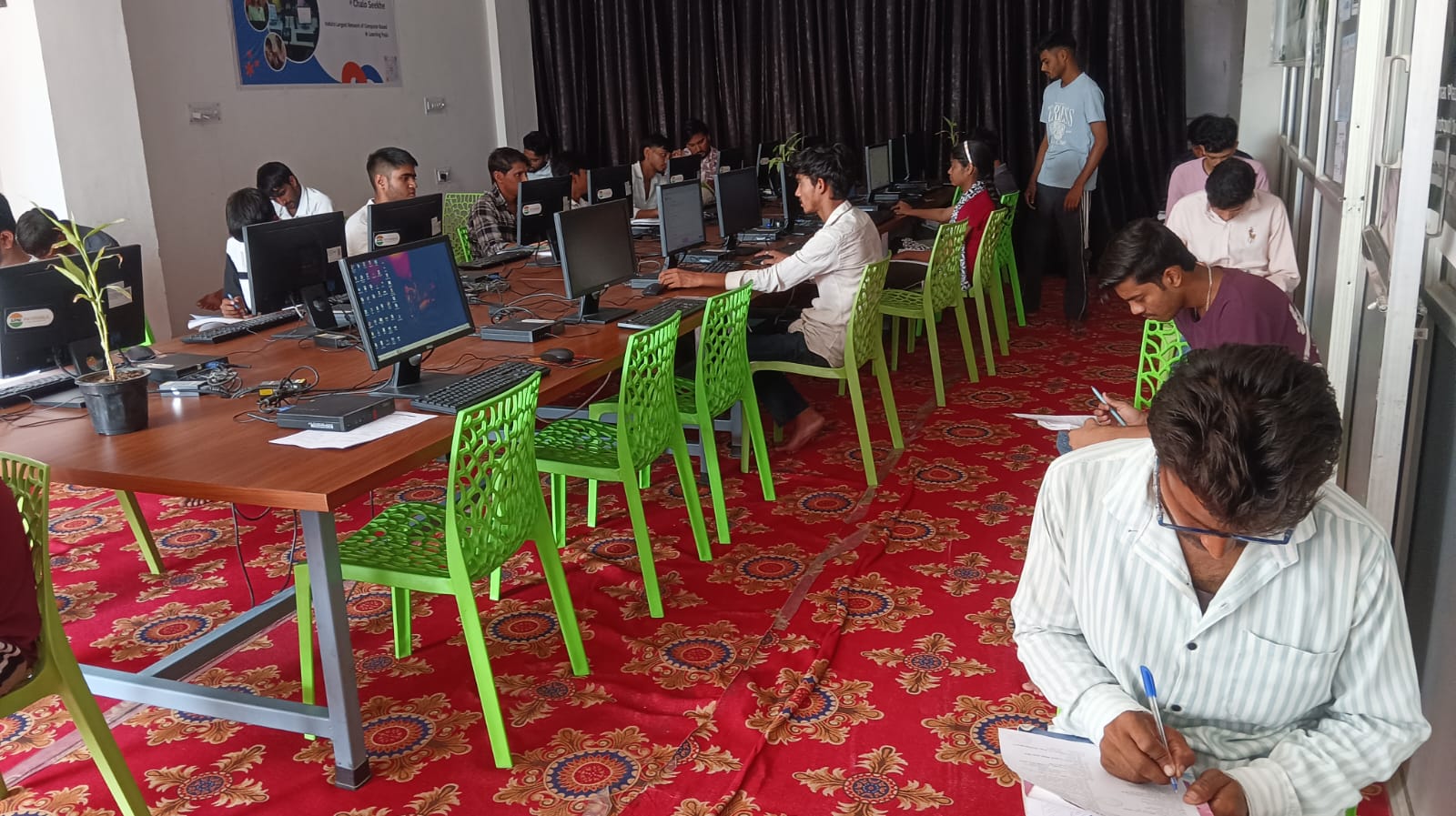
Here’s something parents get wrong: they either don’t track anything, or they track everything and stress their kids out. There’s a middle ground.
Keep a simple log. When did your child work? For how long? What did they cover? You don’t need to spy on them. Just a basic record helps them see their own progress. After a month, they’ll see they’ve put in 20 hours on maths. That feels real. That feels like progress.
Your child’s motivation grows when they see their own effort adding up. This isn’t about punishment. It’s about making the invisible visible.
The Real Change Happens Slowly
Rajesh didn’t see results in the first week. Or the second. But in the third week, Priya started opening her computer without being asked. By week six, her maths grade improved. By month three, she was actually using her computer for learning.
The computer didn’t change. Priya’s study habits did. Small changes done every single day add up to real progress. Your home computer becomes useful not because it’s expensive or fancy. It becomes useful because you’ve built the right routines around it.
These routines work with any personal computer. But they work best when your machine is designed for studying and has the right software already installed, when there’s nothing to distract your child. When everything is set up to help them focus, initiatives like the Digital India initiative are pushing for more families to embrace technology for education, and your child’s habits matter more than the hardware.
Your child’s future isn’t determined by having a computer at home. It’s determined by the study tools for independence and the small study habits they build around that computer every single day. Start small. Stay consistent. Watch the change happen.
Ready to set up your child for real learning success? Visit apnapc.com to learn more.