

What Has Changed in the Modern Education System?
The modern education system in India has undergone significant change over the last decade. CBSE, NCERT, and state boards have all moved towards competency-based learning, where students are evaluated not just on what they remember, but on what they can actually do with that knowledge.
According to NCERT (National Council of Educational Research and Training), the revised national curriculum framework now emphasises creativity, collaboration, and critical thinking as core learning outcomes alongside subject knowledge.
The problem is that schools alone cannot deliver all of this. A class of 40 students, a fixed syllabus, and limited school hours create a ceiling. Beyond that ceiling, the responsibility shifts to the student and to the tools available at home.
The Real Power of Digital Learning for Students
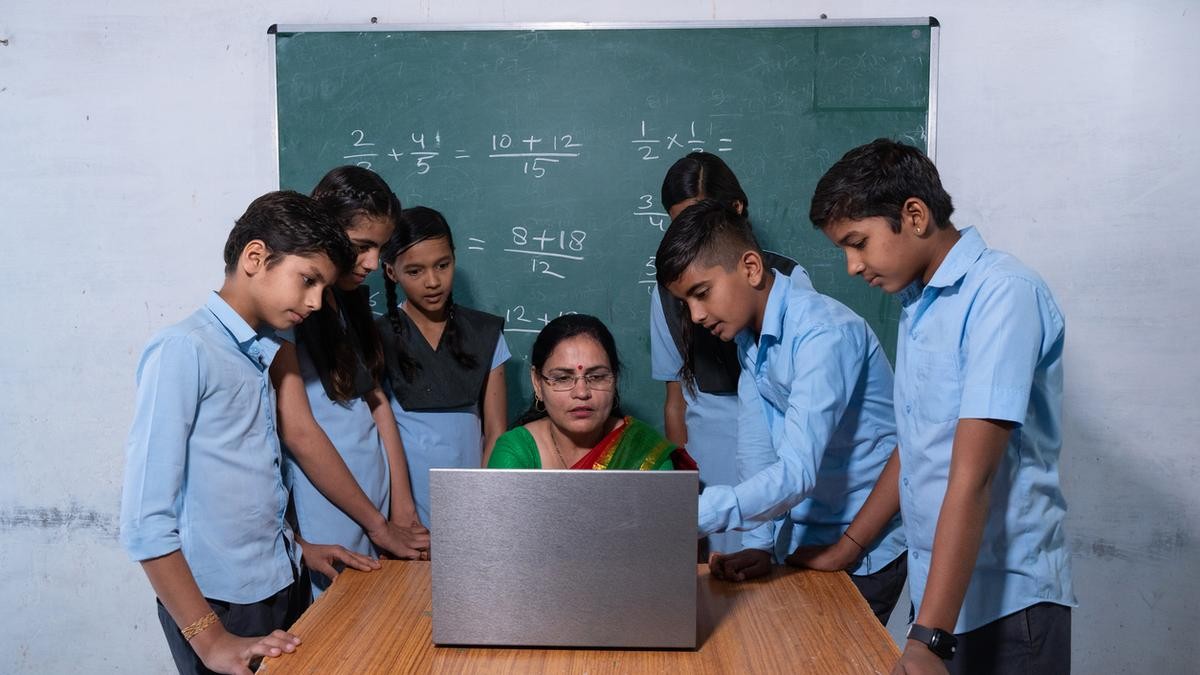
- Watch explanatory videos on difficult topics, in their own language and at their own speed.
- Practice typing and basic computer skills that every job and college now expects
- Access DIKSHA India’s national digital learning platform for free, curriculum-aligned content
- Attempt sample papers and self-assessments without waiting for the next school test.
- Build comfort with technology gradually, so it never feels like a barrier later in life.
Why Learning Outside the Classroom Builds Real Advantage?
Learning outside the classroom is what separates technically educated students from genuinely skilled ones. The students who consistently outperform their peers in entrance exams, interviews, and college are almost always the ones who practised more independently at home.
This isn’t about privilege or location. A student from a Tier 2 city with a computer at home has access to the same quality learning resources as a student in a metro. What changes are there in their exposure to technology, their ability to navigate information, and their confidence when using digital tools professionally?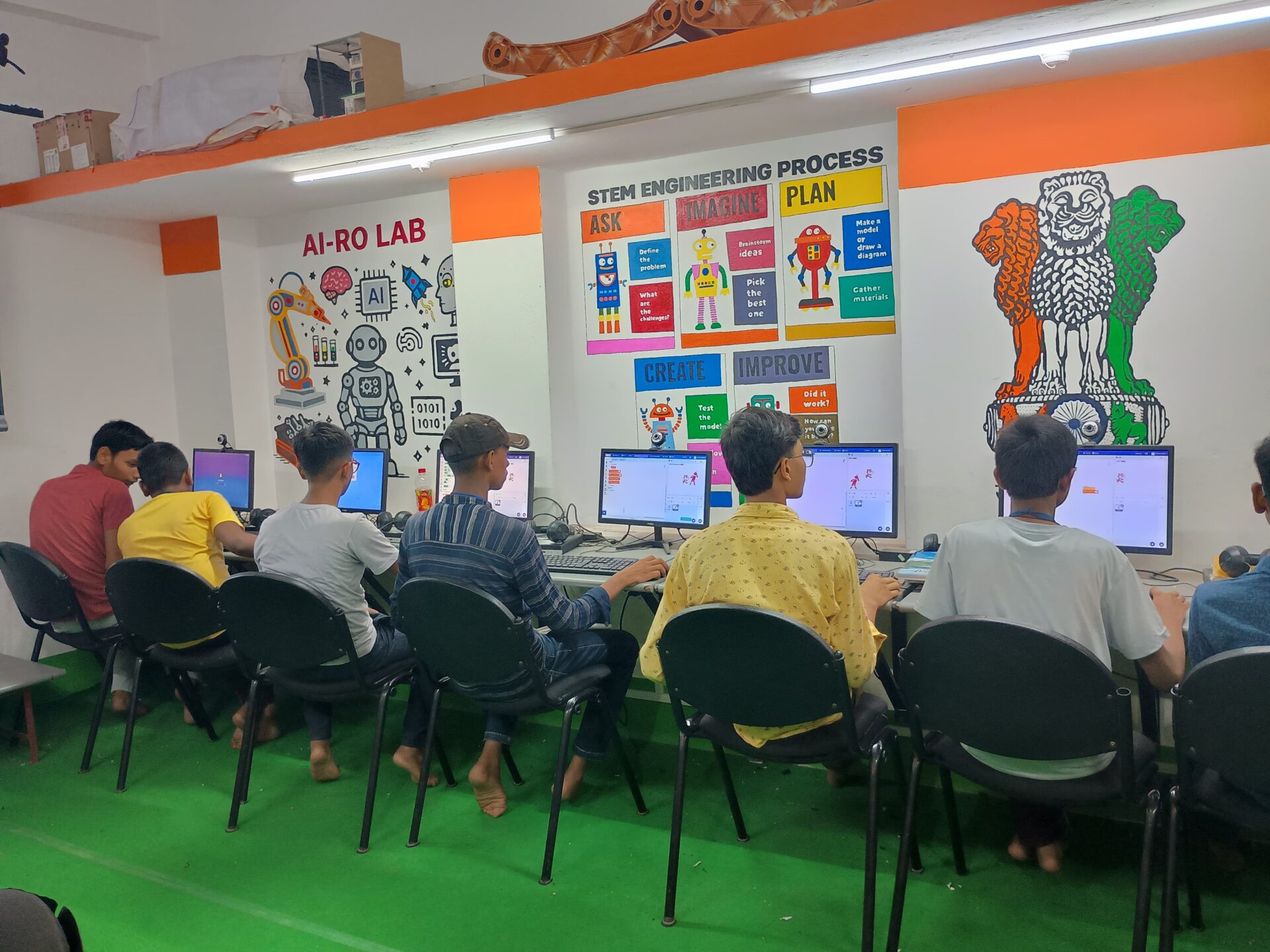
The Future of Education Is Already Here
The future of education is not an abstract idea. It is playing out right now: students are shortlisted for colleges, candidates clear aptitude screenings, and professionals adapt quickly to new tools and technologies.
Students who struggle are often not the ones who lack intelligence. They are the ones who never had a chance to practice outside of school. The ones who typed their own notes instead of copying them by hand. Who researched topics independently. Who used a computer regularly and grew comfortable with it, not afraid of it.
Apna PC at ₹21,000 (shipping and GST excluded) was built specifically for Indian families who want to give their children this advantage without overspending. At that price, one device can replace years of tuition costs while building far more durable, lifelong skills.
Learn more about What Is Apna PC and how it supports student learning at home from day one.