

The Real Meaning of Skill Development for Students
When people discuss skill development for students, the conversation often jumps to vocational training, coding bootcamps, or soft skills workshops. But the most fundamental skill being overlooked is much simpler: the ability to use a computer confidently and independently.
A student who can type quickly, search for information efficiently, organise digital files, and present their work on a screen has an advantage in almost every area, from academics to entrance exams, college interviews, and early careers. This is not a specialised skill. It is a baseline one.
Why Technology Skills in Education Cannot Wait?
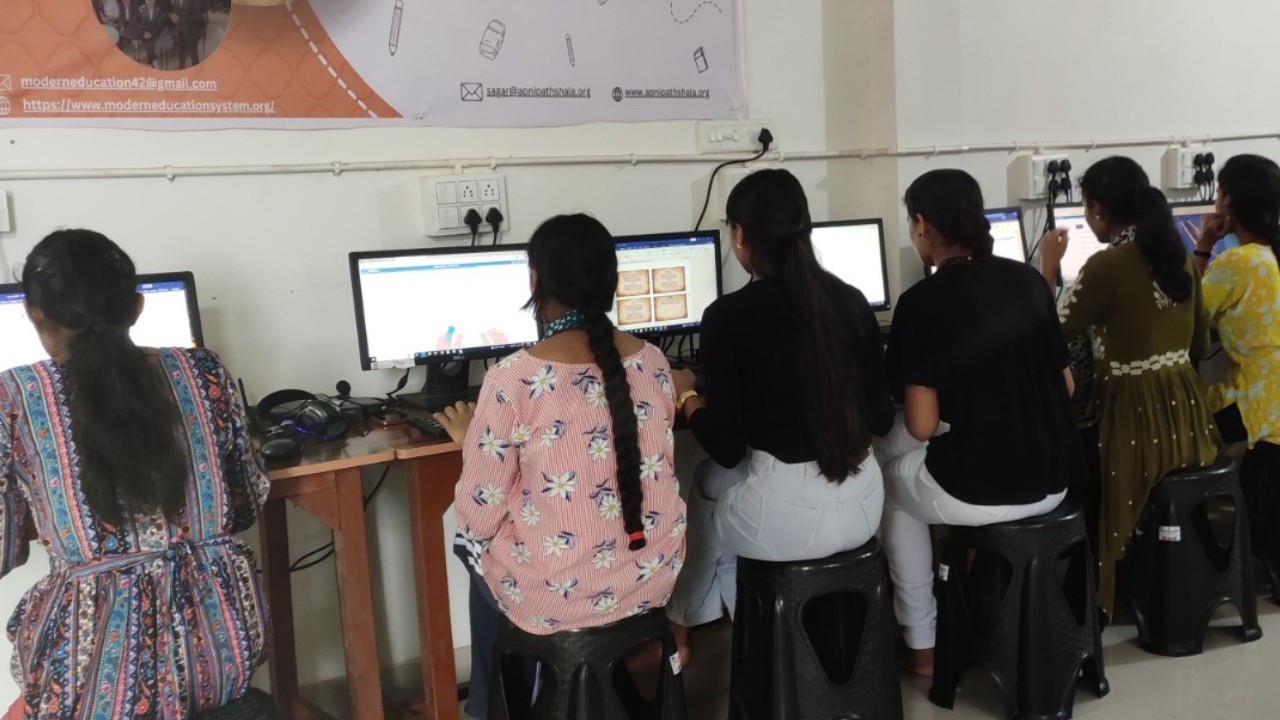
Technology skills in education are no longer a future concern. They are a present-day requirement.
CBSE has also introduced Artificial Intelligence as an optional subject from Class 8, signalling how seriously the system is taking digital readiness. But coding, AI, and digital tools cannot be effectively learned on a single shared computer during a 45-minute weekly lab period. The expectation is that students will practice at home. For those who cannot, the gap keeps growing quietly year after year.
What Computer Skills for Students Actually Look Like?
- Typing: A student who types 40–50 words per minute has a clear edge in timed tests, college assignments, and professional work. This only comes from regular practice.
- File management: Knowing how to save, name, organise, and find documents efficiently is something most working adults had to learn the hard way. Students who practice this early are ahead.
- Research skills: Using search engines effectively, evaluating sources, and summarising information are habits that separate strong students from average ones.
- Presentation: Creating and delivering a basic presentation is expected in most colleges and workplaces. Students who have done this before feel confident; those who haven’t feel lost.
- Spreadsheets and documents: Basic proficiency in these tools is a standard requirement across nearly every career path.
Access Is the Starting Point, Not the End Goal
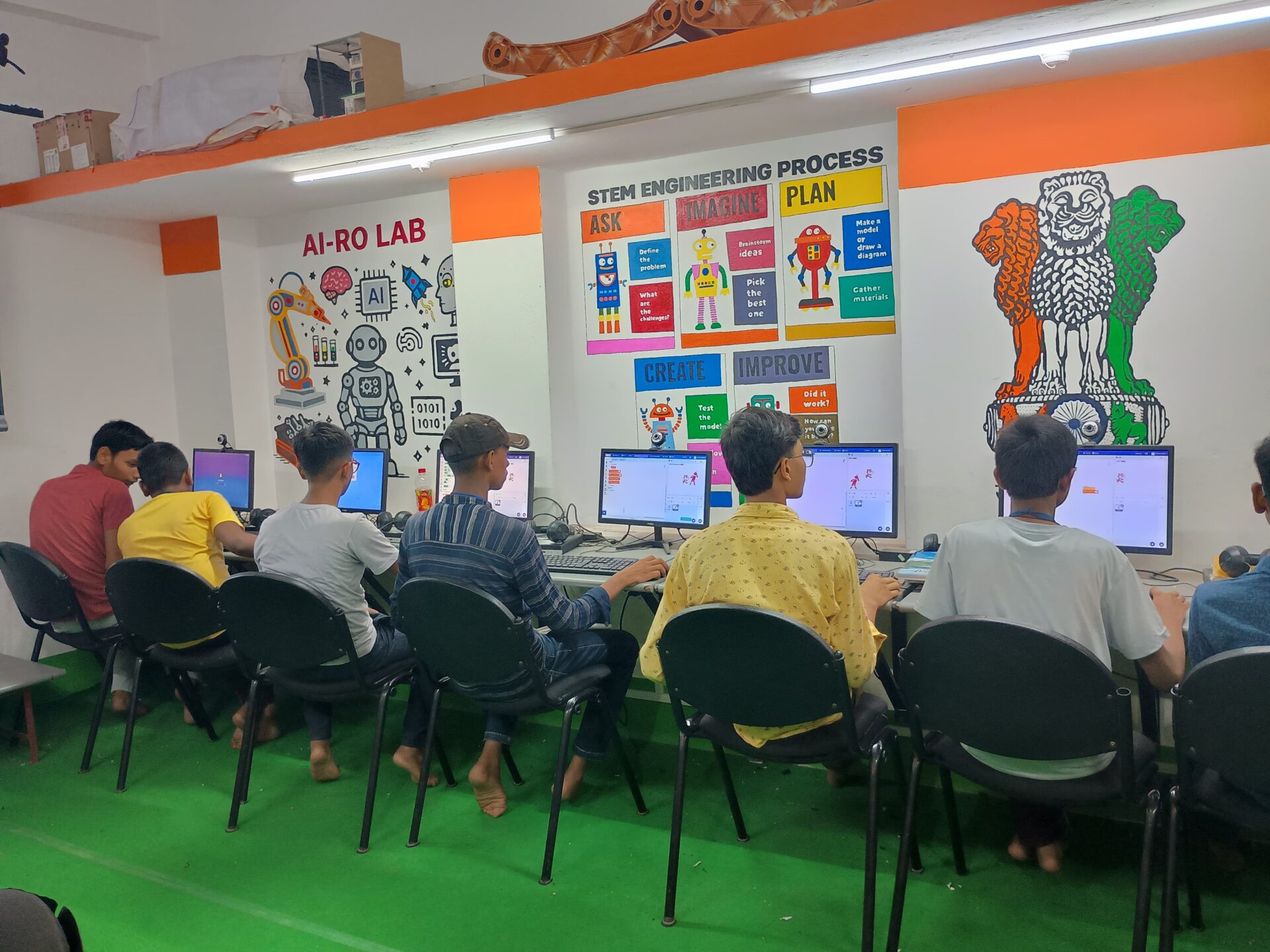
UNESCO global education research consistently shows that equity in learning outcomes begins with equity in access to learning tools. Students who lack access to devices fall behind, not because they are less capable, but because they have fewer opportunities to build the skills that are now expected of them.
In India, this gap plays out every day. A student from a well-off family may have used a laptop since Class 4. A student of equal intelligence from a smaller city may not get their first sustained computer access until they enter college. By that point, years of skill-building have already passed, and catching up takes far longer than getting started early.
This is why ‘Why Every Indian Student Needs Their Own Computer at Home’ is a question every parent should think about before Class 9, not after. And The Hidden Cost of Not Having a Computer in 2026 shows exactly what that delay costs.
Apna PC at ₹21,000 (shipping and GST excluded) was built to close this access gap for Indian families, giving every student, regardless of city or background, the device they need to start building real skills at home.