

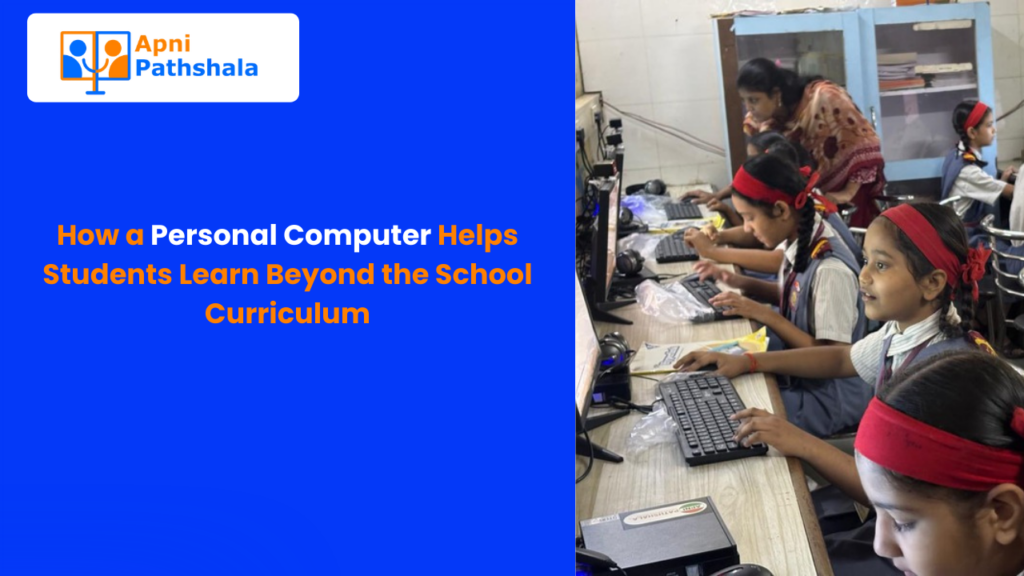
Education today is no longer limited to what students learn in classrooms or from textbooks. The digital world has opened the door to a much wider learning environment where curiosity can lead to discovery, creativity, and new skills.
A personal computer plays a powerful role in this transformation. It gives students the opportunity to explore knowledge beyond their school syllabus and develop abilities that prepare them for the future.
Learning Without Boundaries
Traditional learning follows a fixed structure. Students study what is included in their syllabus and prepare for exams based on those topics.
However, students often have many interests beyond their textbooks. A personal computer allows them to explore subjects that may not be part of their school curriculum, such as:
- Coding and programming
- Graphic design
- Video editing
- Digital storytelling
- Online research skills
This freedom encourages curiosity and deeper learning.
Access to Global Knowledge
One of the biggest advantages of digital learning is access to information from around the world.
With a personal computer, students can:
- Watch lectures from global educators
- Explore educational platforms
- Access research articles
- Join online learning communities
This exposure helps students develop a broader perspective and stay updated with new ideas.
Encouraging Creativity
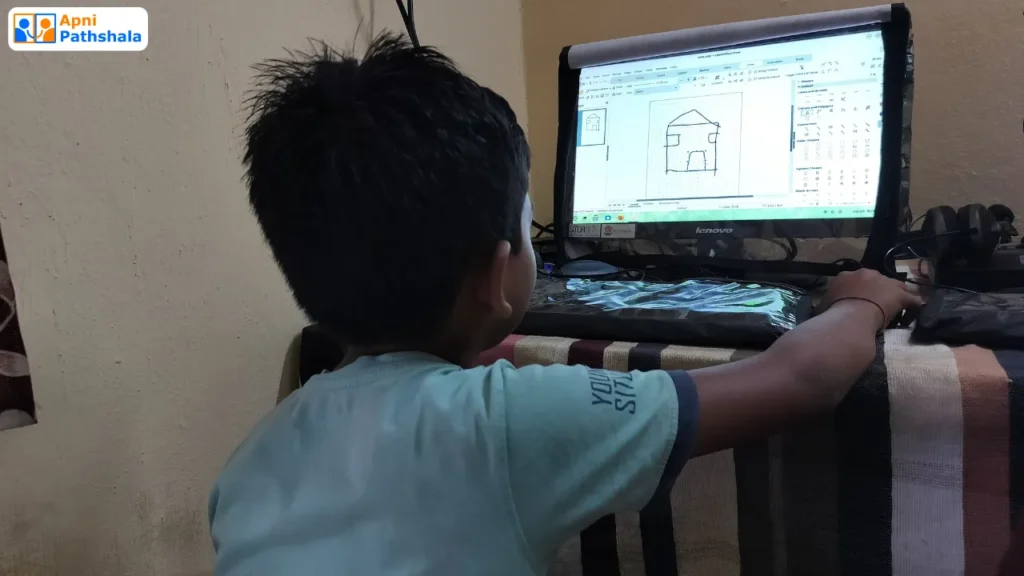
A personal computer is not only a tool for consuming information but also for creating.
Students can use it to:
- Design presentations
- Write blogs and essays
- Create digital artwork
- Edit videos or audio content
- Develop small projects
Creative activities strengthen problem-solving abilities and build confidence.
Learning New Skills Independently
Self-learning has become an essential skill in the modern world.
With access to a PC, students can start learning skills independently through tutorials and online courses. Many students begin exploring areas such as coding, design, or digital communication at an early age.
These skills can later become valuable career opportunities.
Developing Research and Critical Thinking
When students search for information online, they learn how to evaluate sources, compare ideas, and form their own opinions.
This process develops:
- Research skills
- Critical thinking
- Analytical ability
These abilities are essential not only for academics but also for professional success in the future.
Building Confidence with Technology
The modern world is deeply connected with technology. Students who regularly use computers become more comfortable with digital tools, online platforms, and technical systems.
This familiarity helps them adapt easily to future academic and professional environments where technology plays a major role.
Supporting Equal Learning Opportunities
Many students have the potential to learn and grow, but they may lack access to the necessary digital tools.
Providing students with personal computers helps bridge this gap and ensures that learning opportunities are not limited by access.
Programs like Apna PC aim to make digital education accessible so that students from different backgrounds can learn, explore, and build their futures with confidence.
Conclusion
A personal computer is more than just a device for completing assignments. It is a gateway to knowledge, creativity, and skill development.
By enabling students to explore learning beyond the classroom, a PC empowers them to grow intellectually, think independently, and prepare for a rapidly evolving digital world.
When students are given the tools to learn freely, their potential becomes limitless.