


Priya’s Choice: Why One Bengaluru Family Switched from Tablet to Desktop
Priya sat in her small flat in Whitefield, watching her 10-year-old son Arjun struggle with his online classes. His iPad was convenient, yes, but after six months, she noticed something troubling: his posture was hunched, his eyes hurt by 3 PM, and when he tried to submit assignments with multiple files, the tablet kept freezing. That’s when she started researching tablet vs desktop for students, desperate to find what would actually work for her son’s learning journey.
The tablet vs desktop for students debate comes up in almost every Indian household today. You’re probably facing the same question right now. Should you invest in a tablet for your child’s education, or go with a desktop computer? The answer isn’t simple, but it matters deeply for your child’s long-term success.
Tablet for Students: Where It Genuinely Wins
Let’s be honest: tablets have real advantages that you shouldn’t ignore. They’re portable, lightweight, and perfect for younger kids who benefit from touch-based learning. If your child is in grades 1-4, a tablet’s interactive apps for math, languages, and drawing can be genuinely engaging.
Tablets also work beautifully for reading e-books, watching educational videos on the DIKSHA digital learning platform, and accessing study materials anywhere in your home. The portability means your child can learn in the living room, bedroom, or even during travel.
- Portability: Light and easy to carry to tuition classes or relatives’ homes
- Touch interface: Intuitive for younger learners and creative apps
- Battery life: Works for 8-10 hours without charging
- Lower entry cost: Decent tablets start around Rs.15,000-20,000
But here’s what most parents discover after a year: tablets hit a ceiling when your child enters grades 6 and above.
Why a Desktop Computer Wins for Long-Term Learning
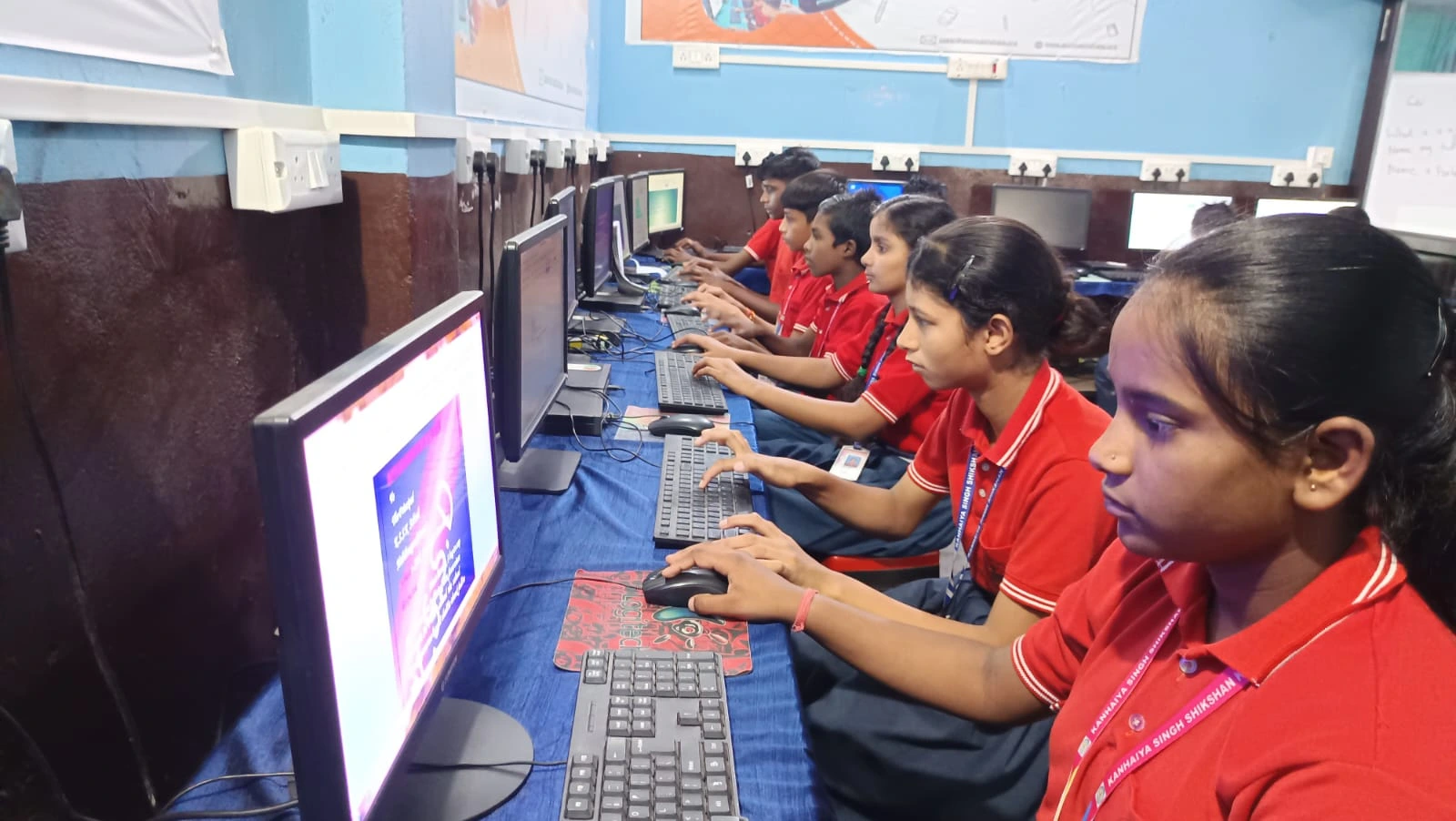
When Arjun started grade 6, Priya’s real problems began. He needed to type long essays, create presentations, code in Scratch, and use specialised software for science projects. The iPad, which had felt so modern two years earlier, suddenly felt limiting.
This is where the tablet vs desktop decision becomes a real financial and educational choice. A desktop computer isn’t just a bigger screen. It’s a completely different tool that prepares your child for how the world actually works.
A desktop computer gives your child:
- Proper ergonomics: A separate keyboard, mouse, and monitor mean your child sits correctly, protecting their back and eyes for hours of study
- Real productivity software: Microsoft Office alternatives, video editing, coding platforms, and project management tools work smoothly without crashes
- Multitasking ability: Your child can open multiple windows, compare research sources, and work on complex projects without the system slowing down
- Future-ready skills: Learning on a proper desktop teaches typing, file management, and computer literacy that every job requires
- No storage anxiety: With 128GB SSD storage, your child can save years of projects, assignments, and learning materials without constantly deleting files
Consider recording a presentation on a computer versus a tablet. On a desktop, your child can record, edit, add transitions, and export in multiple formats smoothly. On a tablet, the same task becomes frustrating after the first attempt.
The Apna PC Advantage for Students
When Priya discovered Apna PC, she found exactly what she needed. This educational desktop computer from Apni Pathshala is built specifically for students like Arjun and priced at just Rs. 30,000 (plus shipping and GST).
Here’s what makes it different from generic computers:
- Pre-loaded with student software: Zorin OS (a fast, secure Linux system), LibreOffice for documents and presentations, and Scratch for coding. No time wasted on installation or dealing with viruses.
- Apni Prerna monitoring: You can gently track your child’s learning without being intrusive. Know which subjects they’re studying, how much time they’re spending, and whether they need help.
- 8GB RAM and 128GB SSD: This isn’t a budget computer that feels slow. It handles everything your child needs through their entire school years and beyond.
- Built for learning, not gaming: Unlike consumer desktops, it’s optimised for educational software and won’t tempt your child into endless gaming.
Apni Pathshala, the team behind this computer, understands Indian students’ needs. They’ve pre-loaded resources aligned with CBSE and other boards, recognising that your child’s education follows specific curricula.
Tablet vs Desktop for Students: The Real Comparison
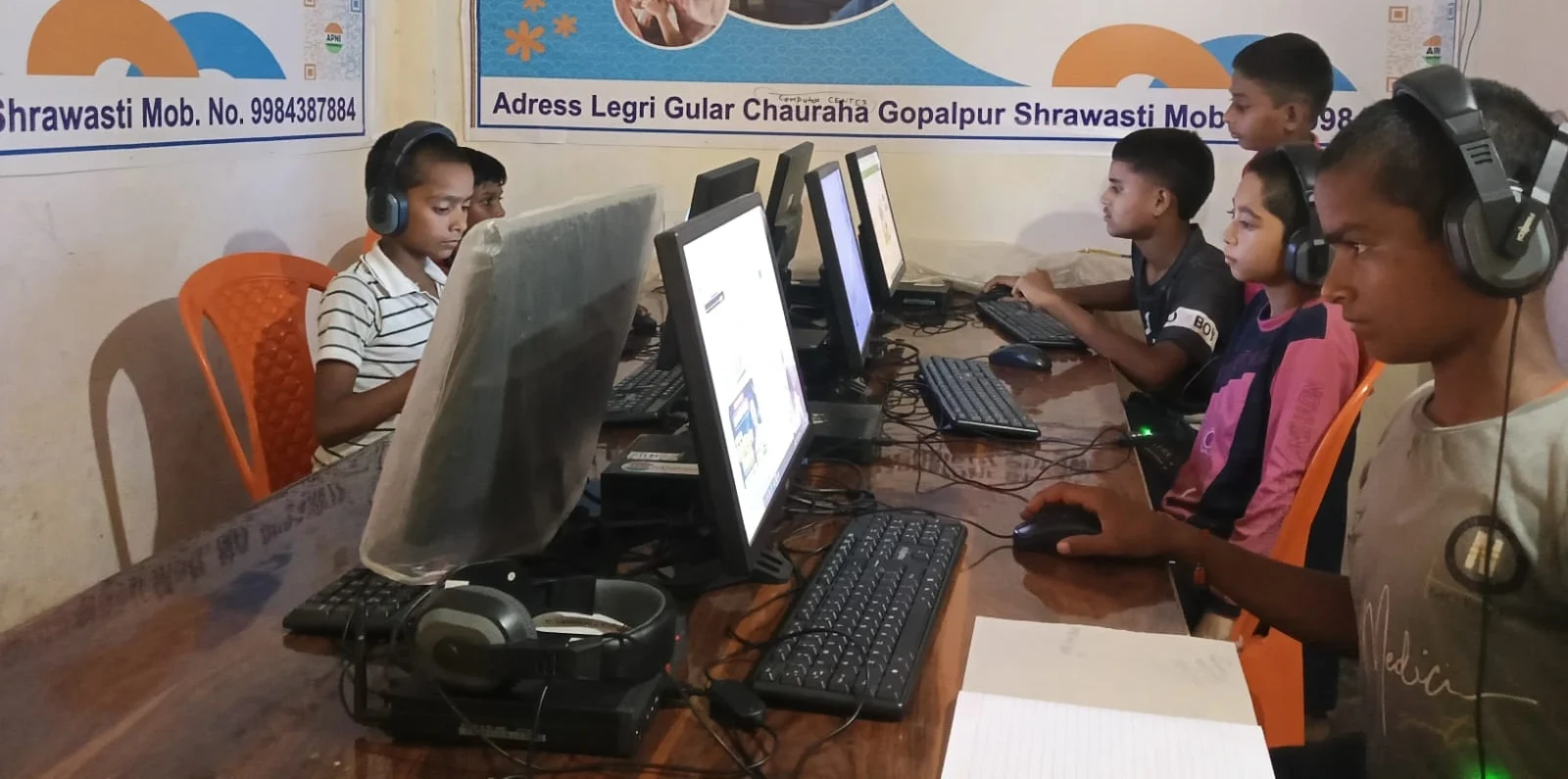
Let’s compare directly across what matters most:
- Grades 1-5: Tablet wins for engagement and portability, but a desktop is better for long-term learning habits
- Grades 6-10: Desktop clearly wins. Your child needs proper typing skills, project software, and coding platforms that tablets can’t handle well.
- Competitive exams and board exams: Desktop is essential. Online test platforms, mock exams, and research work all demand a proper computer.
- Long-term value: A Rs.30,000 desktop serves your child for 5-7 years. A tablet becomes outdated much faster and doesn’t prepare them for college or careers.
The Digital India initiative and CBSE are pushing schools toward more computer-based learning. Your child will absolutely need desktop skills sooner or later. Starting now means they’re ahead, not catching up.
What About Combining Both?
You don’t have to choose one forever. The smartest families we know buy a tablet for portability and specific subjects, then pair it with a desktop computer for serious study. Your child gets the best of both worlds without compromise.
In the end, the best choice between a tablet and a desktop for students depends on your budget and your child’s age. But if you’re buying just one device right now, and your child is past grade 4, a desktop computer is the investment that keeps paying back. It’s where your child will spend 3-4 hours daily doing homework, projects, and exam preparation.
Making Your Decision
Six months after switching to Apna PC, Priya saw the difference. Arjun’s posture improved, his assignment submission became stress-free, and he actually started enjoying coding in Scratch. His teachers noticed better quality work. Most importantly, he was developing real computer skills that would matter for his entire life.
Your child’s education deserves a tool that grows with them, not one that limits them. A desktop computer isn’t a luxury anymore. It’s the foundation of modern learning. If you’re looking for a reliable, affordable, and student-focused option, Apna PC offers exactly what Indian families need without breaking the bank. Visit apnapc.com to learn more.