

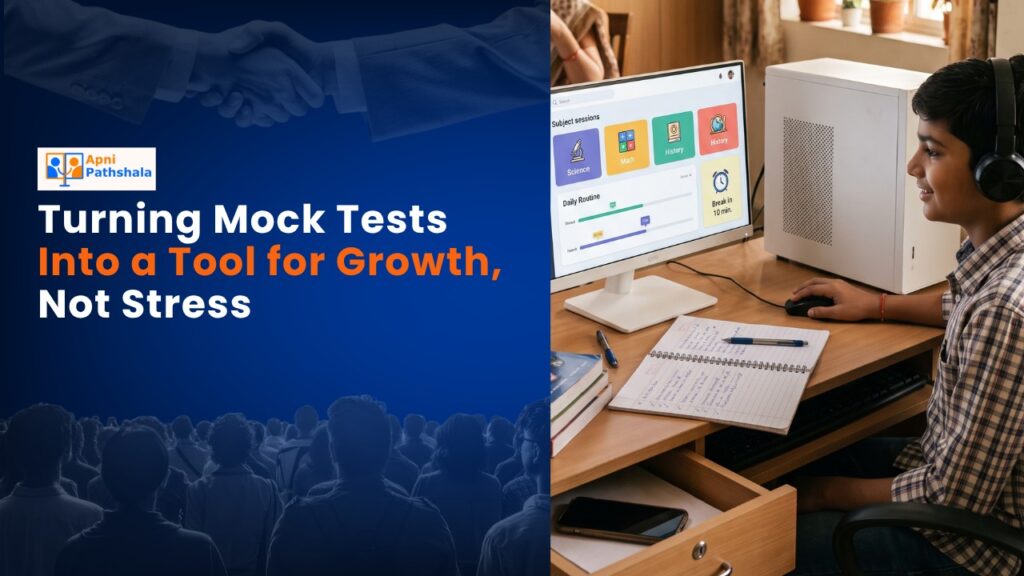
Priya’s Wake-Up Call: When Mock Tests Became the Enemy
Priya sat in her Bangalore apartment, staring at her son Arjun’s mock test score. Seventy-two per cent. Just two weeks before his Class 10 board exams, and he’d scored lower than expected in his practice test. Her stomach twisted. She could see Arjun in the next room, shoulders hunched, convinced he’d fail everything. That practice test, meant to prepare him, had crushed his confidence instead. Priya didn’t know it then, but she was about to discover something that would change how her family approached exam preparation entirely.
If you’re a parent in a Tier 2 or Tier 3 city, you’ve probably felt this same panic. Your child takes practice tests, sometimes scores drop, and suddenly you’re both spiralling. But here’s the truth: practice tests aren’t meant to predict your child’s future. They’re diagnostic tools. The problem is most students and parents don’t know how to use them that way. This blog will show you how to transform practice tests from sources of stress into powerful tools for real growth.
Understanding What Mock Tests Actually Do
A practice exam that mimics the real thing. It’s designed to help your child get familiar with the exam format, timing, and difficulty level. Think of it like a dress rehearsal before the actual performance. The score matters far less than what that score reveals about your child’s preparation.
Most students treat practice tests like final exams. They take the test, check the score, feel good or bad, then move on. That’s the biggest mistake. A real practice test analysis happens after the exam ends, not when it begins. Your child should spend as much time understanding where they went wrong as they spent taking the test itself.
According to the Central Board of Secondary Education, students who regularly practice with practice tests show measurable improvement in board exams. But only if they analyse their mistakes properly.
The Three-Step Process for Mock Test Analysis
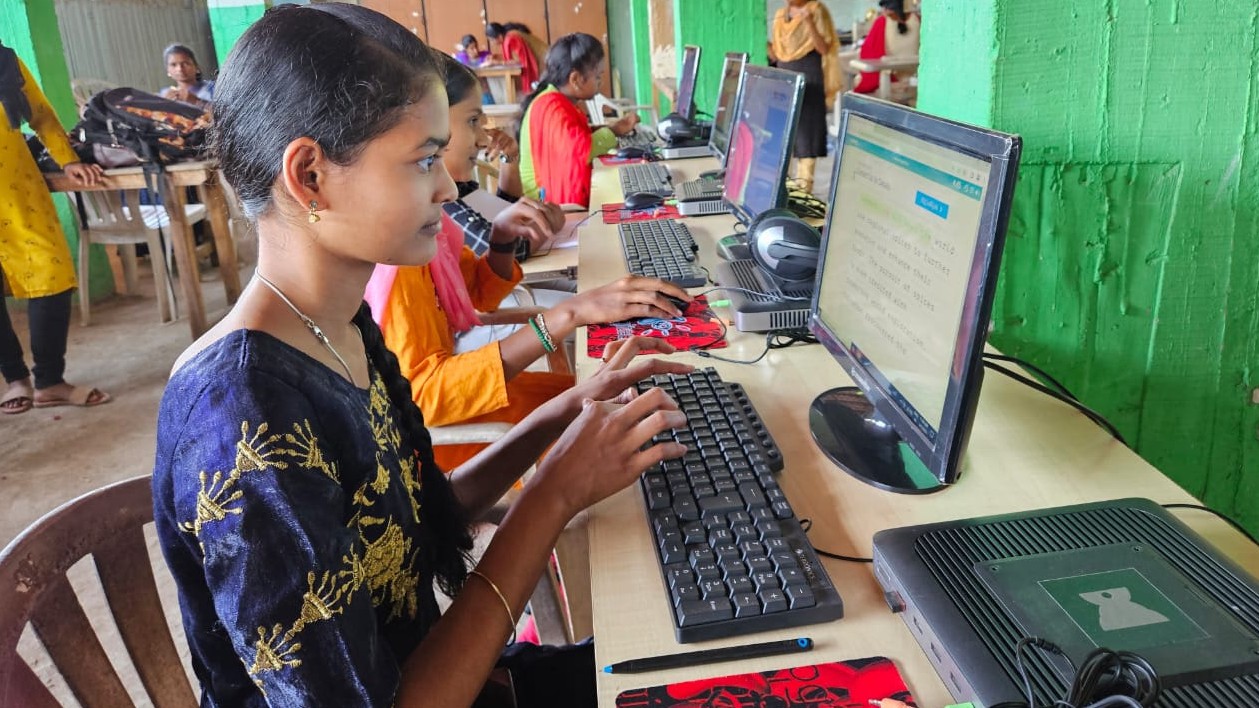
After Arjun took his practice test, Priya learned a simple framework that changed everything. Here’s what you should do with every practice test your child takes:
- Step 1: Identify Error Types – Was it a careless mistake, a concept gap, or a time-management issue? Your child must categorise each wrong answer. This takes 20-30 minutes but reveals the real problem.
- Step 2: Focus on Patterns, Not Individual Questions – If your child got three questions wrong in algebra, that’s a pattern. One wrong question in geometry might just be a fluke. Patterns show where actual study is needed.
- Step 3: Create a Targeted Study Plan – Don’t study everything again. Study only the areas where patterns emerged. This is efficient and builds confidence quickly.
Arjun’s practice test revealed he was rushing through reading comprehension questions. He understood the passages but lost marks due to careless errors. This wasn’t a knowledge problem. It was a speed and focus problem. Once he knew this, he could practice differently.
Why Your Child’s Score Doesn’t Define Their Potential
Here’s something most parents don’t realize: a lower practice test score is actually valuable information. It shows your child what to fix before the real exam. A student who scores 72% on a practice test and then studies the weak areas will likely score much higher on the actual board exam. A student who scores 92% and doesn’t study at all might crash when exam day arrives.
Your child is a student in progress, not a finished product. Mock tests are checkpoints, not destinations. The emotional response to a practice test score matters more than the score itself. If your child sees a lower score and thinks “I need to work harder on this,” that’s growth mindset. If they think “I’m not good enough,” that’s a problem you need to address immediately.
This is where tools like Apna PC make a real difference. With pre-loaded Apni Prerna monitoring software, you can track your child’s exam practice patterns over time. You’ll see which topics they’re studying, how long they’re spending on each, and where they’re struggling. This data turns exam practice preparation from guesswork into science.
Building Confidence Through Small Wins
After identifying weak areas, your child shouldn’t try to fix everything at once. That leads to overwhelm and burnout. Instead, focus on one weak area at a time. Master it, take another practice test, and see the improvement. This creates momentum.
Our guide on small daily wins for exam confidence explains exactly how to build this momentum. When your child sees their score improve in one subject, they believe they can improve in others too. That belief is more powerful than any practice test score.
Arjun started with reading comprehension. He spent just 15 minutes daily on timed practice passages for one week. His next practice test showed improvement in that section. Suddenly, he wasn’t stressed. He was motivated. He wanted to tackle the next weak area.
The Night Before Your Child’s Real Exam
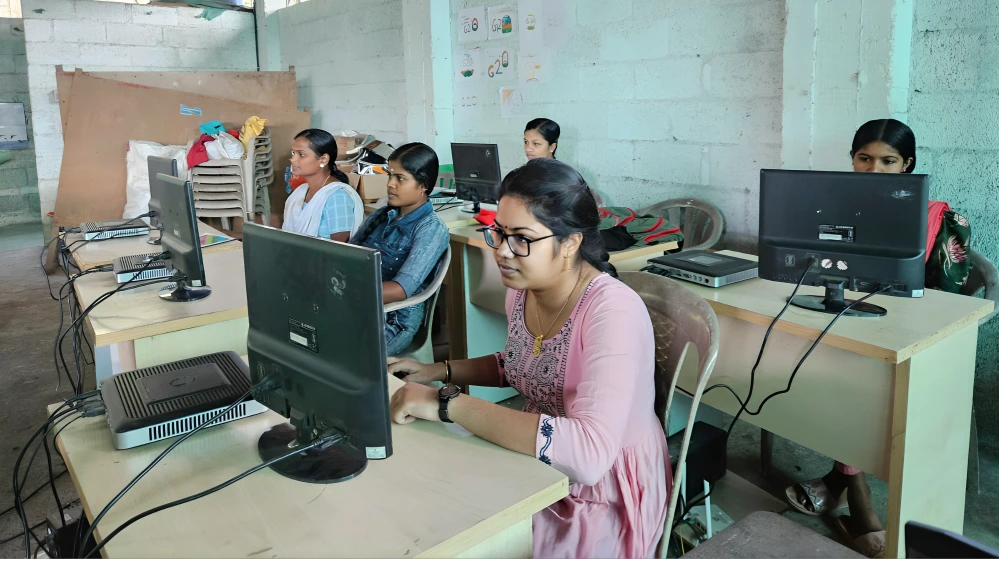
All this exam practice leads to one moment: exam day. Your child will be nervous. That’s normal. But if they’ve analysed their practice tests properly and studied strategically, they’ll also be prepared. Check our tips on night before exam preparation tips to ensure they’re in the best mental and physical state.
Don’t let your child study the night before the exam. They should review their notes, get good sleep, and trust their preparation. This is where all that practice test analysis pays off.
Tools That Make Mock Test Analysis Easier
Managing practice tests, tracking progress, and analysing patterns is a lot of work. It’s why having the right technology matters. Apna PC comes with 8GB RAM and 128GB SSD, powerful enough to run multiple practice test platforms smoothly. Pre-loaded Apni Prerna software lets you monitor your child’s study progress in real time.
At just Rs.30,000 (shipping and GST excluded), Apna PC is an investment in your child’s academic growth. It runs Zorin OS, LibreOffice for assignments, and Scratch for coding projects. But more importantly, it’s a dedicated device for focused study, free from the distractions of smartphones and social media.
When your child takes practice tests on a dedicated study device, they’re practising exactly how they’ll take the real exam. This consistency matters. The familiarity reduces anxiety on exam day.
Your Action Plan Starting Today
Don’t wait for the next practice test to implement these strategies. Start now. If your child has already taken practice tests, go back and analyse them using the three-step process. Identify patterns. Create a focused study plan. Track improvement.
Your child’s practice test score isn’t a prediction of failure or success. It’s a map showing where to study next. Use it that way, and you’ll see real growth. Visit apnapc.com to learn more.