


The Night Before: Rajesh’s Story
Rajesh sat at his kitchen table in Indore, watching his son Aditya frantically flip through textbooks at 11 PM. The Class 10 board exams were starting tomorrow morning. Aditya’s mother had made his favourite aloo parathas, but they sat untouched on the plate. His father kept saying, “Beta, you’ll do well,” but Aditya’s hands were shaking. This scene plays out in thousands of Indian homes every exam season. Good exam preparation the night before can make or break your performance, and most students don’t know what they should actually be doing.
Your preparation doesn’t end the night before your test. In fact, what you do in those final 12 hours will directly impact how your brain performs the next morning. Let’s talk about what really works and what’ll actually hurt your chances.
Smart Exam Preparation: What You Should Do the Night Before
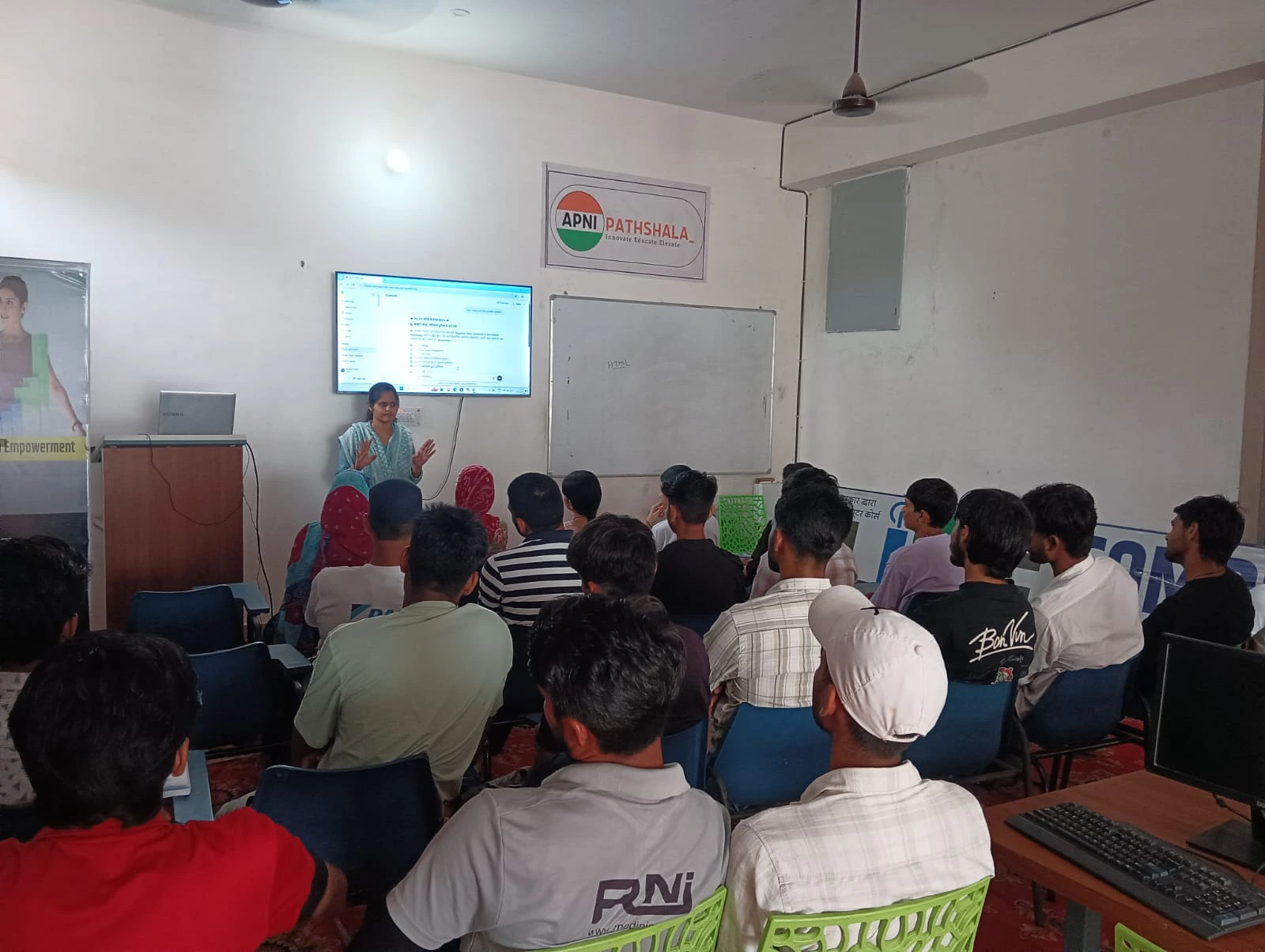
Start your revision early, not late. If you’re beginning at 9 PM, you’re already making a mistake. Your brain needs time to process information. Start your final review by 6 or 7 PM so you can finish by 10 PM at the latest. This gives your mind time to settle before sleep.
Focus on key points, not everything. Don’t try to memorise entire chapters again. Instead, go through your notes and highlight the most important formulas, dates, and concepts. Make quick flashcards if needed. Spend 20-30 minutes on the toughest topics using the 20-minute focus rule that works brilliantly for last-minute studying.
Practice one full mock test. If you can, solve one complete practice paper in exam conditions. This keeps your mind sharp and reminds you of the question pattern. Don’t spend more than 90 minutes on this, though. You’re not learning new things; you’re warming up your brain.
Prepare your exam kit the night before. Gather your admit card, pens, pencils, eraser, and calculator (if allowed). Keep your school uniform ready and ironed. Check the exam centre address and plan your travel route. This removes stress and anxiety the next morning. You’ll feel calmer knowing everything’s ready.
Eat a proper dinner. Have something light but nutritious. Avoid heavy, spicy food that’ll keep you awake or cause stomach issues. Milk with a banana or some rice with dal works well. Your body needs fuel for tomorrow’s mental marathon.
Get proper sleep. This is non-negotiable. Your brain consolidates memories during sleep, which means you’ll actually remember what you studied. Aim for 7-8 hours of sleep before exams. If you sleep at 11 PM, wake up at 6:30 or 7 AM. A well-rested mind performs 30% better than a tired one.
Night Before Exam Mistakes: What You Should Not Do
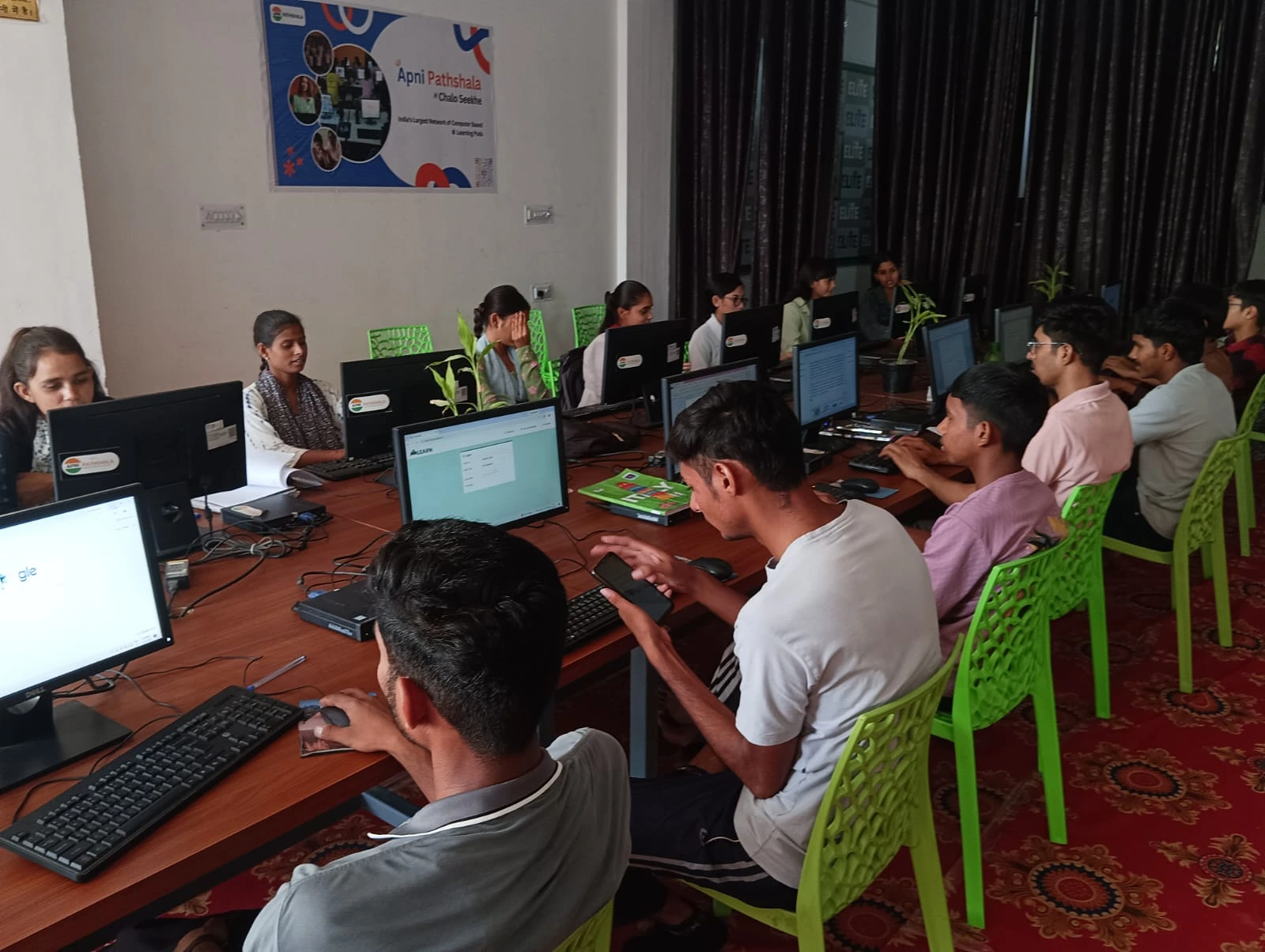
Don’t start studying at 10 PM. Late-night cramming doesn’t work. Your brain is tired, your retention is low, and you’ll wake up groggy and confused. Students who cram the night before often mix up concepts during the exam. It’s better to sleep than to study when you’re exhausted.
Don’t try to learn new topics. The night before is for revision only. If you haven’t studied a topic yet, it’s too late. Trying to cram new material will confuse you and waste precious sleep time. Stick to what you already know.
Don’t use your phone or social media. No scrolling through Instagram or WhatsApp messages. The blue light from your phone disrupts your sleep cycle. Put your phone in another room at least one hour before bed. This is crucial for proper rest.
Don’t drink too much water or tea. Yes, you need hydration, but too much liquid means bathroom trips all night. This breaks your sleep. Have water in the afternoon and evening, but taper off by 9 PM.
Don’t panic or compare yourself to others. Stop thinking about what your classmates studied. Stop worrying about whether you’ve done enough. What’s done is done. Anxiety won’t help you now. Take deep breaths and trust your preparation.
Don’t change your routine dramatically. If you normally sleep at 10:30 PM, don’t suddenly try to sleep at 9 PM. Stick to what your body’s used to. Small changes are fine, but major shifts will disturb your sleep.
Your Exam Preparation Toolkit
The right tools make exam preparation easier. Many students in Tier 2 and Tier 3 cities struggle because they don’t have access to good digital learning resources. Platforms like DIKSHA digital learning platform offer free educational content that you can use for revision. Research from UNESCO education research shows that students with access to quality study tools perform significantly better.
A dedicated study computer can transform your exam preparation routine. Apna PC is designed specifically for students like you. It comes with pre-loaded educational software, 8GB RAM for smooth multitasking, and 128GB SSD storage for all your study materials. The Apni Prerna student monitoring system helps you track your progress and stay focused. At Rs.30,000, it’s an investment in your academic future that pays dividends across all your exams.
The night before your exam should be calm, not chaotic. It’s about trusting yourself and your preparation. Get your materials ready, do a light revision, eat well, and sleep properly. Your exam tomorrow will go well. Visit apnapc.com to learn more.