

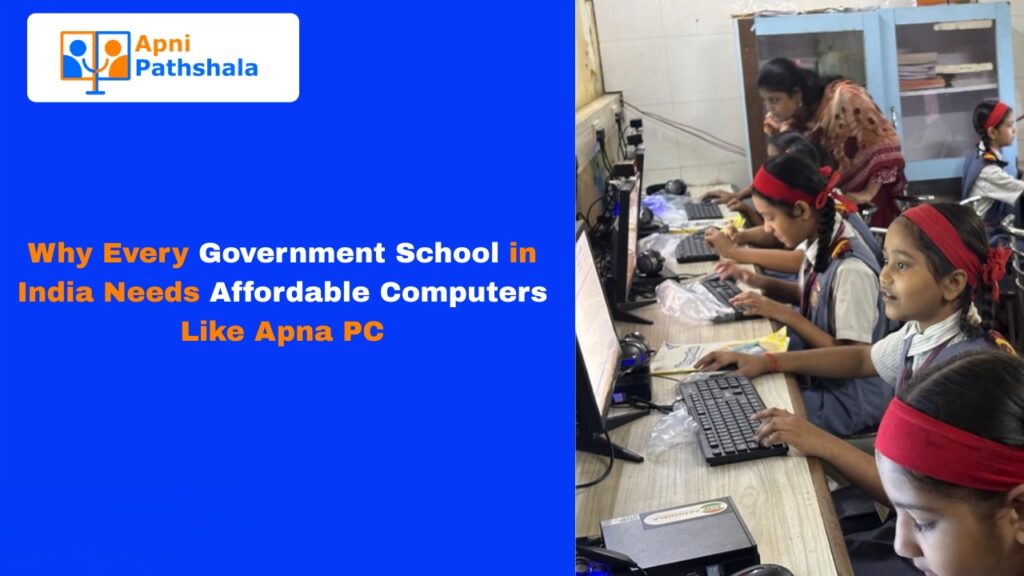
If you’ve visited a government school in a small town or rural area recently, you already know the picture. Overcrowded classrooms, outdated textbooks, and if there’s a computer lab at all, it probably has machines that haven’t worked properly in years. The irony is that these are the schools that need digital tools the most because the students there don’t have computers at home either.
Affordable, reliable computers like Apna PC could genuinely transform what’s possible in these schools. Here’s why this matters and what it would look like in practice.
The Current State of Technology in Government Schools
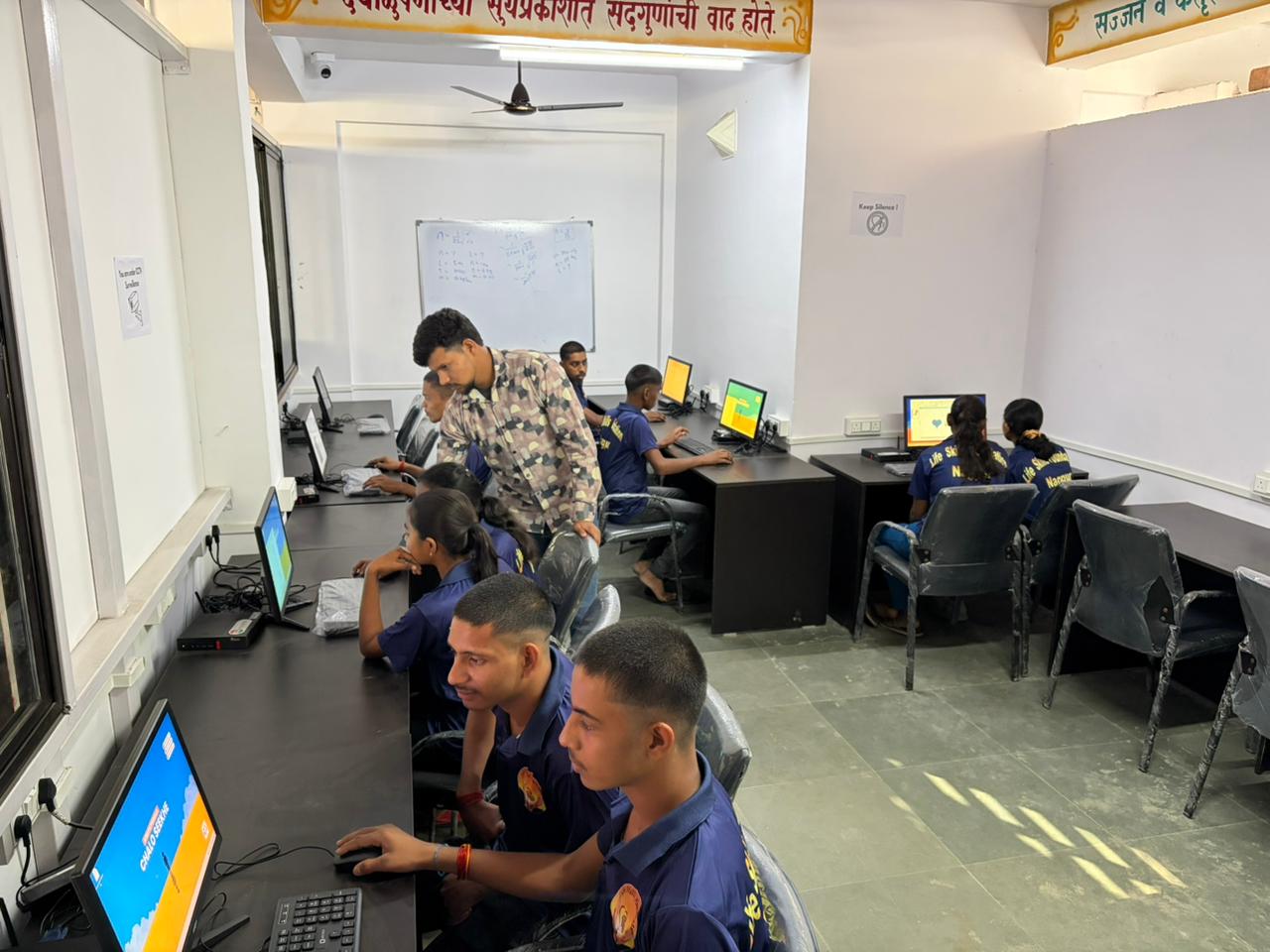
India has made significant investments in school infrastructure over the past decade. But the digital divide inside classrooms is still very real. Many government schools technically have computer labs, yet a large percentage of those labs are either non-functional or grossly underused due to a lack of trained teachers or broken equipment.
Students who go through these schools often reach Class 10 or 12 without ever having typed a paragraph on a keyboard. That puts them at a serious disadvantage when they apply to colleges or jobs that expect basic digital fluency as a baseline skill.
UNICEF’s education data for India shows that children from lower-income households are far less likely to have access to digital learning tools both at school and at home. This creates a compounding effect where the gap grows wider every passing year.
Why Affordable Computers Are the Practical Answer
Brand new computers are expensive. A school that needs 30 computers for a proper lab is looking at a significant budget one that most government schools simply don’t have. Affordable refurbished systems like Apna PC change that equation entirely.
For the price of a few new machines, a school can set up a fully functioning lab with Apna PC systems. These aren’t stripped-down, barely-working devices. They’re properly refurbished, tested, and equipped with the software students actually need: educational tools, typing practice programs, and internet access where connectivity allows.
The value isn’t just in the hardware. It’s in the access to knowledge that each device represents. A student who can sit at a working computer and actually use it productively is a student whose education just got a real upgrade.
What Changes When Students Get Real Computer Access

Teachers who work in schools with functional computer labs will tell you the same thing: students engage differently when they’re using technology. A concept that seemed abstract in a textbook suddenly makes sense when a student can interact with it through a simulation, a video, or even just looking it up themselves.
Beyond academic content, students start developing digital confidence. They learn that technology isn’t scary or complicated it’s a tool, and they can use it. That mindset shift has lasting value far beyond any specific subject they study.
The NCERT’s digital learning guidelines emphasise the importance of practical computer exposure starting from middle school. Yet without affordable hardware, most government schools can’t even begin implementing these recommendations.
The Role of Community and Policy in Making This Happen
This isn’t just about schools buying computers. It’s about a broader shift in how we think about educational infrastructure. Computers should be as essential as textbooks. A school without working digital tools is genuinely under-resourced in 2026.
Programs like Apna PC’s community digital access initiatives are building momentum around exactly this idea. When local communities, schools, and NGOs work together to bring affordable devices into classrooms, the results are tangible and quick.
Parents also play a role. When families understand how much a working computer lab can change their child’s trajectory, they become advocates. They push local authorities, support school management committees, and contribute to solutions. That community energy is powerful and Apna PC is designed to work with it.
A Simple Change With Enormous Impact
Getting affordable computers into every government school in India isn’t a dream. It’s a realistic goal that requires the right partnerships, the right pricing, and the right commitment. Apna PC represents what that solution looks like in practice. Every school that sets up a working lab with these systems is giving its students something they’ve been missing for too long: a fair shot at the future.