

Parent-teacher meetings can be awkward. You sit across from someone who sees your child every day in a context you’re not part of, and they share information you may not know how to interpret or follow up on. Or worse you leave with a vague sense that things are “fine” without any real insight into where your child actually stands.
What if you walked into that meeting already knowing something? Not just general impressions, but specific, useful information about what your child has been working on, where they’ve been spending their learning energy, and what patterns you’ve noticed at home? That’s exactly what Apni Prerna makes possible.
Why Most Parent-Teacher Conversations Fall Short
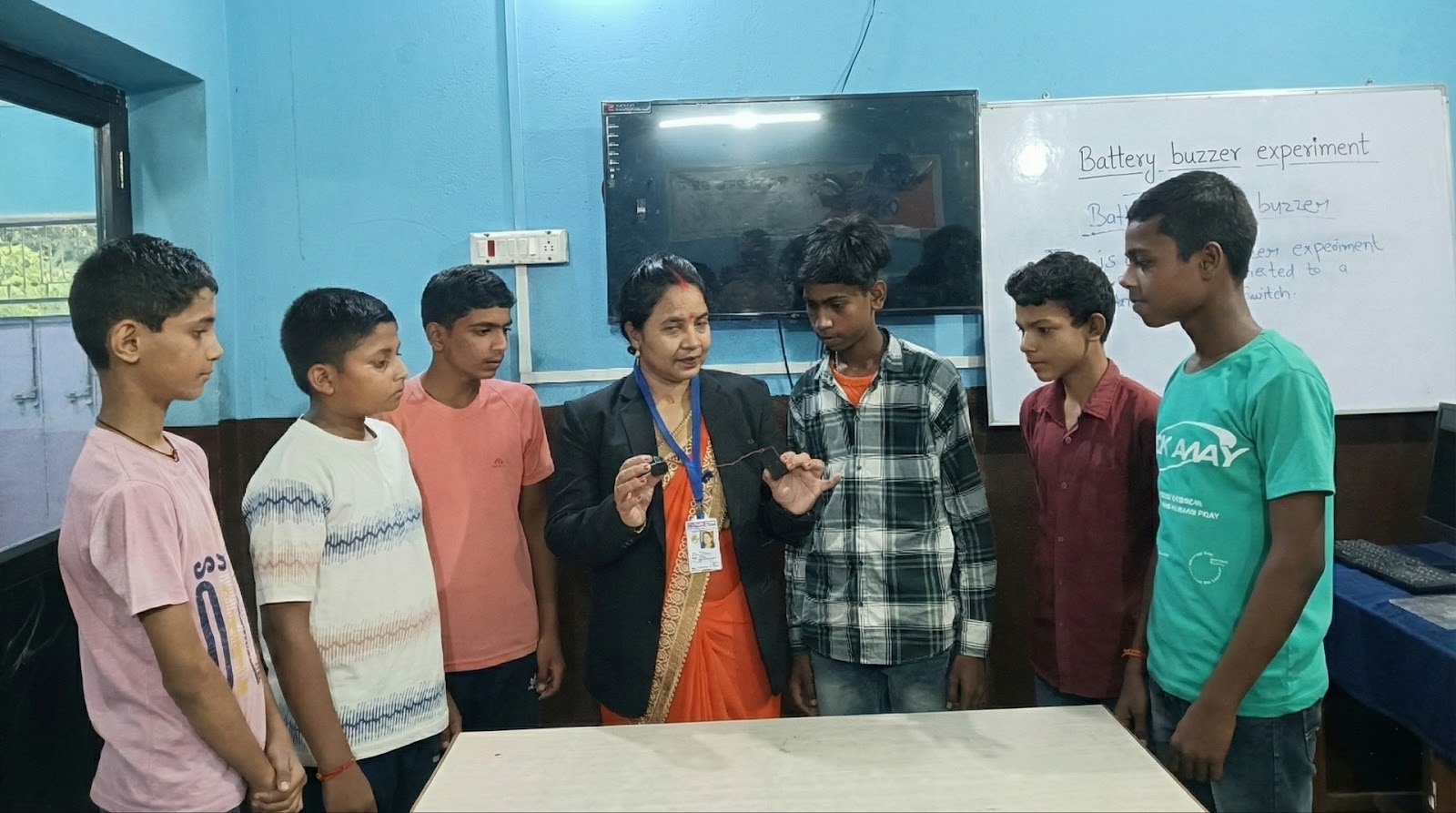
The typical parent-teacher interaction happens on unequal footing. The teacher has seen the child in class, reviewed their work, and formed professional observations. The parent has impressions from home often a child who says “school was fine” and doesn’t share much else.
This information gap means parents often end up in a passive role during these meetings receiving information rather than contributing to a real conversation. And the conversation ends up being mostly about what happened at school, with very little context from what’s happening at home with the child’s learning.
But learning doesn’t only happen at school. A child who struggles with comprehension in the classroom but spends hours reading and writing at home gives a very different picture when both data points are visible. The teacher and parent can only understand that full picture if they’re sharing information from both sides.
What Apni Prerna Reports Contain
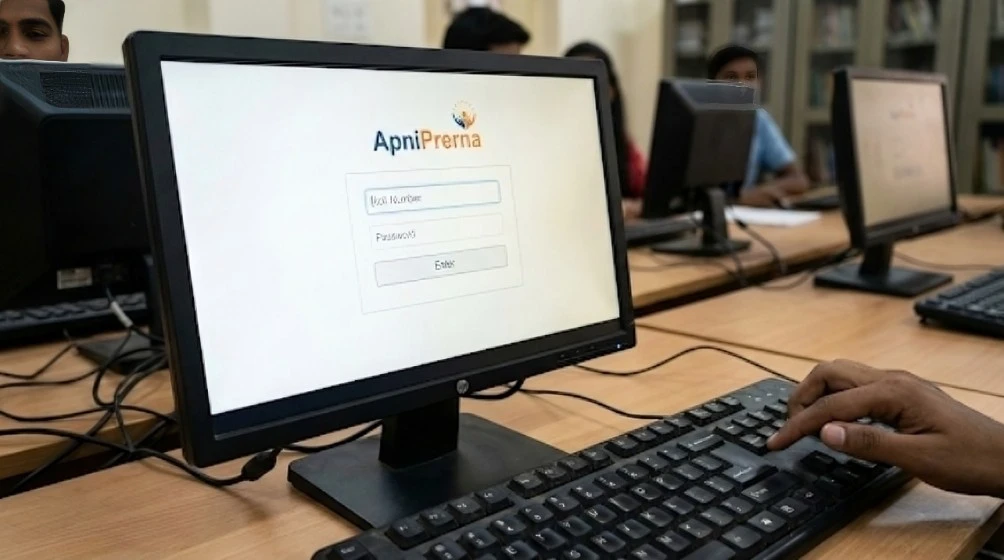
Apni Prerna generates reports on student learning activity what subjects a child engaged with, how long they spent on different types of content, what kinds of exercises they worked through, and patterns over time. This isn’t surveillance data. It’s learning data, focused specifically on educational activity.
When a parent brings this data to a parent-teacher meeting, it adds a whole new dimension to the conversation. “At home, I’ve noticed she spends a lot of time on science content but hasn’t touched the language module in weeks” is a specific, useful observation. A teacher can do something with that check whether the same pattern shows up in class, adjust assignments, or suggest specific resources.
Without that data, the same parent might only be able to say “she seems okay at home” which doesn’t give the teacher much to work with.
Turning Data Into Productive Dialogue
The goal isn’t to overwhelm a teacher with charts and numbers. It’s to show up with something real to contribute. Even sharing one or two observations from Apni Prerna reports can shift the dynamic of the meeting significantly.
“I noticed her learning app activity has dropped a lot in the past month has that been reflected in class too?” opens a real conversation. It gives the teacher information they may not have had and invites them to connect it to what they’re seeing from their side.According to UNICEF’s research on family engagement in education, students perform significantly better when their parents and teachers share consistent, specific information about the child’s learning rather than communicating only through formal assessments. Apni Prerna makes that kind of ongoing data sharing practical for everyday families.
When Home Data and School Data Align or Don’t
Sometimes the reports confirm what the teacher is already seeing. A student who’s disengaged in class and also barely using their learning tools at home is sending a consistent signal something might be going on that needs attention beyond academic support.
Other times, the home picture is very different from the school picture. A student who acts uninterested in class but is spending significant time exploring topics at home might be bored, not disengaged. Or a student who participates well in class but shows almost no independent learning at home might be very dependent on teacher support and struggling to work alone.
Both of those mismatches are valuable to know. Neither would be visible without data from both environments.
Building a Real Partnership
The NCERT’s framework for family involvement in education emphasises that meaningful parent-teacher partnerships require both sides to bring real information to the table. Apni Prerna helps parents do exactly that and turns what might otherwise be a one-way briefing into a genuine two-way conversation about a child’s learning.
Read more about how Apni Prerna creates clarity and trust in digital learning across the whole ecosystem students, parents, and teachers working together with a clearer picture of what’s actually happening in a child’s education.
When parents and teachers talk to each other with real data behind them, the conversation changes. It becomes specific, actionable, and genuinely useful for the one person the meeting is actually about: the student.