

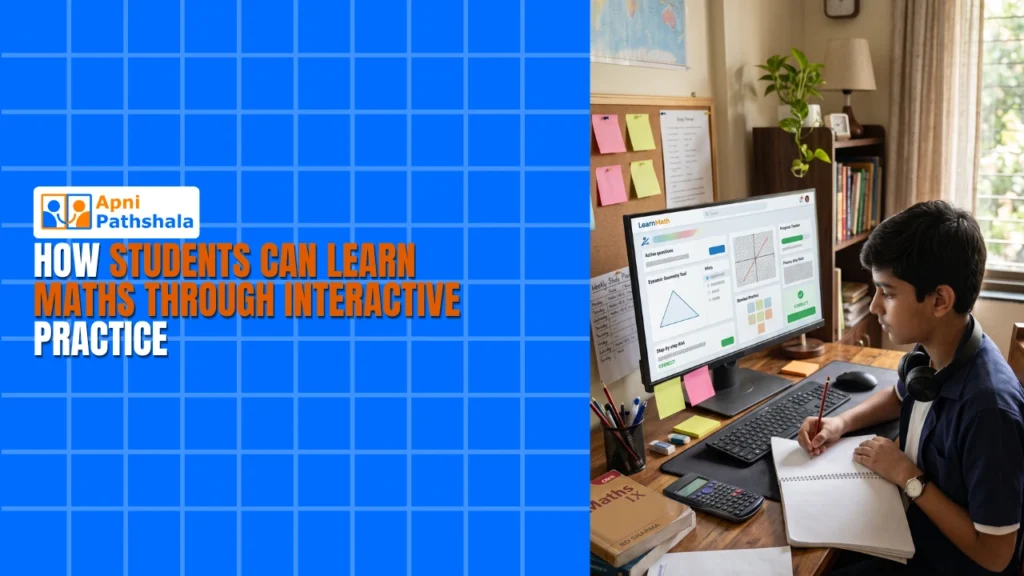
Ravi’s Struggle With Numbers
Ravi is twelve years old. He sits in a small room in Indore with his mother, staring at his maths notebook. The numbers don’t make sense. His mother, Priya, works as a tailor and can’t afford a tuition teacher. She watches her son’s frustration grow every evening, knowing that traditional maths practice methods aren’t working for him. Last month, she heard about interactive digital learning and decided to explore a different path.
This is the story of thousands of families in Tier-2 and Tier-3 cities across India. Your child might be facing the same struggle right now. The good news is that maths practice doesn’t have to mean sitting alone with textbooks. Interactive computer-based practice is changing how students learn mathematics, making it engaging, personal, and effective.
Why Traditional Maths Practice Isn’t Enough?
Your child’s maths textbook teaches concepts, but it doesn’t adapt to your child’s pace. When a student gets stuck on fractions, they often fall behind the rest of the class. Traditional maths practice relies on repetition without feedback, leaving gaps in understanding.
Interactive digital maths learning changes this completely. Your student practices at their own speed. They get instant feedback when they make mistakes. They can retry problems without feeling embarrassed. This personalised approach builds confidence and real understanding.
According to the India Ministry of Education, digital learning tools are essential for bridging gaps in mathematics education across smaller cities. The Digital India initiative has pushed schools to adopt technology-based learning, but many homes still lack access to proper tools.
How Maths Practice Works With Interactive Tools
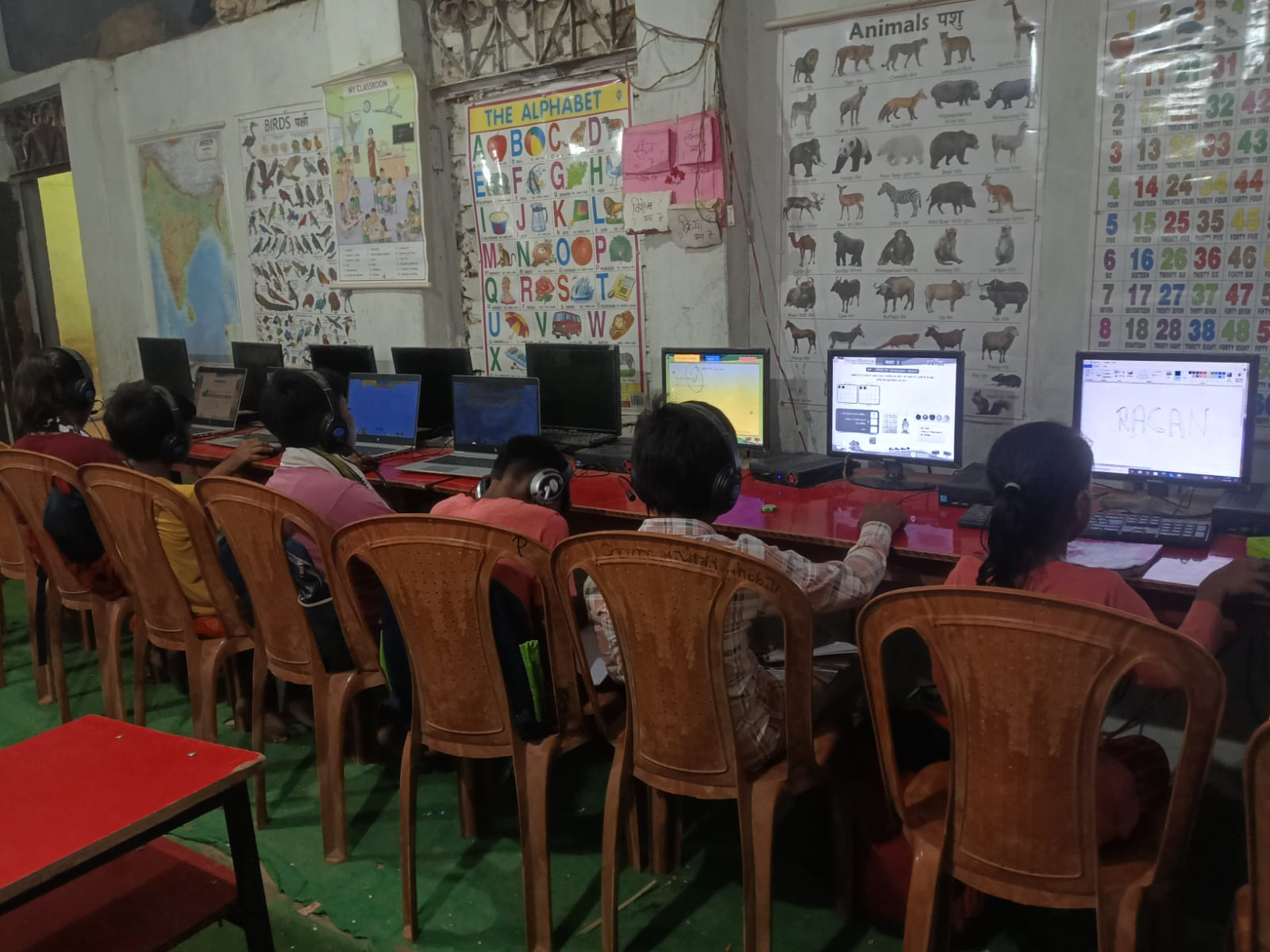
Interactive maths practice platforms present problems one at a time. Your child solves, submits, and gets immediate results. If the answer is wrong, the system shows where the mistake happened. This instant feedback is crucial because it helps your student correct their thinking right away, not days later in class.
The best platforms track progress too. You can see which topics your child has mastered and which ones need more work. This data helps you better support your student. You’re no longer guessing about what your child understands.
Gamification makes maths practice fun. Points, badges, and progress bars motivate students to practice more. Your child stops viewing maths as a chore and starts enjoying the challenge. This shift in attitude is often the turning point for struggling students.
Building Problem-Solving Skills Through Digital Maths
Maths isn’t just about getting the right answer. It’s about understanding how to solve problems. When your child practices maths interactively, they develop real problem-solving abilities. They learn to break down complex questions into smaller steps.
A good children problem solving skills computer platform guides students through their thinking process. It doesn’t just tell them the answer. It asks guiding questions that help your child figure it out themselves. This method builds lasting skills that your student will use throughout their education.
Your child also learns from mistakes in a safe environment. There’s no teacher watching or classmates laughing. Your student can experiment, fail, and try again without fear. This psychological safety is essential for deep learning.
What You Need to Start Maths Practice at Home
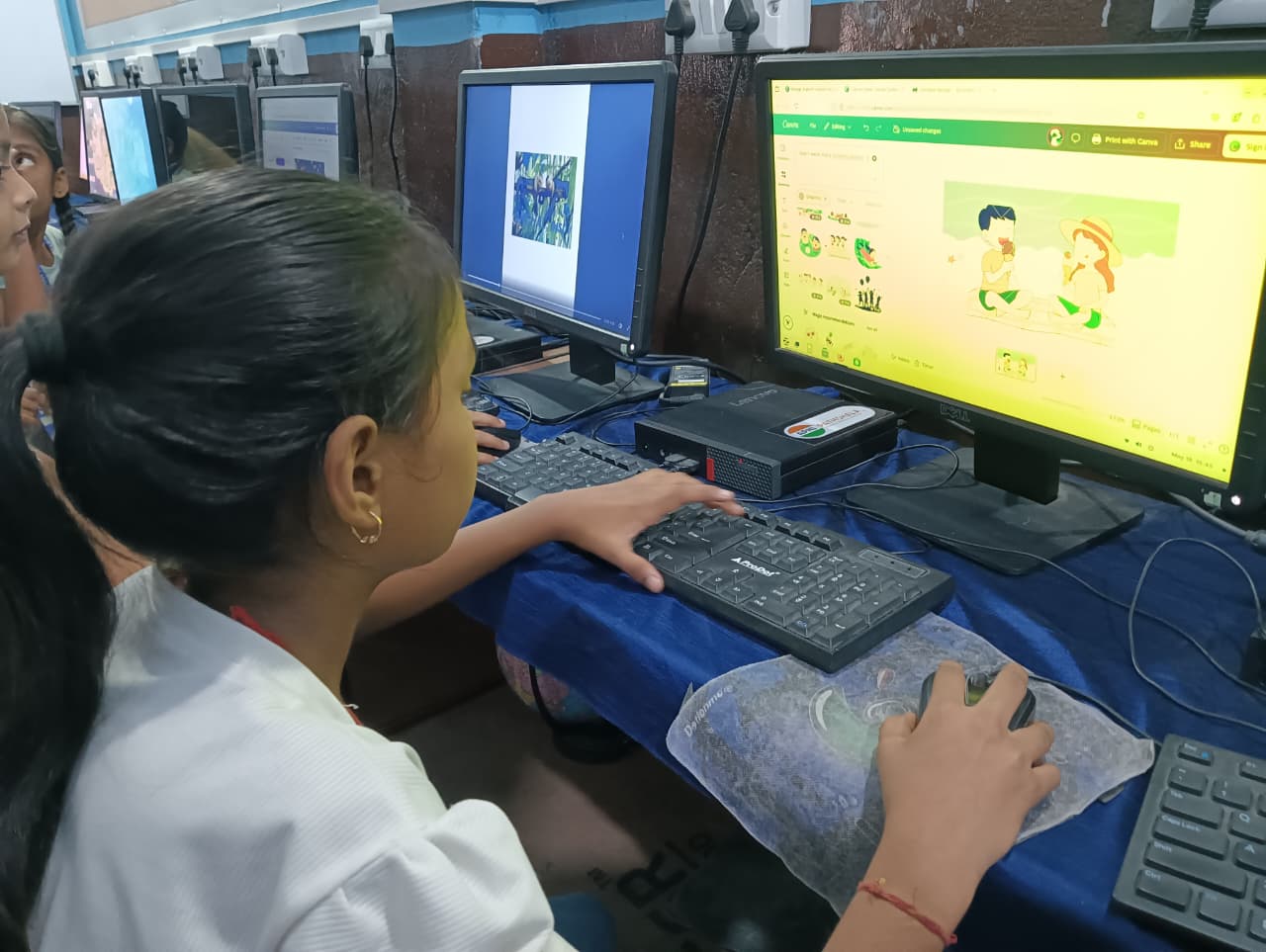
You don’t need expensive technology. A simple, reliable computer works perfectly for interactive maths learning. Your device needs to be fast enough to run educational software smoothly. It should have enough storage for offline learning resources.
Apna PC is designed exactly for this purpose. It’s an educational computer designed for Indian families in Tier-2 and Tier-3 cities. At Rs.21,000 (shipping and GST excluded), it’s affordable for most households. The device comes pre-loaded with everything your child needs: Zorin OS, Apni Prerna for student monitoring, LibreOffice, and Scratch for coding.
The 8GB RAM and 128GB SSD ensure smooth performance. Your child won’t face lag or delays while practising maths. The system runs reliably even during power fluctuations common in smaller cities. It’s built to last and serve your family for years.
Creating a Maths Practice Routine That Works
Consistency matters more than intensity. Your child should practice maths for 20-30 minutes daily rather than cramming for hours on weekends. Short, regular sessions build habits and keep concepts fresh in memory.
Set a specific time for maths practice. Make it part of your child’s daily routine, like brushing teeth. This removes the decision-making and builds discipline. Your student knows exactly when to sit down and practice.
Start with topics your child finds easiest. This builds confidence before tackling harder concepts. Your child should feel successful early on. Success motivates more practice, creating a positive cycle.
Use the monitoring features available in your system. Computer for education learning foundation platforms often include parent dashboards. You can see your child’s progress, time spent, and problem areas. This helps you provide targeted support.
Real Results From Maths Practice
Students who practice maths interactively show measurable improvement. Their test scores go up. More importantly, their confidence grows. They stop dreading maths class and start participating actively.
Your child also develops independent learning skills. They learn to troubleshoot problems themselves. They become comfortable with technology. These skills will serve them well in higher education and careers.
Parents report that home stress decreases significantly. When your child understands maths better, homework time becomes less of a battle. Your evenings become more peaceful. Your child’s overall attitude toward school improves.
Taking the First Step
You don’t need to be tech-savvy to help your child with maths practice. You just need a reliable computer and good educational software. The technology handles the teaching. Your role is to encourage consistency and celebrate progress.
Your child’s future depends on strong fundamentals in maths. Interactive maths practice builds these foundations better than traditional methods alone. It’s time to give your student this advantage. Visit apnapc.com to learn more.