


Rajesh sat across from his son Arjun at their small dining table in Indore, watching him struggle through a history textbook. The boy was fourteen, bright, but something was wrong. He could answer questions when Rajesh read them aloud, but when Arjun tried reading on his own, he’d skip paragraphs, miss key details, and complain that his eyes hurt after ten minutes. “Beta, you need to learn how to read properly before college,” Rajesh said, worried. That conversation changed everything.
Why Reading Practice Matters More Than You Think?
Reading practice isn’t about speed. It’s about understanding. Many students in Indian schools learn to decode words but not to comprehend them. They read a paragraph three times and still can’t tell you what it meant. This happens because they never developed the habit of active reading or learned research skills in a structured way.
- Vocabulary grows naturally. New words appear in context, making them stick in memory far better than memorising lists.
- Attention span increases. Reading for 15 minutes becomes 30 minutes, then an hour. This directly helps during long exam hours.
- Comprehension deepens. Your child starts asking questions while reading instead of just moving eyes across the page.
- Research becomes easier. A student who reads well can skim sources, identify relevant information, and synthesise ideas from multiple texts.
Building Research Skills Before College Arrives
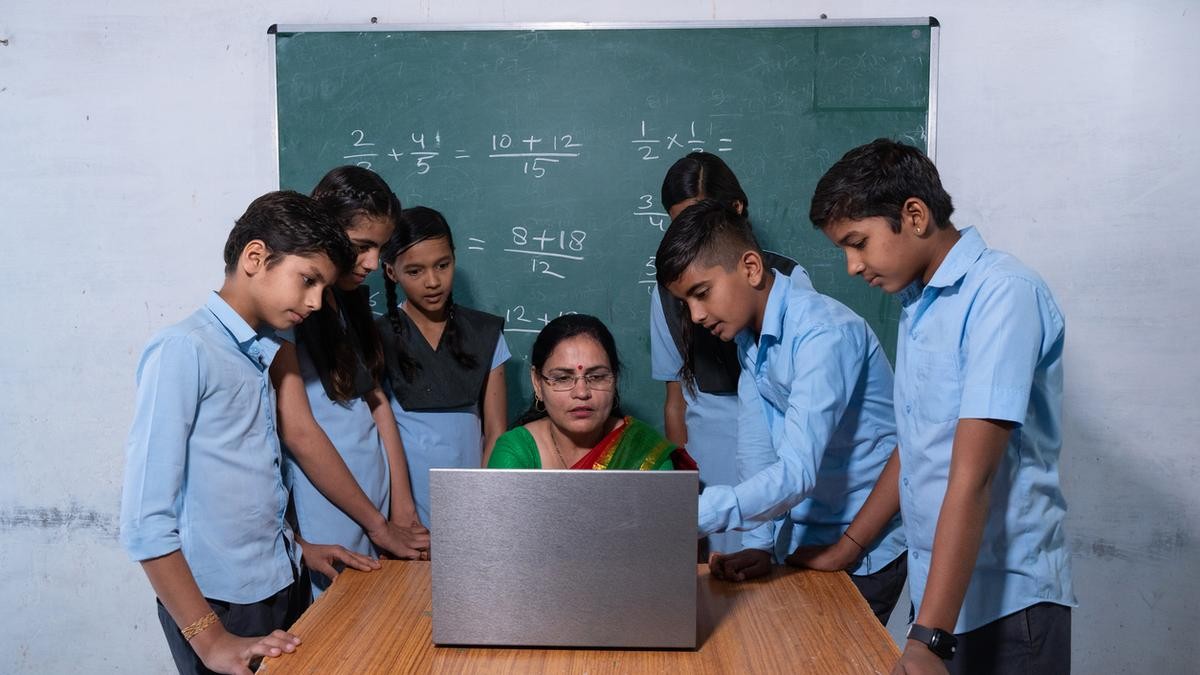
College professors assume students know how to research. They don’t teach you how to find reliable sources, evaluate information, or organise your findings. That skill gap creates panic in first-year students who suddenly need to write research papers without guidance.
Your student needs to start building research skills now, in school. This means learning to use digital tools, access resources like the DIKSHA digital learning platform, and understand the difference between reliable and unreliable sources. Reading practice feeds directly into this. A student with strong reading skills can quickly process multiple sources and extract what matters.
How Technology Supports Reading and Research Development
A computer designed for students changes everything. Apna PC comes with 8GB of RAM and a 128GB SSD, enough to run multiple educational applications smoothly. Your child can read from digital texts, highlight important passages, take notes in LibreOffice, and organise their research without switching between different devices or apps.
The system runs Zorin OS, a user-friendly operating system that keeps distractions to a minimum. Apni Prerna, the student monitoring feature, helps parents track study time and ensure your child focuses on actual learning rather than wasting hours online. Scratch, the programming tool included, also builds logical thinking and problem-solving skills that support research work.
What Parents Can Do Right Now?
Start small. Ask your child to read one article per day on a topic they’re interested in. Have them summarise it in their own words. Encourage questions. Build a routine where reading practice happens at the same time each day, just like meals.
Provide the right tools. A dedicated learning computer removes the temptation to switch to games or social media. Apna PC, priced at Rs. 21,000 (excluding shipping and GST), is designed exactly for this purpose. It’s affordable for families in Tier-2 and Tier-3 cities and comes ready to use for learning.
Connect with your child’s school. Check what resources they recommend. The India Ministry of Education promotes digital learning initiatives that complement classroom teaching. Many of these resources work perfectly on systems like Apna PC.