

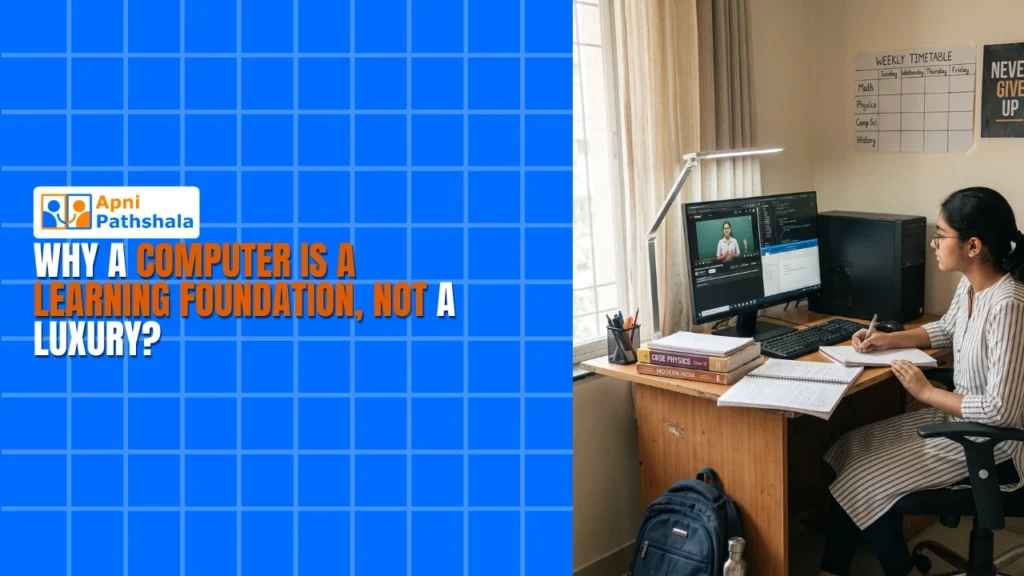
Rajesh’s Daughter Couldn’t Keep Up. Then Everything Changed.
Rajesh sat in his small grocery shop in Indore, staring at his daughter Priya’s report card. She was bright, curious, always asking questions. But her marks in computer class were slipping, and her teachers kept mentioning “digital access” as the reason. At home, there was no computer for education. Priya shared an old laptop with her two brothers, and it crashed every other week. Rajesh felt trapped between wanting the best for his daughter and the weight of his monthly expenses. He wasn’t alone. Thousands of parents in Tier-2 and Tier-3 cities across India face this exact dilemma every single day.
A computer for education isn’t a luxury item gathering dust in your living room. It’s the foundation your child needs to compete, to learn, and to build a future in an increasingly digital world. Let’s talk about why.
Why Your Child Needs a Learning Device Right Now?
The gap is real, and it’s widening. According to the Education in India data, students without regular access to computers fall behind in multiple subjects, not just computer classes. Math becomes harder when you can’t use educational software. Science loses its interactive edge. Languages feel disconnected from real-world applications.
Your child’s peers in metro cities are already ahead. They’re learning coding through Scratch. They’re accessing online tutorials. They’re completing projects that require a student computer. Your child doesn’t need to be left behind because of geography or budget constraints.
A learning device does something powerful. It puts your child in control of their own education. Instead of waiting for the teacher to demonstrate something in class, your child can explore, experiment, and learn at their own pace. This builds confidence. This builds real learning.
The Real Cost of Waiting
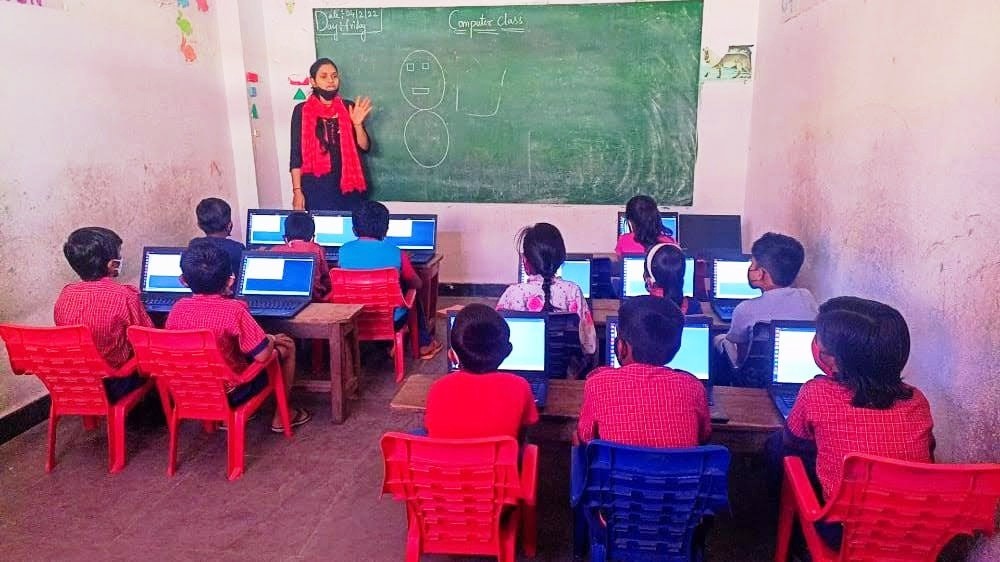
You might think you’ll buy a computer later. When finances improve. When your child reaches high school. That’s a mistake many parents make, and they regret it.
- Your child falls behind in fundamentals. Digital literacy isn’t just about using a keyboard. It’s about understanding how technology works, how to solve problems using software, and how to research and verify information. These skills compound over years.
- Confidence takes a hit. When every other student in class knows how to use a computer, and yours doesn’t, shame creeps in. Your child stops raising their hand. They stop participating in group projects.
- Career options narrow. Whether your child wants to become an engineer, a designer, a teacher, or an entrepreneur, digital access matters. Starting early isn’t optional anymore.
The government’s Digital India initiative recognised this years ago. They know that digital access is foundational to India’s future. Your family shouldn’t wait for government programs to catch up in your city. You can act now.
What Makes a Computer for Education Different?
Not every computer works for learning. Your child doesn’t need a gaming machine or a fancy laptop. They need something built specifically for education. Something that’s affordable, reliable, and comes with the right tools already installed.
Apna PC is exactly that. At Rs. 21,000 (excluding shipping and GST), it’s positioned right where families in tier-2 and tier-3 cities can actually afford it. It comes pre-loaded with Zorin OS, a clean and intuitive operating system. It has 8GB of RAM and a 128GB SSD, which means your child can run multiple programs without lag, save their projects without worry, and work smoothly for years.
But the real power is in what’s pre-installed. LibreOffice for creating documents and presentations. Scratch for learning coding visually and having fun. Apni Prerna, which helps you monitor your child’s learning progress and understand what they’re studying. This isn’t just a computer. It’s a complete learning ecosystem.
You’re not buying hardware. You’re buying your child’s digital foundation. You’re saying yes to their future.
How to Create a Learning Environment Around Your Computer
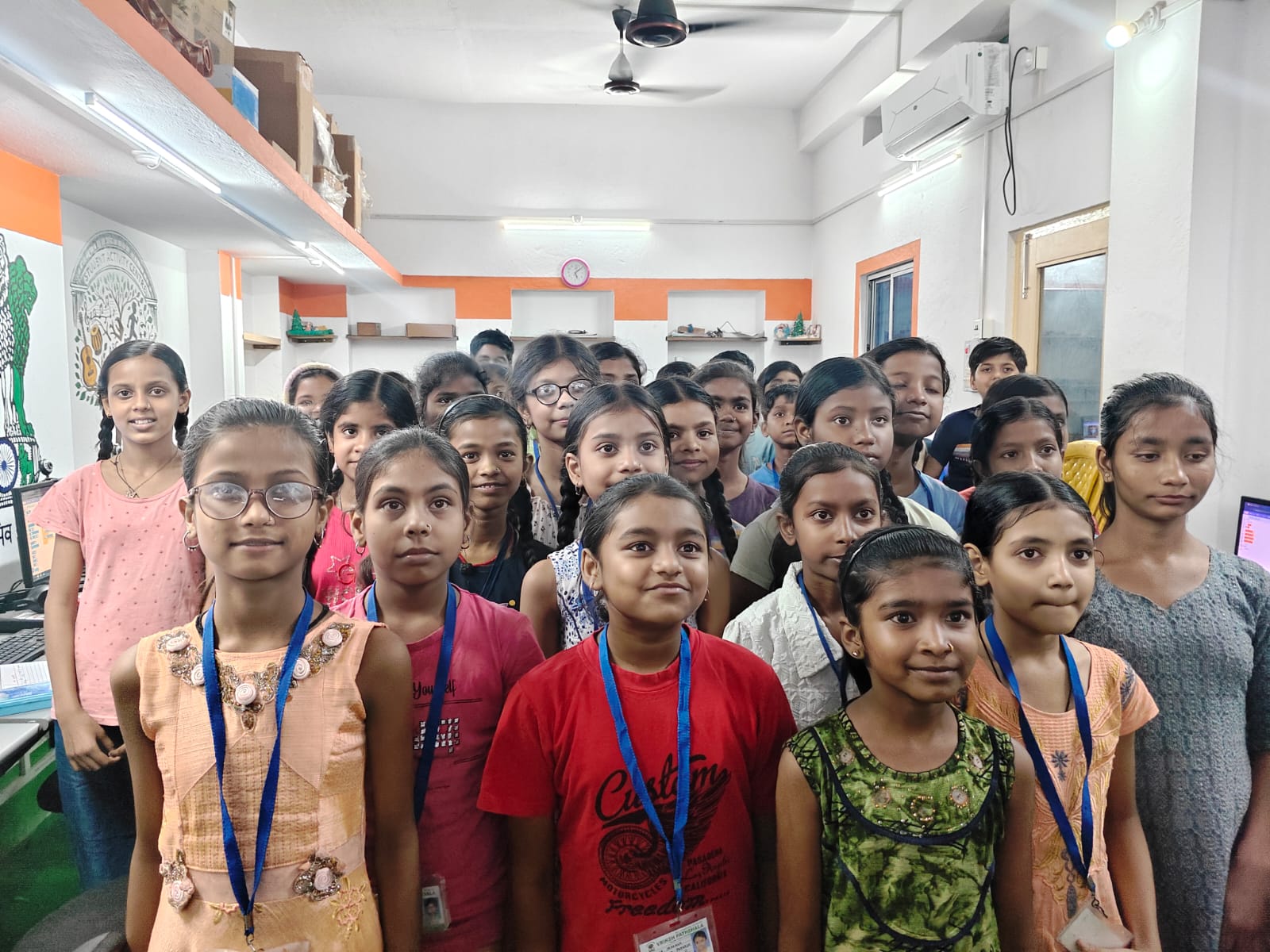
Buying a computer is step one. Using it effectively is step two, and it matters just as much. Learn how parents can create a learning environment around a computer so your child actually benefits from it.
Set boundaries. Your child shouldn’t be on social media all evening. But they should have dedicated time to explore educational content, complete assignments, and work on projects. This is where digital access becomes digital learning.
Be involved. Ask your child what they’re learning. Watch them code in Scratch. Help them understand that a computer is a tool for creation, not just consumption. Your involvement signals that this matters.
Connect it to their interests. If your child loves animals, help them find educational content about wildlife. If they’re curious about space, guide them toward astronomy projects. A learning device works best when it connects to what your child actually cares about.
Building Academic Independence
Here’s something parents don’t always realise. When your child has their own computer for education, they start becoming independent learners. They can’t always raise their hand in class. They can’t always wait for you to explain something. So they learn to search, to experiment, to figure things out.
This skill, this independence, is what actually matters in higher education and careers. Your child who has a learning device early develops problem-solving habits that stick with them forever. Discover how a computer builds academic independence in students.
What About Your Budget?
You’ve probably looked at computer prices. You’ve seen laptops starting at Rs. 40,000, Rs. 60,000, and beyond. You’ve thought, “I can’t afford this.” That’s where you’re wrong.
Apna PC at Rs. 21,000 isn’t a compromise. It’s a smart choice. It’s built by Apni Pathshala, an organisation that understands what students in India actually need. Not flashy specs. Not unnecessary features. Just solid, reliable hardware with educational software pre-loaded.
Think of it this way. You spend money on your child’s tuition, books, and coaching. You invest in their education constantly. A computer for education is one of the highest-return investments you can make. Your child uses it for homework, projects, coding practice, online classes, and research. Every single day, for years.
That’s not a luxury. That’s a foundation.
Priya’s Story Doesn’t End There
Let’s go back to Rajesh. After he bought a computer for Priya’s education, things changed. She stopped falling behind in computer class. She started exploring coding. She built a simple project in Scratch and showed it to her class. Her confidence grew. Her marks improved. But more importantly, she began to believe in herself.
Her brothers also started using it for their homework. The computer became the centre of their learning at home. Rajesh realised that his investment wasn’t just about one subject or one child. It was about his family’s future.
Your family’s story can be similar. Your child doesn’t need to be left behind because you live in a tier 2 or tier 3 city. Your child deserves digital access. Your child deserves a learning device that actually works. The question isn’t whether you can afford it. The question is whether you can afford not to.
A computer for education is the foundation your child needs to compete, to learn, and to thrive. Apna PC makes that foundation affordable and accessible for families like yours. Visit apnapc.com to learn more.
2 Responses
nice blog
Thank you!