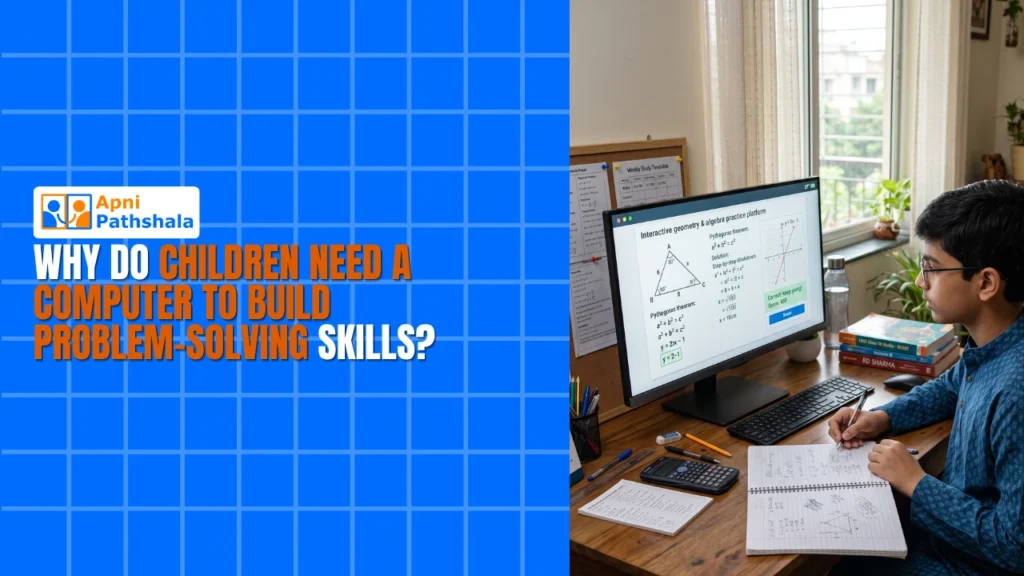
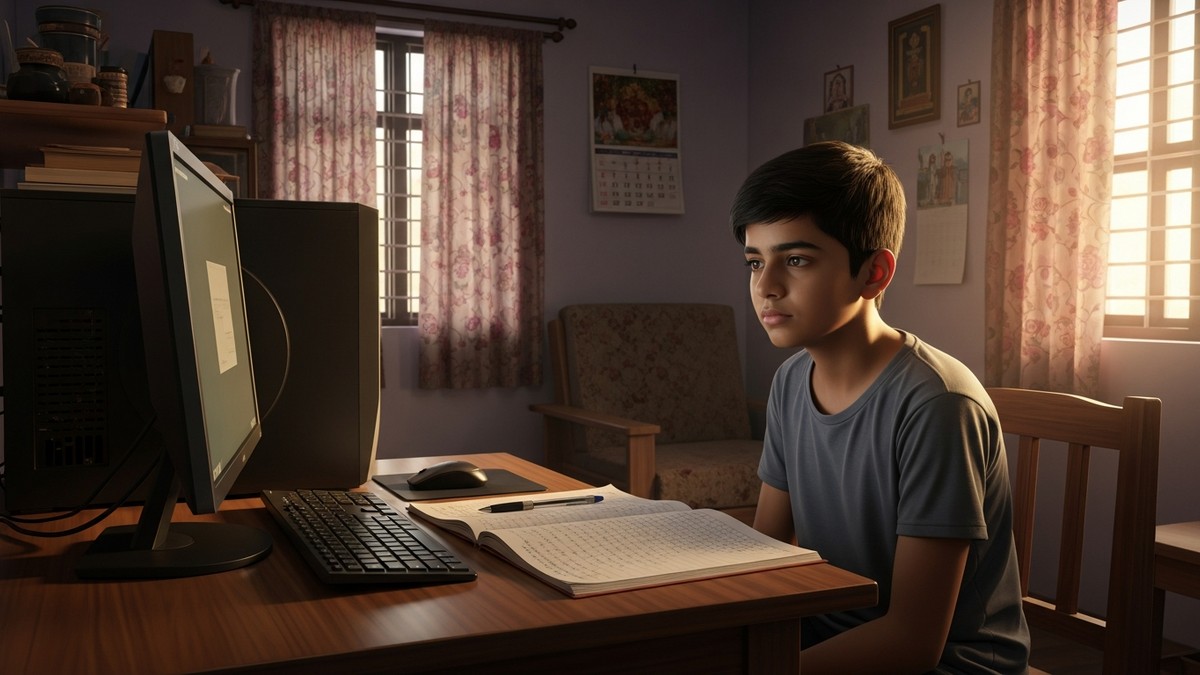
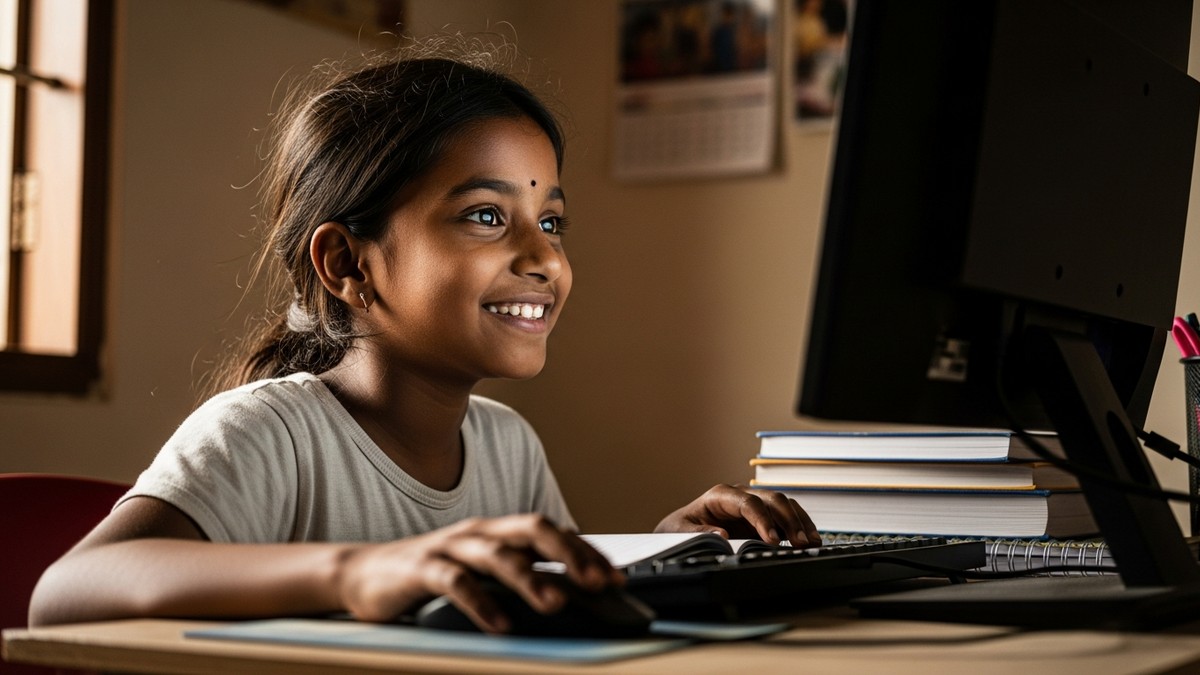
Building problem-solving skills is one of the most important things you can do for your child’s future. Last month, Meera sat in her small living room in Indore, watching her 10-year-old son Ravi struggle with his math homework. He’d been stuck on the same word problem for twenty minutes, getting frustrated, ready to give up. She called him over to their old laptop, opened a simple drawing program, and asked him to draw what the problem was asking. Within five minutes, Ravi had sketched it out, seen the answer himself, and moved on. That moment shifted something for Meera. She realised her son didn’t just need answers. He needed a way to think through problems differently. Building problem-solving skills early would change everything for him.
If you’re a parent in a Tier 2 or Tier 3 city, you’ve likely felt what Meera felt. Your child’s school teaches them facts, but does it teach them how to think? Does it teach them to break down hard problems into smaller pieces? These skills matter more than ever in today’s world. And a computer isn’t just a distraction or a gaming device. It’s one of the best tools your child can use to develop the thinking skills they’ll need for life.
Why Problem-Solving Skills Matter More Than You Think?
Your child will face problems their entire life. In school, at work, in relationships, in unexpected situations. The students who succeed aren’t always the ones with the best memory. They’re the ones who can think through a challenge, try different approaches, and find a way forward. This is problem-solving, and it’s a skill that’s becoming more valuable every year.
According to learning research, children who engage with computers for educational purposes develop stronger logical thinking abilities. They learn to break complex tasks into steps. They learn to test ideas and see what works. They learn to keep trying when something doesn’t work the first time.
Critical thinking: Your child learns to ask questions and analyse information rather than just accept it.
Creativity: A computer lets your child experiment with ideas without fear of permanent failure.
Persistence: When coding or building something digital, your child learns that mistakes are just part of the process.
Collaboration: Many digital tools enable children to work together on projects, fostering teamwork.
The truth is, problem-solving skills can’t be taught through lectures alone. They need to be practised, tested, and refined. A computer gives your child a safe space to do exactly that.
How Digital Learning Builds These Skills
You might wonder how staring at a screen actually helps your child think better. The answer is in what they’re doing on that screen. There’s a big difference between scrolling through social media and using digital learning tools to build students’ skills.
When your child uses programs like Scratch, they’re not just playing. They’re learning to write instructions, test them, fix them when they don’t work, and try again. Every step involves problem-solving. They’re thinking like engineers, like scientists, like creators. This is completely different from passive learning.
Compare this to mobile learning vs computer learning. A phone screen is small, distracting, and designed to grab attention. A computer screen gives your child space to focus on real work. A computer has tools built for creation and learning, not just consumption.
Your child can also work at their own pace. If they don’t understand something, they can go back, try again, and experiment. This builds confidence through computer learning. They’re not worried about a teacher moving on to the next topic. They’re in control of their learning.
The Role of Your Child’s Computer Setup
Here’s something important: not every computer is the same. Your child needs a computer that’s actually designed for learning, not just playing games or watching videos. The setup matters when it comes to developing strong thinking skills.
A good educational computer comes with the right software pre-loaded. Think about what your child actually needs. They need a clean operating system that won’t distract them. They need tools for coding, writing, and creating. They need a way for you to monitor their progress without being intrusive. They need enough power to run educational software smoothly, without lag that breaks their focus.
The Apna PC from Apni Pathshala is built exactly for this. It comes with Zorin OS, a clean, student-friendly operating system. It has Scratch pre-loaded, so your child can start coding immediately. It includes LibreOffice for document and presentation work. It has Apni Prerna, which lets you see what your child is learning without hovering over their shoulder. With 8GB RAM and 128GB SSD, it runs smoothly without the frustration of waiting for programs to load. At Rs.21,000 (excluding shipping and GST), it’s built for Indian families who want their child to have a real learning tool.
How This Connects to Academic Independence
There’s another benefit you might not have considered. When your child uses a computer for learning, they begin to become an independent learner. They learn how computers build academic independence by letting them explore, make mistakes, and find solutions on their own.
This is huge. Instead of always asking you for help, your child learns to search for answers, test solutions, and build confidence in their own thinking. This independence carries over into everything they do, strengthening their ability to tackle challenges across every subject.
Connecting to India’s Digital Future
India is moving fast into the digital age. The Digital India initiative is expanding access to technology across the country. Your child will grow up in a world where digital skills aren’t optional. They’re essential. By giving your child a computer now, you’re not just helping them with homework. You’re preparing them for the future.
Problem-solving skills built through digital learning will help your child in engineering, medicine, business, design, or any field they choose. These skills are universal and valuable everywhere.
Start Building Problem-Solving Skills Today
You don’t need to wait for a special moment or save up for years. Your child needs a learning computer now, while they’re still forming their thinking habits. Every month they spend learning to solve problems digitally is a month they’re building skills that’ll last their entire life.
Your child deserves more than just schoolbooks and worksheets. They deserve a tool that lets them think, create, experiment, and grow. Apna PC gives you exactly that. Visit apnapc.com to learn more.