

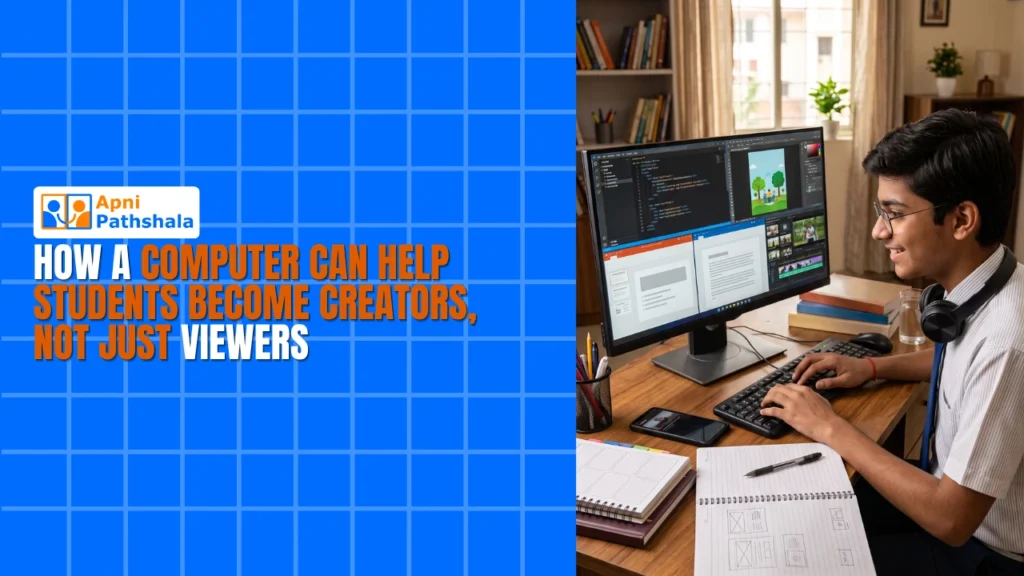
From Passive Viewing to Active Creation: Asha’s Story
Asha sat in her small room in Indore, scrolling through YouTube videos for the fifteenth time that day. Her mother, Priya, watched from the doorway with worry creasing her forehead. It was 2023, and Asha was twelve years old, spending six hours daily consuming content but creating nothing. Priya knew something had to change. She’d heard about computers that could teach creator skills, not just enable endless watching. That’s when she discovered Apna PC.
Today, six months later, Asha doesn’t just watch videos. She makes them. She’s learned digital creation through Scratch, built her first animation, and recently presented a school project that impressed her teachers. Asha isn’t alone. Thousands of students across Tier 2 and Tier 3 Indian cities are discovering that the right computer can transform them from passive viewers into confident creators.
Why Creator Skills Matter More Than Ever?
Your child’s future won’t be built on watching. It’ll be built on making, thinking, and solving problems. These skills aren’t just fancy add-ons to education. They’re essential survival tools in a digital world. When your child learns to code, design, write, or produce content, they’re not just learning software. They’re learning how to think.
The Digital India initiative has pushed millions of devices into Indian homes, but most families don’t know how to use them for real learning. A computer sitting idle or used only for social media is a missed opportunity. Your child could be developing problem-solving abilities instead.
Think about what employers want. They don’t want people who can consume information. They want people who can create solutions. When your child learns digital creation early, they’re building confidence that’ll carry them through school, college, and their careers.
What Digital Creation Actually Looks Like?
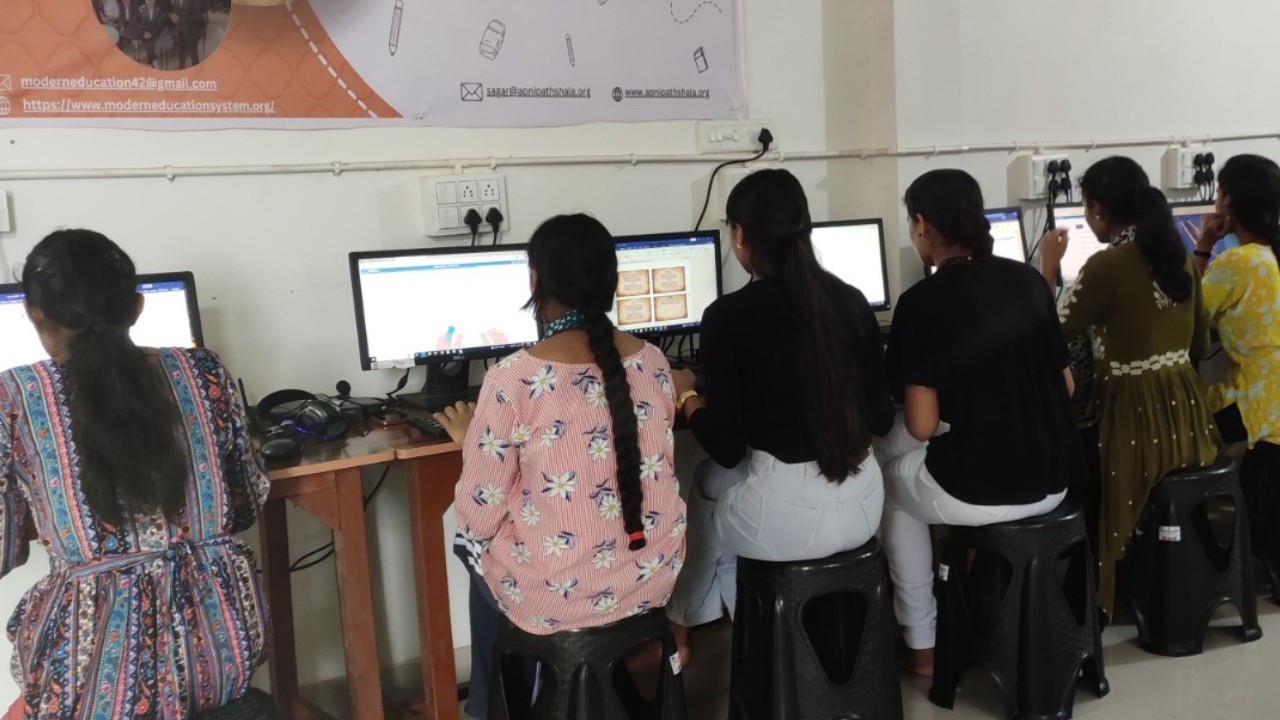
Practical student projects aren’t mysterious or complicated. They’re abilities your child can develop right now:
- Coding: Building games, apps, or animations using tools like Scratch. Your child learns logic and sequencing without complex syntax.
- Digital Design: Creating presentations, posters, or graphics that communicate ideas visually. This develops both artistic sense and communication skills.
- Content Production: Making videos, podcasts, or written pieces. Your child learns to research, organise thoughts, and present ideas clearly.
- Problem-Solving: Using technology to tackle real challenges. Your child moves beyond consumption to actual creation.
These aren’t separate from school learning. They enhance it. A student learning about the water cycle can code a simulation. A history student can create a digital presentation. When your child’s hands are involved, not just their eyes, learning actually sticks.
The Computer That’s Built for Learning, Not Just Entertainment
Most computers in Indian homes are hand-me-downs from parents or generic machines loaded with apps that distract rather than educate. Apna PC is different. It’s specifically designed for students who want to become creators through computer learning.
Here’s what makes it work for your family. Apna PC comes pre-loaded with Zorin OS, a clean, distraction-free operating system. There’s no bloatware, no aggressive ads, no algorithms designed to steal your child’s attention. Instead, you get LibreOffice for document creation, Scratch for coding, and Apni Prerna for monitoring what your child’s actually doing.
The specs are built for real work. 8GB RAM means your child can run multiple applications smoothly. 128GB SSD storage is enough for projects, files, and learning materials without slowing down. At Rs. 21,000 (excluding shipping and GST), it’s priced for Indian families who want quality without breaking the bank.
But the real power isn’t the hardware. It’s the software ecosystem. Scratch teaches coding through visual blocks, perfect for beginners. LibreOffice lets your child create professional documents and presentations. The monitoring system gives you peace of mind without invading privacy. Your child gets tools for thinking beyond watching.
How Self-Paced Learning Unlocks Creative Potential
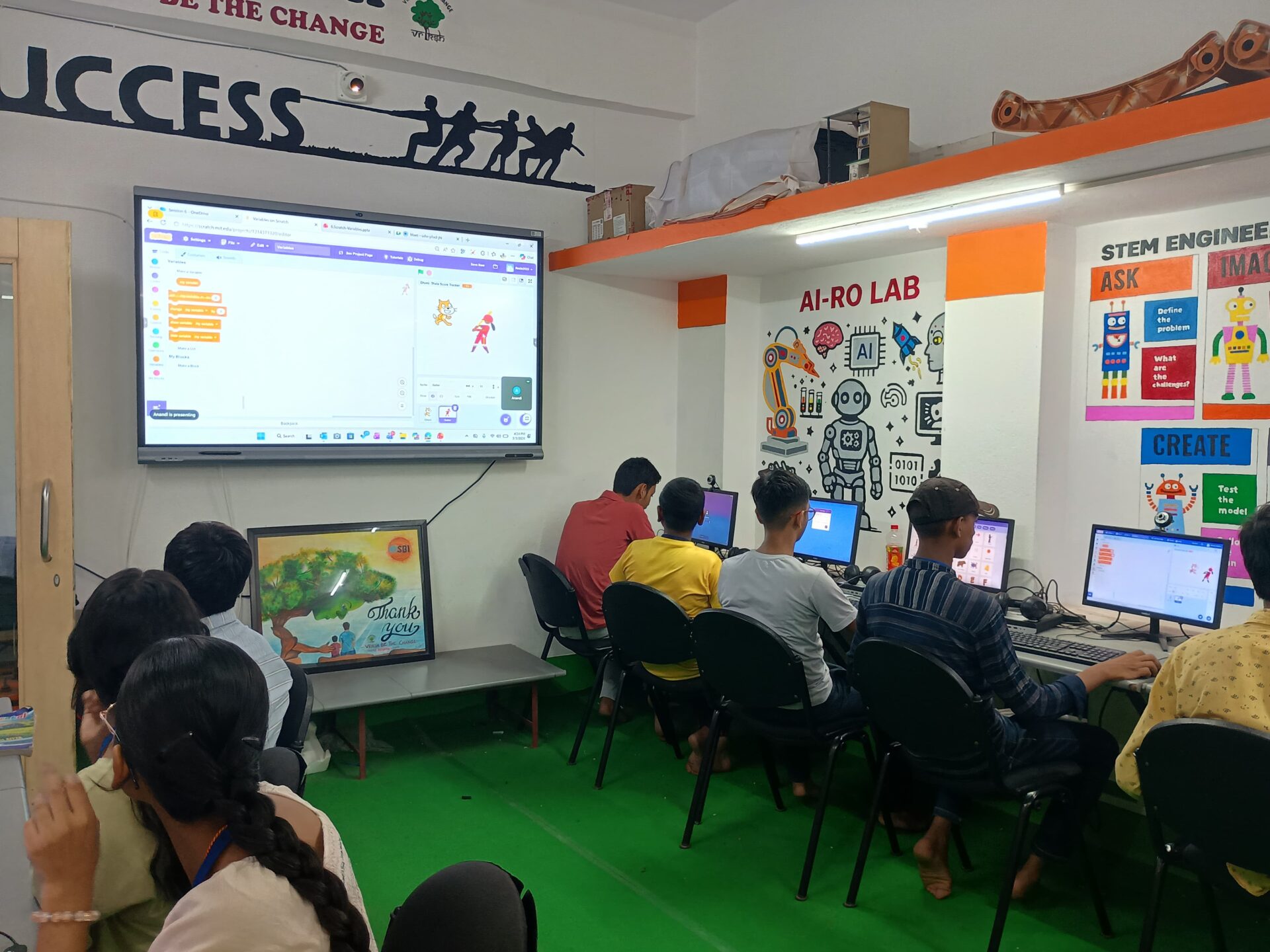
School teaches at one speed. Your child might move faster or slower. That’s where self-paced learning becomes powerful. With the right computer and tools, your child develops creator skills at their own rhythm, building confidence along the way.
A child who struggles in traditional math class might excel at coding because they see immediate results. A shy child might find their voice through digital content creation. Self-paced learning respects individual learning styles and builds on natural curiosity. You’re not forcing your child to fit into a box. You’re giving them space to discover what they love.
This is why self-paced learning with the right device matters so much for students in smaller cities. Your child doesn’t have to wait for a coding class to start at the local tuition centre. They can begin today, at their own pace, with real tools used by professional creators.
Moving Beyond Consumption: A Practical Path Forward
Start small. Don’t expect your child to become a master coder overnight. The journey from viewer to creator happens in steps. Week one might be exploring Scratch and building a simple game. Week two might be creating a digital poster for a school project. Week three might be coding a small animation.
Your role as a parent is crucial here. Ask your child what they’re creating. Show genuine interest in their projects. Celebrate small wins. When your child sees that you value creation over consumption, they’ll invest more effort in learning.
The Digital India push has given us infrastructure. Now it’s time to use it wisely. Your child doesn’t need another device for scrolling. They need a computer that empowers them to build, create, and think.
Creator Skills Build Confidence That Lasts
Here’s what Priya noticed most about Asha’s transformation. It wasn’t just that she was creating projects. It was that she started believing in herself. When your child builds something with their own hands and mind, they develop confidence that carries into every area of life.
A child who codes a working game believes they can solve other problems. A child who creates a presentation that impresses teachers believes they can communicate effectively. A child who builds something from nothing learns that effort and creativity matter. These aren’t just technical abilities. They’re life skills.
The computer is just the tool. The real transformation happens when your child moves from thinking “I can only watch what others create” to thinking “I can create something new.” That shift changes everything.
Your child’s future depends on more than watching what others build. It depends on learning creator skills that’ll make them valuable, confident, and ready for whatever comes next. Apna PC gives your family the computer and tools to make that happen. Visit apnapc.com to learn more.