


Rajesh sat across from his son Arjun at their small dining table in Indore. The 10-year-old had just brought home his school report: excellent marks in Hindi and Math, but his teacher’s comment read, “Arjun struggles to think through problems independently.” Rajesh felt that familiar knot in his chest. He wanted his son to become someone who could solve real problems, not just memorise answers. That evening, he decided to explore coding as a way to help Arjun develop problem-solving skills that would actually matter.
You’re likely in a similar situation. Your child brings home good grades, but you wonder if they’re truly learning to think. You want them ready for a future that demands creativity and logic, not rote learning. The answer might be simpler than you think: coding isn’t just for tech kids. It’s a powerful tool that teaches your child how to break down problems, think logically, and find solutions step by step.
Why Coding Teaches Problem Solving Skills Better Than Traditional Subjects
When your child learns coding, they’re not just typing commands. They’re learning to think like a detective. Every program they write presents a puzzle: “What do I want to happen? What steps get me there? What went wrong when it didn’t work?” This is real problem-solving skills in action.
Unlike math problems with one correct answer, coding often has multiple solutions. Your child learns that there’s more than one way to reach a goal. They experiment, fail, debug, and try again. This builds resilience and creative thinking that transfers to every area of their life. When they face a difficult homework problem or a conflict with a friend, they approach it differently: with patience and a logical plan.
Traditional education often teaches your child what to think. Coding teaches them how to think. That’s the real difference in building problem-solving skills that last a lifetime.
How Coding Builds Problem Solving Skills Step by Step
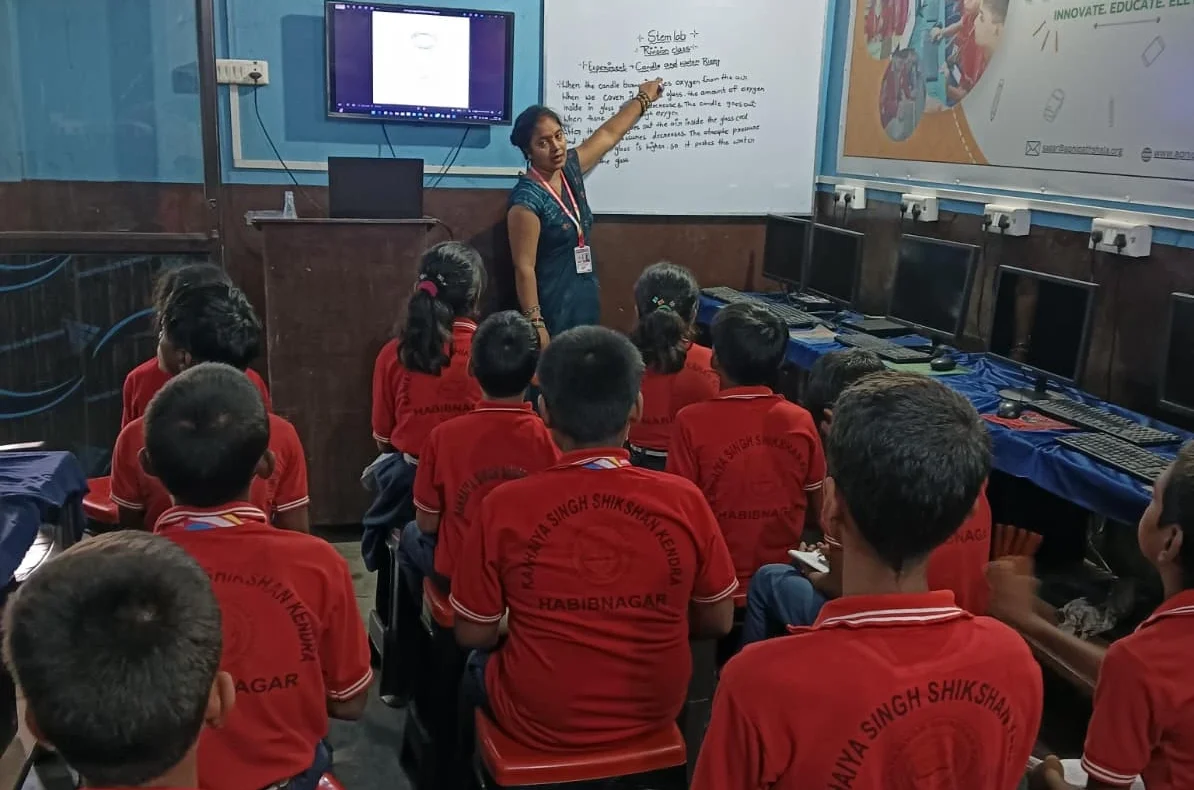
Let’s say your child wants to create a simple game in Scratch. They need to plan it out: What will happen when the player clicks? How does the character move? What makes the game end? Breaking a big goal into smaller steps is the foundation of logical thinking and problem-solving skills.
- Planning: Your child learns to visualise the end result before writing a single line of code
- Breaking down: They split complex problems into manageable pieces
- Testing: They check if each piece works correctly
- Debugging: When something fails, they find and fix the error
- Improving: They refine their solution to make it better
This exact process applies to everything from studying for exams to planning your family’s budget. Your child isn’t just learning code. They’re learning a universal method for solving any problem they’ll ever face.
How Logical Thinking Changes Your Child’s School Performance
Parents often notice something remarkable after their children start learning to code. Math suddenly makes more sense. Science projects become easier. Even language subjects improve because your child now understands structure and sequence.
When your child approaches a math word problem, they don’t panic. They’ve learned to break it down into steps. When they write an essay, they organise their thoughts logically instead of rambling. When they face a new challenge in any subject, they ask the right questions first.
Apni Pathshala recognised this when they designed their educational computer. They knew that computer learning needed to start early, with the right tools and environment.
Getting Started With Coding at Home
You might think you need to be tech-savvy to help your child learn coding. You don’t. Platforms like Scratch are designed for beginners. Your child can drag and drop blocks to create programs, learning logic without complex syntax. Computer programming is more accessible than ever.
The Apna PC comes pre-loaded with Scratch, making it incredibly easy to start. Your child can begin creating within minutes. You can sit with them, ask questions, and watch them think through problems. You don’t need to know the answers. Your role is to encourage them to experiment and learn from mistakes.
Start small. Let your child create a simple animation or a basic game. Watch how they approach the problem. Ask them to explain their thinking. This conversation itself builds logical thinking.
Building Confidence Through Code
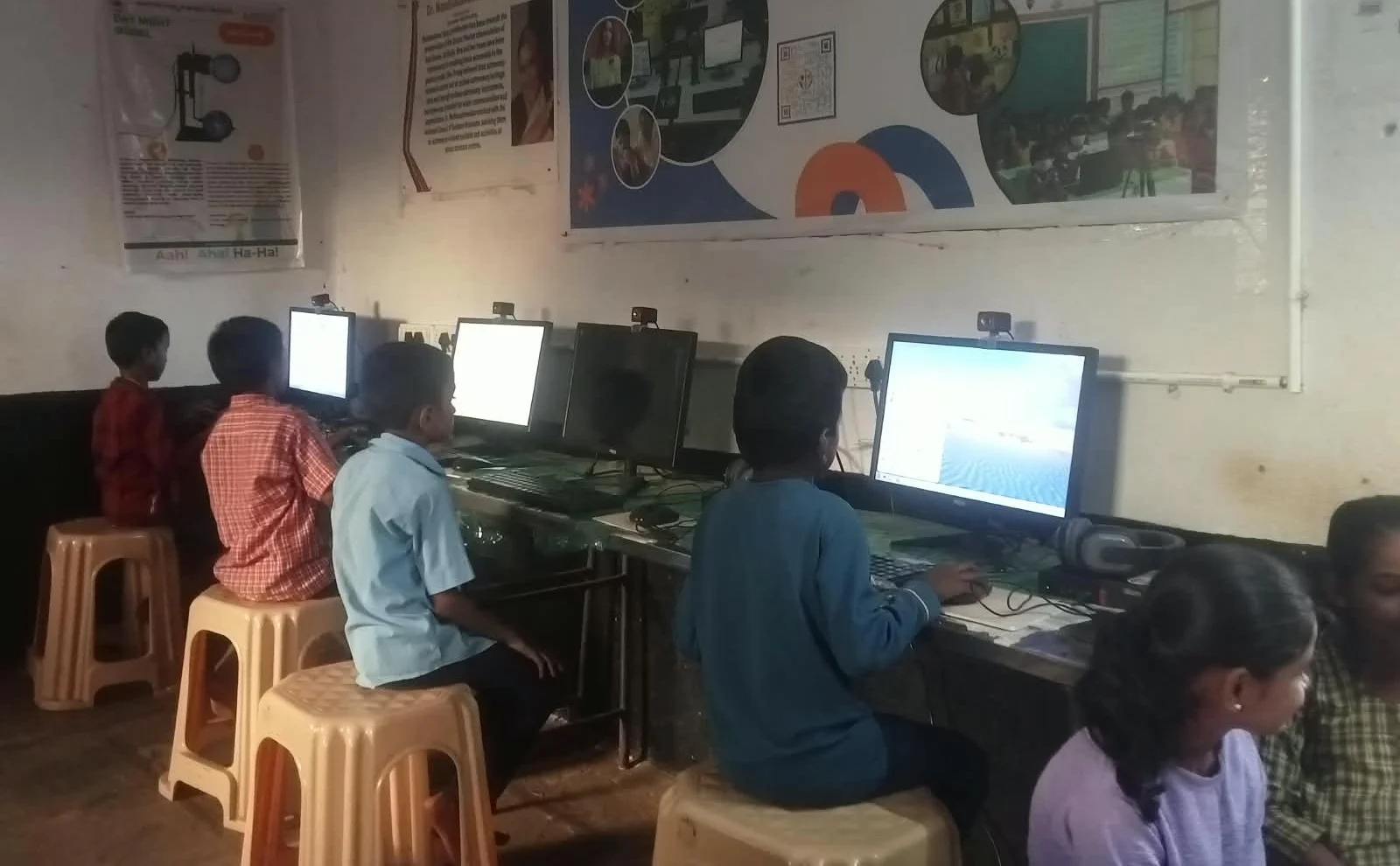
Something magical happens when your child writes their first working program. They built something from nothing. They solved a problem they set for themselves. This confidence spreads to other areas of their life.
Your child starts believing they can figure things out. They become less afraid of failure because they’ve experienced debugging. They’ve learned that mistakes are just part of the process, not signs of stupidity.
This mindset shift is perhaps the most valuable gift coding offers. Your child develops the confidence to tackle problems in school, in their career, and in life.
Why This Matters for Your Child’s Future
India is moving toward the Digital India initiative. Even school boards like Central Board of Secondary Education (CBSE) have introduced coding and AI in their curriculum, showing how important logical thinking has become. Technology isn’t optional anymore. Every field, from agriculture to medicine to business, now requires digital literacy and logical thinking.
Your child doesn’t need to become a software engineer. But they do need to understand how to solve problems systematically. They need to think logically. They need to be comfortable with technology and unafraid of learning new tools.
Coding gives them all of this. It’s an investment in their ability to succeed in whatever path they choose.
Making It Real: The Apna PC Advantage
You might be wondering how to actually start this journey. The Apna PC is designed exactly for this purpose. At Rs. 30,000 (shipping and GST excluded), it’s an educational computer preloaded with everything your child needs: Zorin OS, Scratch for coding, LibreOffice for productivity, and Apni Prerna to monitor your child’s learning progress.
The 8GB RAM and 128GB SSD mean it runs smoothly without lag. Your child can focus on learning, not waiting for the computer. It’s also built to last, making it a genuine investment in your child’s education.
Think of it this way: you spend money on tuition, books, and classes. The Apna PC is an investment in the skills that actually matter. Learn more about how computers for student research can enhance your child’s learning journey.
Your Next Step
Your child’s ability to think logically and solve problems won’t develop by accident. It requires the right environment, the right tools, and your support. Coding provides all three.
Start this week. Explore Scratch online for free. See how your child responds. If you see that spark of interest, that moment when they figure something out on their own, you’ll know you’re on the right path. Visit apnapc.com to learn more.