

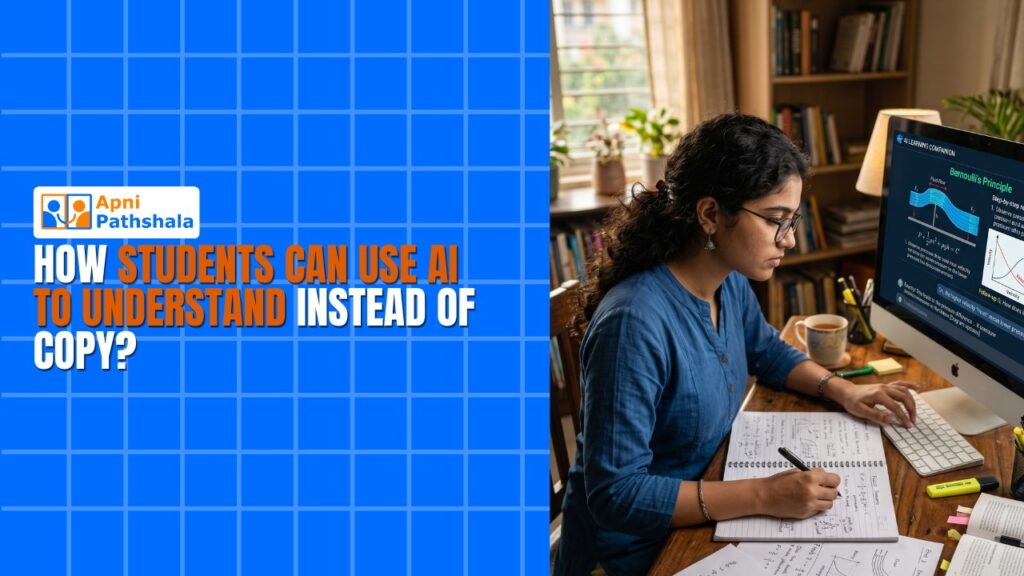
Students can use AI to understand instead of copy by doing the work first and asking AI to explain only the part where they are stuck. Used this way, AI becomes a tutor that explains, not a machine that writes answers to submit.
For example, two students of the same age might use the same AI tool. One copies every answer and cannot explain it later, while the other asks for explanations and writes answers in their own words. Same tool, very different results.
What is the AI dependency trap?
AI dependency happens when a student uses AI to avoid thinking rather than to sharpen it. They type the question, copy the answer and move on without processing or checking it.
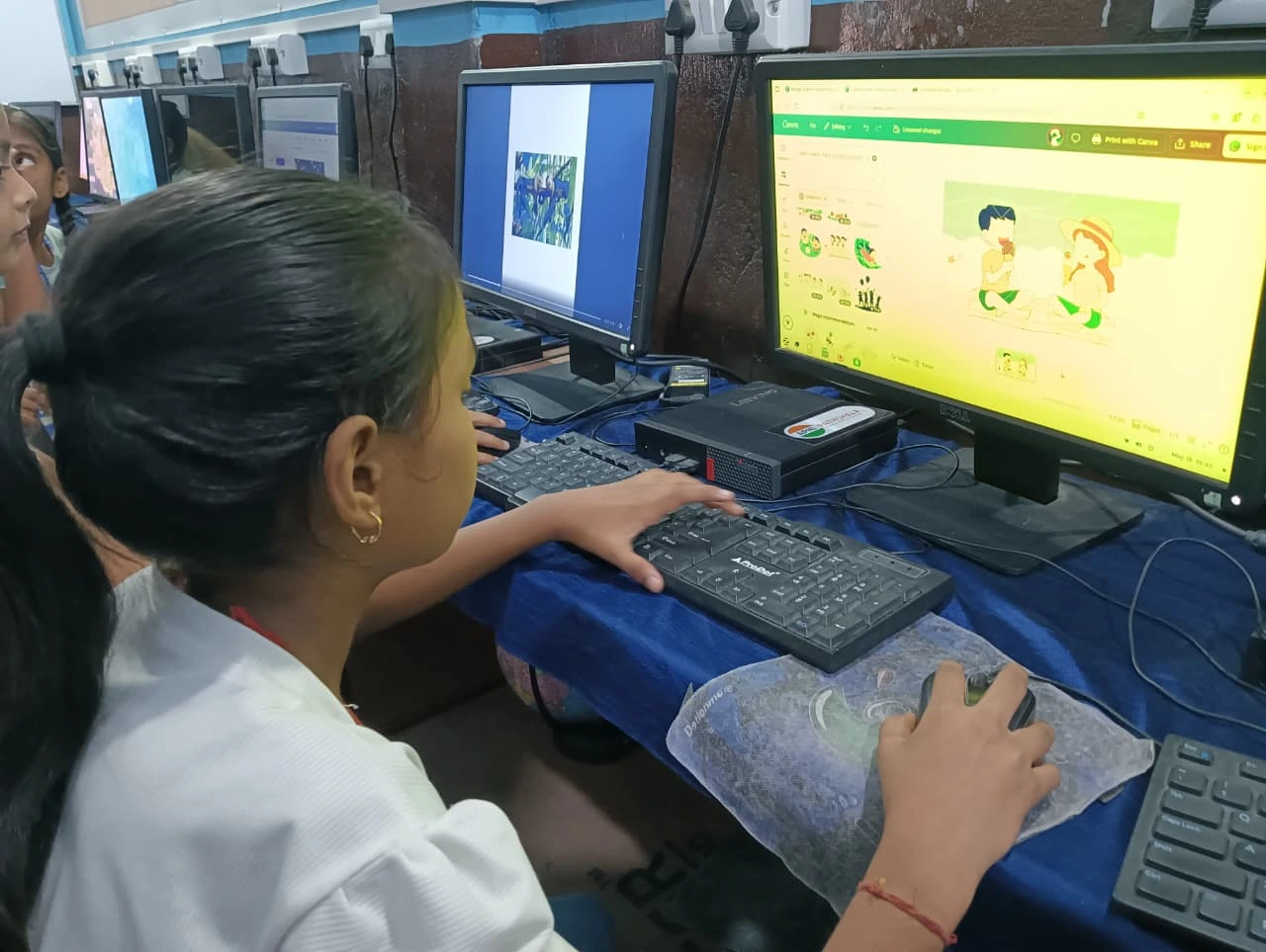
The trap is invisible. The student gets good marks, the parent sees correct answers and the teacher sees well-written assignments. Nobody notices that the learning has not happened.
It is risky because it builds false confidence. When the AI is removed, in an exam, an interview or a real problem, the student is stuck. Our guide to AI-assisted learning versus dependence explains the difference in more detail.
Responsible AI use means building understanding, not bypassing it. Asking AI to explain is learning, while asking it to write the answer for submission is copying. The intention decides whether the student grows.
Platforms like DIKSHA, India’s national digital learning platform, offer digital resources for students across India. Like AI, they help most when students use them to learn rather than to copy.
How should students ask AI questions to learn?
Ask “explain this to me”, not “write this for me”. The questions matter more than how many are asked. Here is how that works across common homework:
| Task | Copying approach | Learning approach |
|---|---|---|
| Science chapter | Ask AI to explain the whole chapter | Read first, then ask about the unclear parts |
| Essay | Ask AI to write it | Write a draft, then ask AI to point out weak arguments |
| Maths problem | Ask AI for the solution | Attempt it, then ask about the step where you got stuck |
In each case the AI changes role. It becomes a targeted tutor, a reviewer instead of a ghostwriter, and a hint system instead of a solution key. The student learns the method, not only the answer.
Why does the order of work matter?
Because effort before help is what creates understanding. Work first, help second. Not help first, copy second.
When a student tries a problem on their own, they find exactly where their understanding breaks. Asking AI about that specific gap fixes it. If they ask first, they never discover what they did not know.
Apna PC is designed to support this habit. Read how students use AI the right way on a study computer.
Why does a computer support responsible AI use better than a phone?
A computer makes a thoughtful workflow easy, while a phone makes copy and paste the fastest option. The device shapes the behaviour.
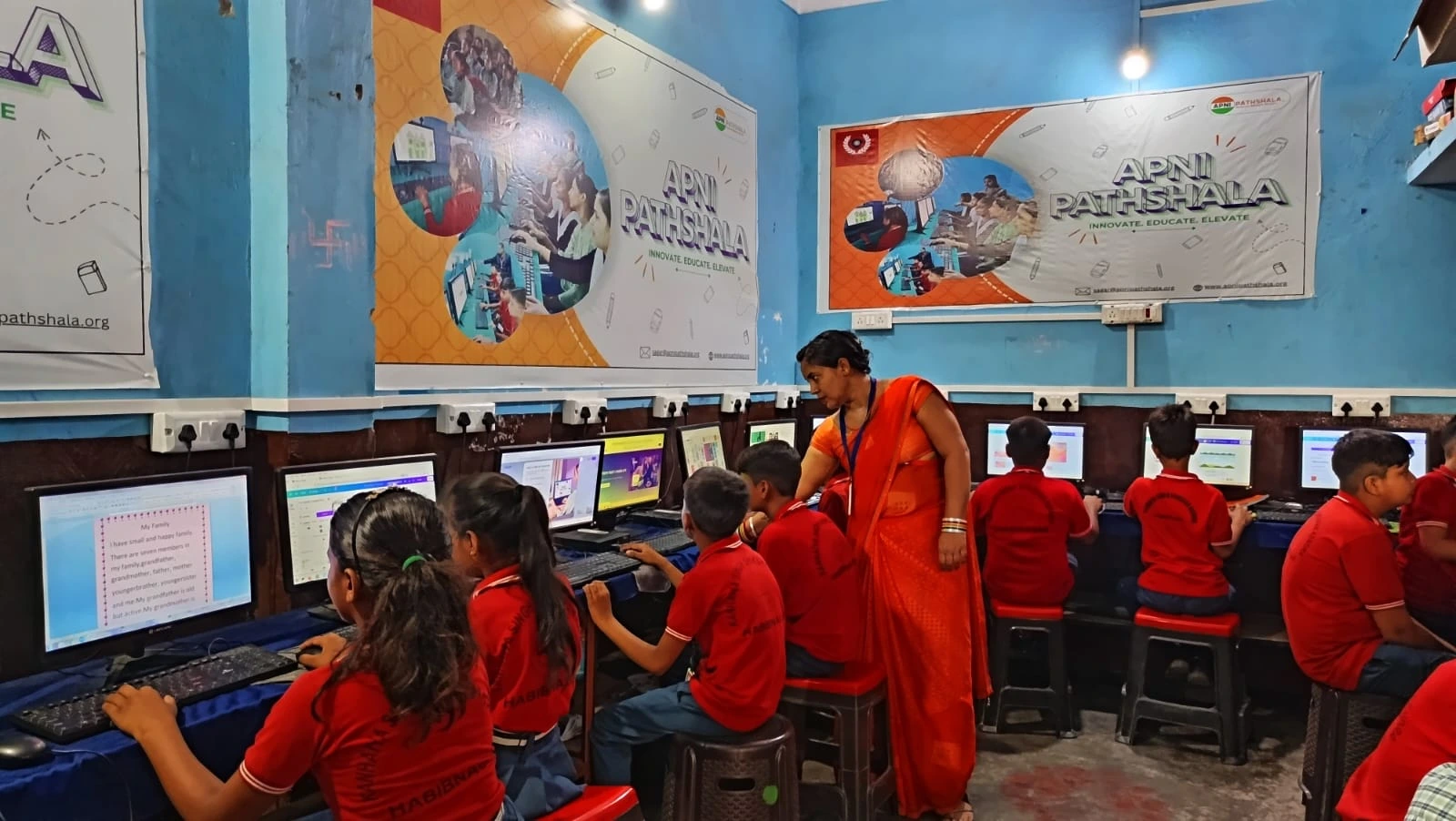
On a phone, the small screen and slow keyboard push a student to copy and move on. On a computer, the AI chat and the student’s own document can sit side by side, and a proper keyboard makes detailed questions easy to type.
That supports a cycle of think, ask, evaluate and then write. The biggest advantage a student can have today is not only owning a computer but having one that encourages this kind of responsible use.
What rule should parents teach about AI homework?
Teach one simple rule: never copy the answer. Ask the AI to explain, then write the answer on your own.
- Attempt the work before opening the AI
- Ask about the specific part you do not understand
- Ask the AI to explain it simply, like you are ten years old
- Close the chat and write the answer yourself
- Check your understanding by explaining it to a parent
Asking your child to explain a homework concept aloud is the quickest way to spot copying.
How can parents set up the right device for this?
Give your child a computer with a screen large enough for side-by-side work and a keyboard fast enough for detailed questions. That setup encourages thinking over copying.
Apna PC, priced at ₹30,000 (shipping and GST excluded), gives your child a device to use AI as a tool, not a crutch. The Digital India initiative supports wider digital skills across the country, and real AI literacy includes knowing how to use AI without becoming dependent on it.
Frequently Asked Questions
Is using ChatGPT for homework cheating?
It depends on how it is used. Asking ChatGPT to explain a concept or review a draft is learning. Copying its answer and submitting it as your own is cheating. The tool is the same, so the habit you build around it decides whether it helps or harms.
How can I tell if my child is copying from AI?
Ask your child to explain a homework answer in their own words. If they cannot explain work that looks perfect, they have probably copied it. Correct answers and good marks alone do not show understanding, so a short spoken explanation is a simple, reliable check.
Should I ban AI tools for my child?
Banning AI is rarely the best answer, since your child will meet these tools in school and work. It is better to teach the rule of working first and asking for explanations second. That way AI becomes a tutor that builds understanding rather than a shortcut around it.
What is a good first AI prompt for a student?
A good first prompt names the exact point of confusion. For example, “I tried this maths step and got stuck here, can you explain why this works?” This keeps the student doing the thinking, while the AI fills only the specific gap in their understanding.
To help your child build the habit of understanding, not copying, take a look at Apna PC.