

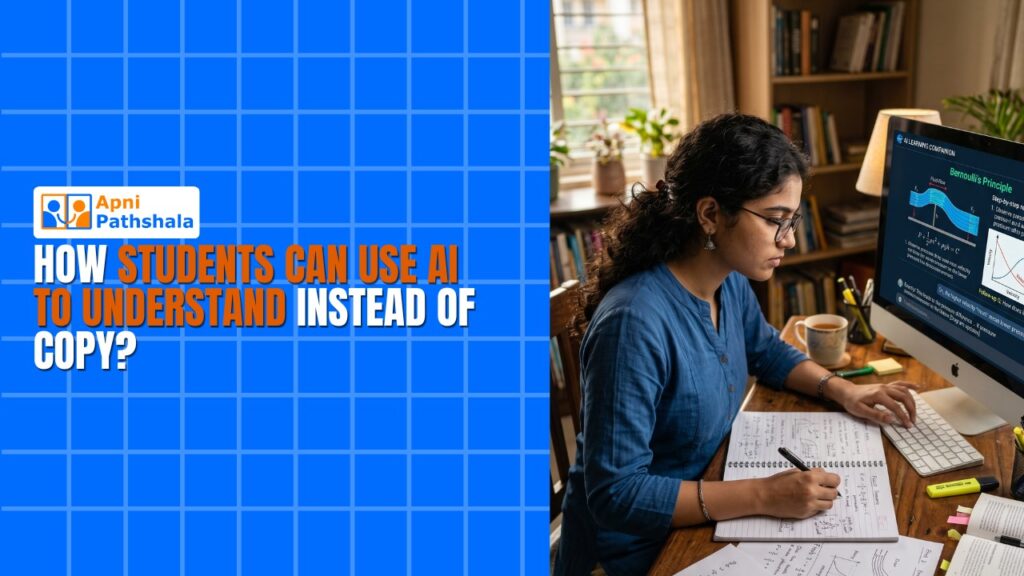
Sneha’s son uses ChatGPT for his homework. Every answer is correct. Every sentence is well-written. Every project is submitted on time. She is proud. She should be worried. Last week, she asked him to explain a concept from his homework. He could not. He had copied the AI’s answer. He did not understand a single word of it.
Two houses away, Rohan also uses ChatGPT. But his mother taught him a rule: never copy the answer. Ask the AI to explain it to you like you are ten years old. Then write the answer yourself. If you get stuck, ask the AI to explain the specific part you do not understand. Do not ask it to do the work. Ask it to help you do the work.
Same tool. Same age. Same school. Completely different outcomes. Sneha’s son built a dependency. Rohan built understanding. The difference is not the AI. The difference is how they used it. AI for studying is not about getting answers. It is about getting explanations that help you find the answers yourself.
The AI Dependency Trap
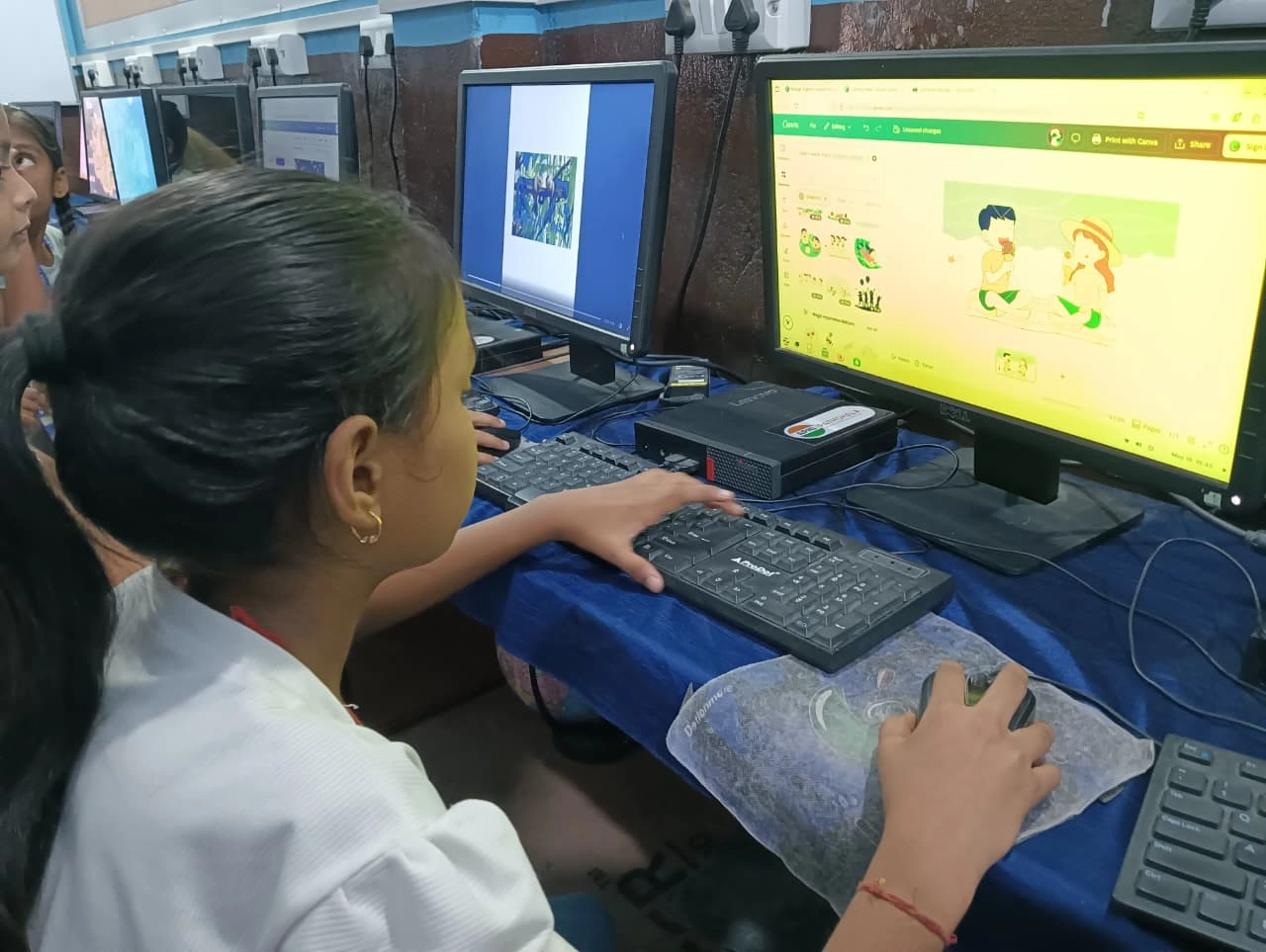
AI dependency happens when a student uses AI to avoid thinking instead of to enhance thinking. They type the question, copy the answer, and move on. They do not process the information. They do not evaluate the response. They do not connect it to what they already know. The AI did the thinking. The student submitted.
The trap is invisible. The student gets good marks. The parent sees the correct answers. The teacher sees well-written assignments. Nobody realises that the student has not actually learned anything. The marks are real. The understanding is not there.
AI dependency is dangerous because it builds false confidence. The student believes they understand the material because they are getting good marks. But when the AI is removed, during an exam, during an interview, or during a real-world problem, they are helpless. The dependency was hidden by the tool.
Responsible AI in education means using AI to build understanding, not to bypass it. A student who asks AI to explain a concept is learning. A student who asks AI to write the answer is cheating. The tool is the same. The intention determines whether the student grows or stagnates.
DIKSHA, India’s national digital learning platform is building digital resources for students across India. But digital resources without responsible usage habits become tools of dependency. The resources are only as good as the student’s ability to use them for learning.
How to Use AI for Understanding
AI-assisted learning is not about asking AI fewer questions. It is about asking AI different questions. The difference between a dependency question and a learning question is the difference between “write this for me” and “explain this to me.”
A student studying photosynthesis should not ask AI to explain the entire chapter. They should read the chapter first, identify the parts they do not understand, and then ask AI to explain those specific parts. The AI becomes a targeted tutor, not a general answer machine.
A student writing an essay should not ask AI to write it for them. They should write a rough draft, then ask AI to point out weak arguments, unclear sentences, and missing evidence. The AI becomes a reviewer, not a ghostwriter. The student improves their own work instead of submitting someone else’s.
A student solving a math problem should not ask AI for the solution. They should attempt the problem first, identify where they got stuck, and ask AI to explain that specific step. The AI becomes a hint system, not a solution key. The student learns the method, not just the answer.
AI for studying works best when the student does the work first and asks AI for help second. The order matters. Work first, help second. Not help first, copy second.
What Is Apna PC and How Does It Help Indian Students Learn Better. But more importantly, it helps them learn how to use AI as a tool for understanding, not a shortcut around understanding.
Why a Computer Enable Responsible AI Use?
A phone encourages copy-paste behavior. The screen is small. The keyboard is slow. The fastest way to use AI on a phone is to copy the answer and move on. The device does not support a thoughtful workflow.
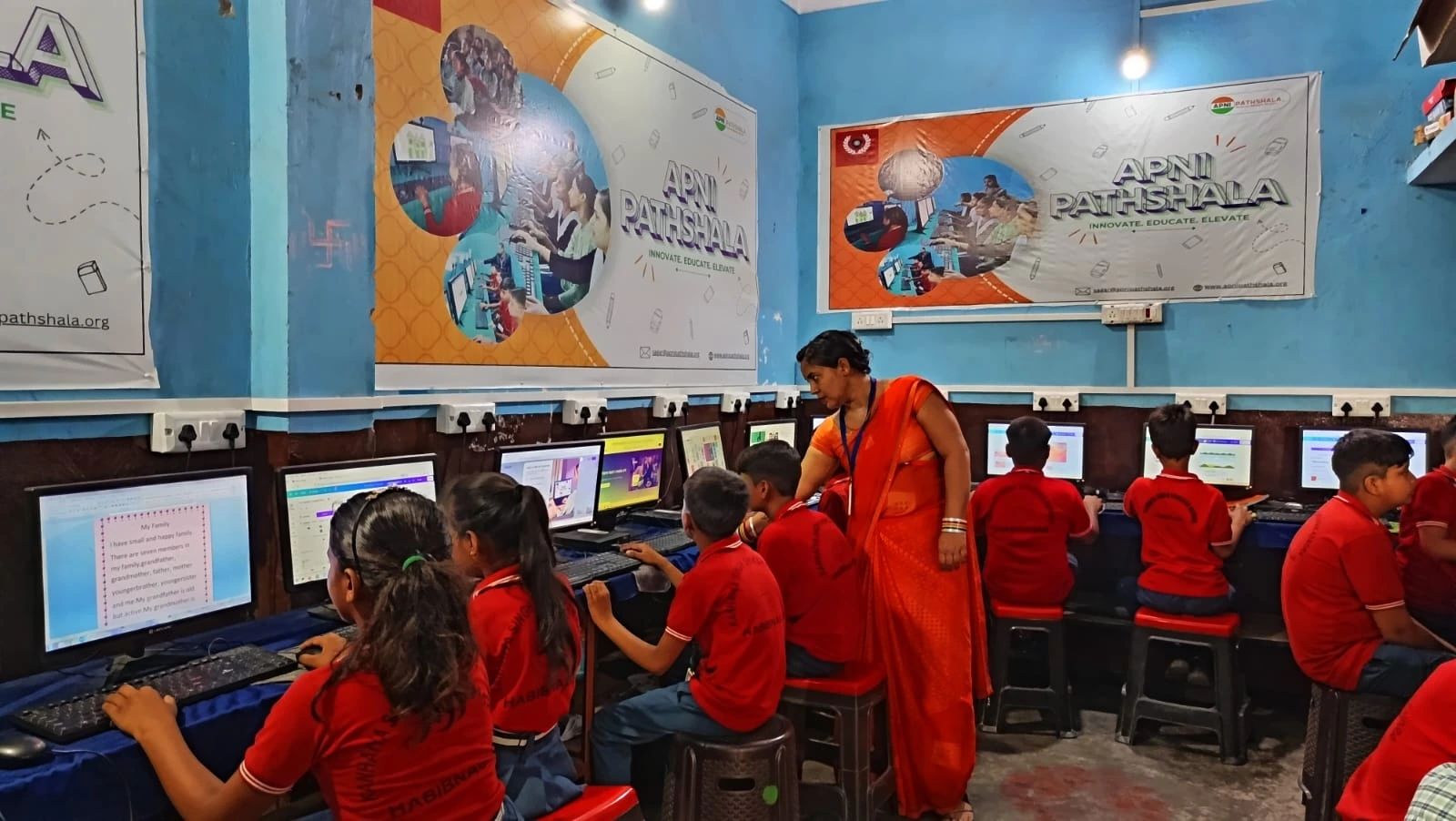
A computer encourages a different behavior. The screen is large enough to have the AI chat and the student’s document side by side. The keyboard is fast enough for writing detailed questions and evaluating responses. The device supports a workflow where the student thinks, asks, evaluates, and then writes.
Responsible AI in education requires the right device. A student on a phone is more likely to copy because the device makes it easy. A student on a computer is more likely to engage because the device supports a proper workflow. The tool shapes the behavior.
The Biggest Advantage a Student Can Have Today. But the advantage is not just about having a computer. It is about having a device that encourages responsible AI use instead of dependency.
What Parents Should Do
Teach your child the rule: never copy the answer. Ask the AI to explain. Then write the answer on your own. If you do not understand, ask the AI to explain the specific part where you are stuck. Do not ask it to do the work. Ask it to assist you with the work.
Give your child a computer. A screen large enough for side-by-side work. A keyboard that is fast enough for writing detailed questions. A device that encourages thinking, not copying.
Apna PC, priced at ₹21,000 (shipping and GST excluded), gives your child the device to use AI responsibly. Not as a crutch. As a tool. Your child plugs it in and starts building the habit of understanding, not copying.
Digital India initiative is pushing for AI literacy across India. But AI literacy is not just about knowing how to use AI. It is about knowing how to use AI without becoming dependent on it. Visit apnapc.com to learn more.