

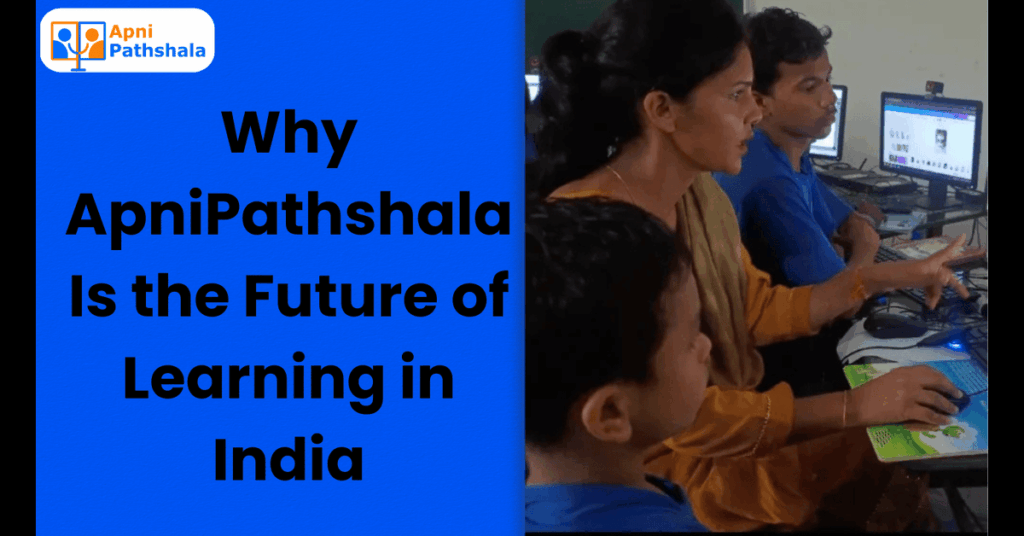
Introduction: Why Parents Are Questioning the Current Education System
Across India, parents are increasingly questioning whether the traditional school system is truly preparing their children for the future. While schools continue to focus heavily on syllabus completion, examinations, and grades, the world outside the classroom is changing rapidly.
Careers are evolving, technology is reshaping every industry, and success today depends on adaptability, skills, and independent thinking as much as academic knowledge.
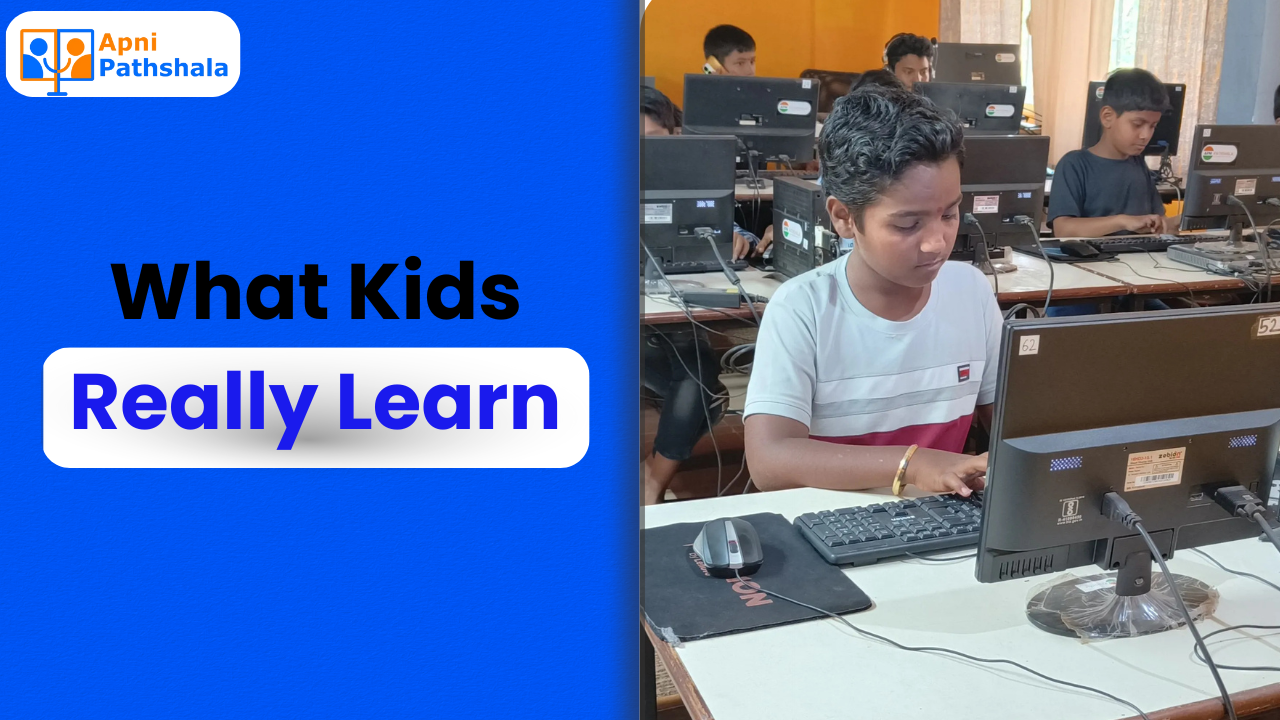
This growing mismatch has led parents and educators to explore learning models that go beyond rigid schooling structures. ApniPathshala represents one such model that directly addresses these concerns.
The Limitations of the Traditional Top-Down School Model
Most schools operate on a top-down structure where decisions about curriculum, teaching methods, learning pace, and assessments are made by boards and administrators who rarely interact directly with children.
This distance often results in learning that feels standardised and disconnected from individual needs. Children are expected to fit into predefined systems rather than systems adapting to children. Over time, this rigidity limits curiosity, suppresses creativity, and reduces learning to compliance rather than understanding.
How ApniPathshala Reverses the Learning Pyramid
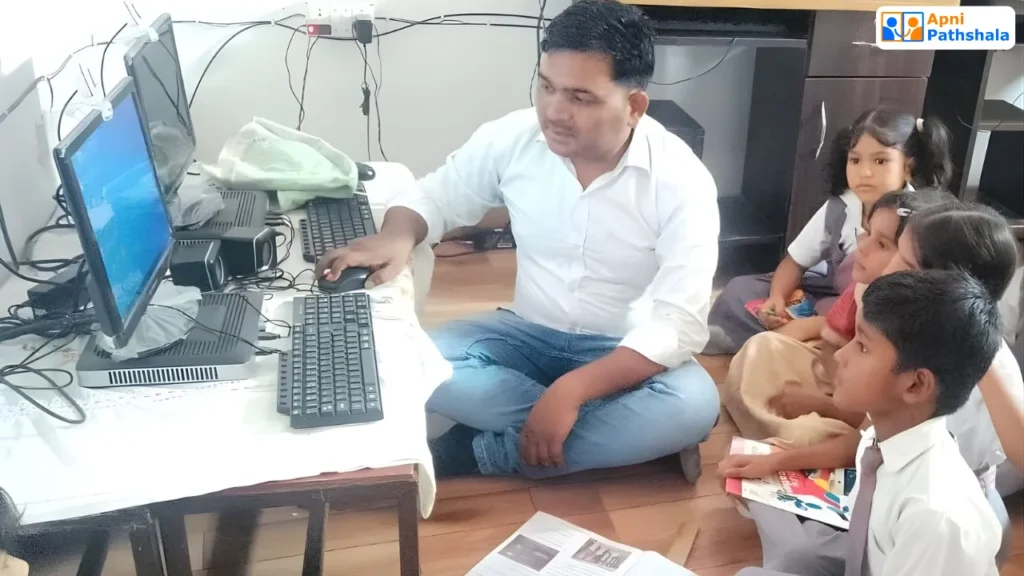
ApniPathshala takes a fundamentally different approach by flipping the traditional education pyramid. Instead of decisions flowing from distant authorities, learning is shaped from the ground up.
Communities play a central role in defining what education should look like for their children. This shift ensures that learning remains flexible, responsive, and closely aligned with real needs rather than abstract policies.
The Importance of Community Ownership in Learning
Community ownership is at the heart of the ApniPathshala model. Parents, local educators, senior citizens, and community members actively participate in shaping learning priorities. These individuals understand the aspirations, challenges, and realities of children far better than external authorities.
When communities decide what matters, education becomes contextual and meaningful. Skills are prioritised based on relevance, and learning becomes a shared responsibility rather than an outsourced service.
Moving Beyond Marks to Skill-Based Learning
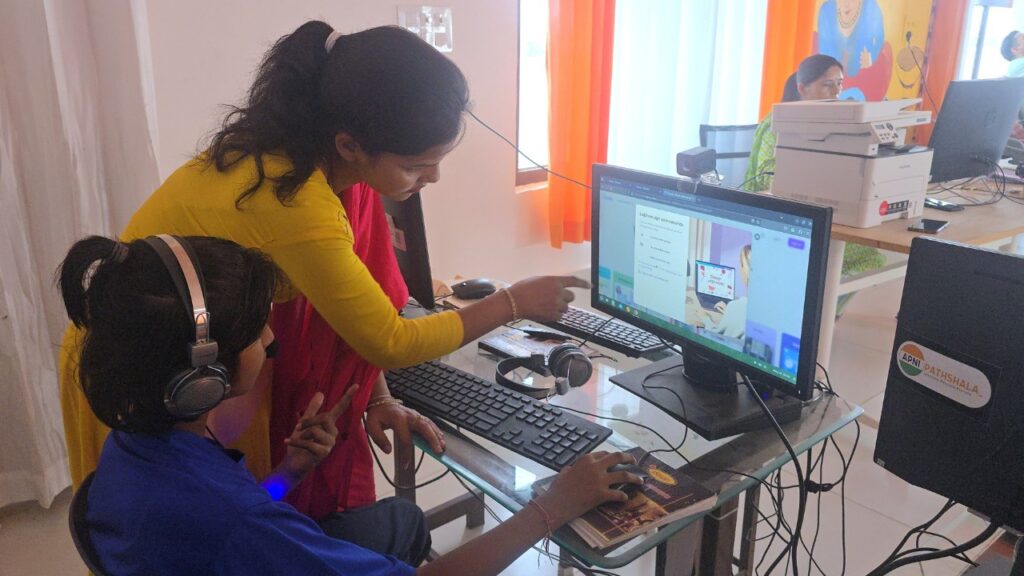
While academic learning remains important, ApniPathshala does not treat marks as the sole indicator of success. Traditional schools often emphasise grades to the extent that learning becomes exam-oriented and focused on memorisation.
ApniPathshala shifts attention toward skills, mindsets, and real-world readiness. Students develop digital literacy, communication skills, creativity, collaboration, problem-solving ability, financial understanding, and awareness of health and wellbeing. Learning driven by curiosity allows children to engage more deeply and retain knowledge longer.
Why Small, Mixed-Age Learning Pods Work Better
Learning at ApniPathshala takes place in small pods of ten to twenty students rather than large classrooms. These pods follow a mixed-age structure that reflects how learning naturally occurs in real life. Younger students learn by observing older peers, while older students reinforce their understanding by mentoring others.
This environment fosters empathy, leadership, confidence, and collaboration. Individual attention becomes possible, and learning feels supportive rather than competitive.
A Bottom-Up Model Designed for Real Children
The bottom-up approach ensures that learning decisions are practical and humane. Pod managers come from the community and understand the local context, allowing them to respond effectively to children’s needs. Children are encouraged to learn at their natural pace rather than being forced to follow rigid timelines. This design recognises that every child learns differently and that meaningful education must respect these differences.
The Role of Digital-First Learning at ApniPathshala
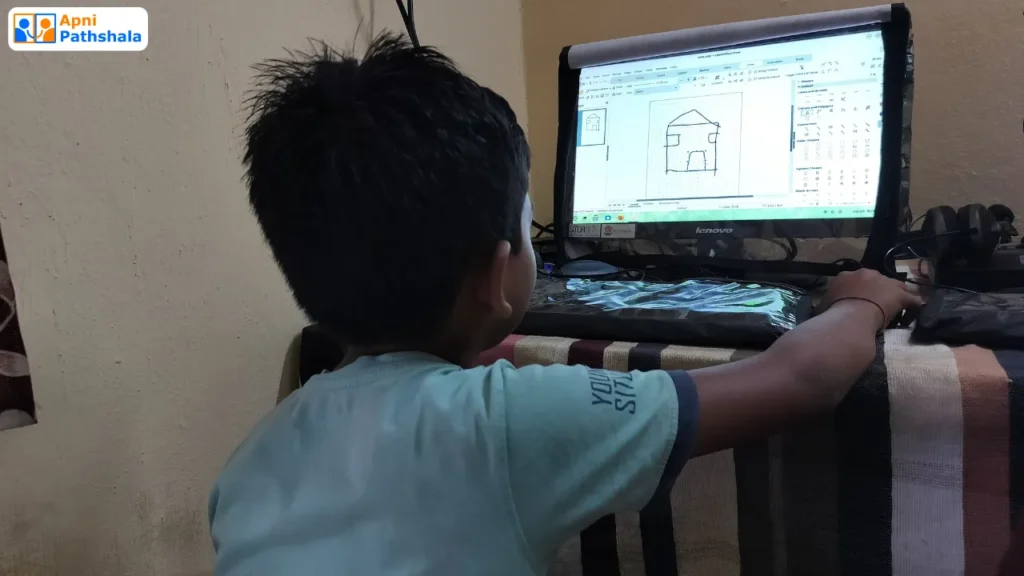
Technology plays a crucial role in supporting personalised learning at ApniPathshala. The digital-first approach ensures that every child has access to high-quality learning resources. Students benefit from personalised learning paths, instant feedback, transparent progress tracking, and mastery-based learning instead of rote memorisation. Digital tools allow the curriculum to adapt to the learner rather than forcing the learner to adapt to the curriculum.
How ApniPathshala Adapts to Changing Community Needs
One of the strongest advantages of the ApniPathshala model is its ability to evolve quickly. Traditional schools often take months or years to introduce changes due to rigid policies and approval processes. In contrast, ApniPathshala’s small, community-run pods can adapt rapidly. Whether a community needs stronger English skills, coding exposure, financial literacy, robotics basics, career guidance, or project-based learning, changes can be implemented within days. This flexibility keeps learning relevant and future-focused.
Making Quality Education More Affordable
Rising school fees have made quality education inaccessible for many families. Much of this cost comes from infrastructure, administrative overhead, and unnecessary expenses rather than learning quality. ApniPathshala removes this waste by focusing on what truly matters. Without large buildings, bloated administration, or hidden fees, resources are directed toward learning itself. Digital content combined with community spaces and small pods allows high-quality education to be delivered at a significantly lower cost
Conclusion: Putting Learners Back at the Centre of Education
The ultimate goal of ApniPathshala is to restore agency, autonomy, and dignity to learners. Children are no longer treated as passive recipients of information but as active participants in their own learning journeys. By empowering communities, embracing flexibility, and focusing on skills alongside academics, ApniPathshala offers a clear vision for the future of learning in India. It represents a shift from rigid systems to meaningful education designed for real children and real lives.