


Meera’s Story: When Revision Stopped Feeling Like a Mountain
Meera sat at her kitchen table in Indore, staring at her Class 10 Science textbook for the third time that week. Her mother, Priya, watched from the doorway with worry creasing her forehead. It was November, and board exams were still three months away, yet Meera already felt exhausted. Each time she opened those pages, the information seemed to slip away like water through her fingers. Priya had tried everything: hiring a tutor, buying expensive guidebooks, even downloading random apps on their old laptop. Nothing stuck. Then one evening, a neighbour mentioned something simple: “We just started using a proper study system with revision techniques that actually work. Our son revisits topics every week, and he’s not stressed anymore.”
That conversation changed everything for Meera’s family. What they discovered wasn’t magical or complicated. It was a habit. A single, repeatable habit that transformed how Meera approached revision techniques and made studying feel lighter each time she sat down.
The Habit That Actually Works: Spaced Repetition
Here’s what most students and parents don’t realise: your brain doesn’t work like a hard drive where you save something once, and it stays there forever. It works more like a muscle that needs regular exercise to stay strong. When you learn something new, your memory of it starts fading immediately. That’s not weakness. That’s just how human brains are built.
The habit that revisits feels lighter is called spaced repetition. You don’t study a topic once and forget it for two months. Instead, you revisit it at increasing intervals: after one day, then three days, then a week, then two weeks. Each time you encounter the same information, your brain recognises it faster and holds onto it longer.
Think of it like watering a plant. One big bucket of water once won’t keep it alive for months. Small, regular watering does. Your study material needs the same approach.
- Day 1: You learn a new chapter in class or from your textbook
- Day 2: You spend 15 minutes reviewing just the main points
- Day 4: You solve practice questions on that topic
- Day 8: You create a summary or teach it to someone else
- Day 15: You mix it with other topics and solve mixed questions
This isn’t new science. Educational researchers have proven this works for decades. The Ministry of Education actually recommends structured revision in their guidelines for schools. What’s changed is that now you can build this habit more easily with the right tools.
Why This Habit Becomes Lighter Over Time
When Meera started spacing her revisions, something unexpected happened. By the third or fourth time she revisited a topic, it no longer felt like studying. It felt like remembering something she already knew. The anxiety disappeared. The panic about forgetting vanished.
Your brain rewards you for this habit. Each time you successfully recall something you learned weeks ago, your confidence grows. You stop feeling like you’re fighting to keep information in your head. You start feeling like the information is already yours.
This is where revision techniques become powerful. You’re not just memorising for an exam. You’re building actual understanding that sticks. Check out our guide on memory retention techniques to see how different methods work with spaced repetition.
Parents often tell us their kids say things like: “I don’t feel panicked anymore” or “I actually remember this without cramming.” That’s the lightness we’re talking about. It’s not that studying becomes fun. It’s that studying stops feeling impossible.
Building the Habit With the Right Environment
Here’s something crucial: this habit only sticks if you have a proper study environment. You need a space where you can focus, a reliable device, and tools that support this kind of structured learning. A cluttered desk, a slow computer, or constant distractions will kill this habit before it starts.
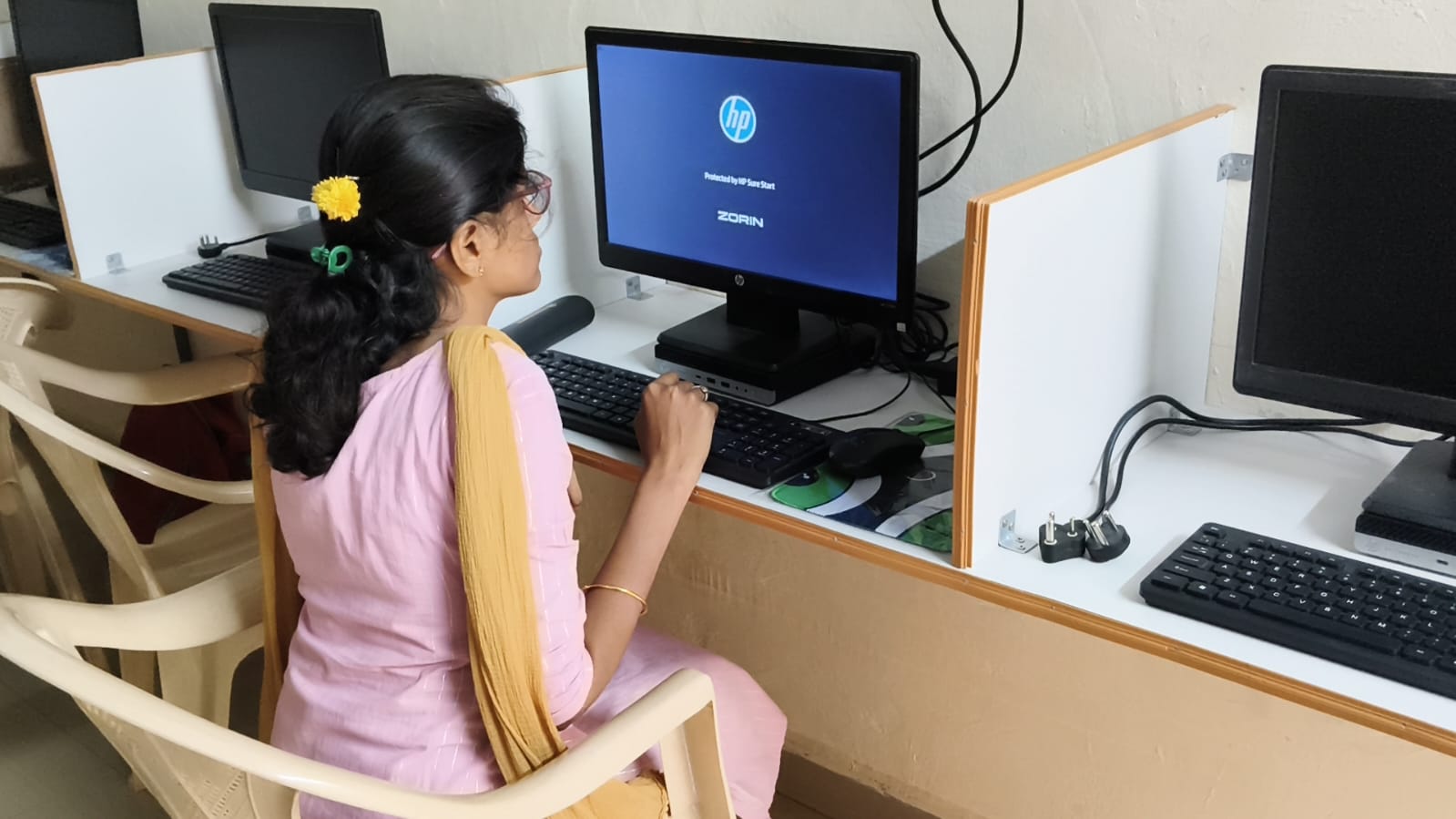
When Meera’s family set up a dedicated study corner with the Apna PC, everything changed. The computer came pre-loaded with Zorin OS and Apni Prerna, which helped track her study sessions and remind her when it was time to revise. No more wondering if she was studying enough. No more confusion about what to do next.
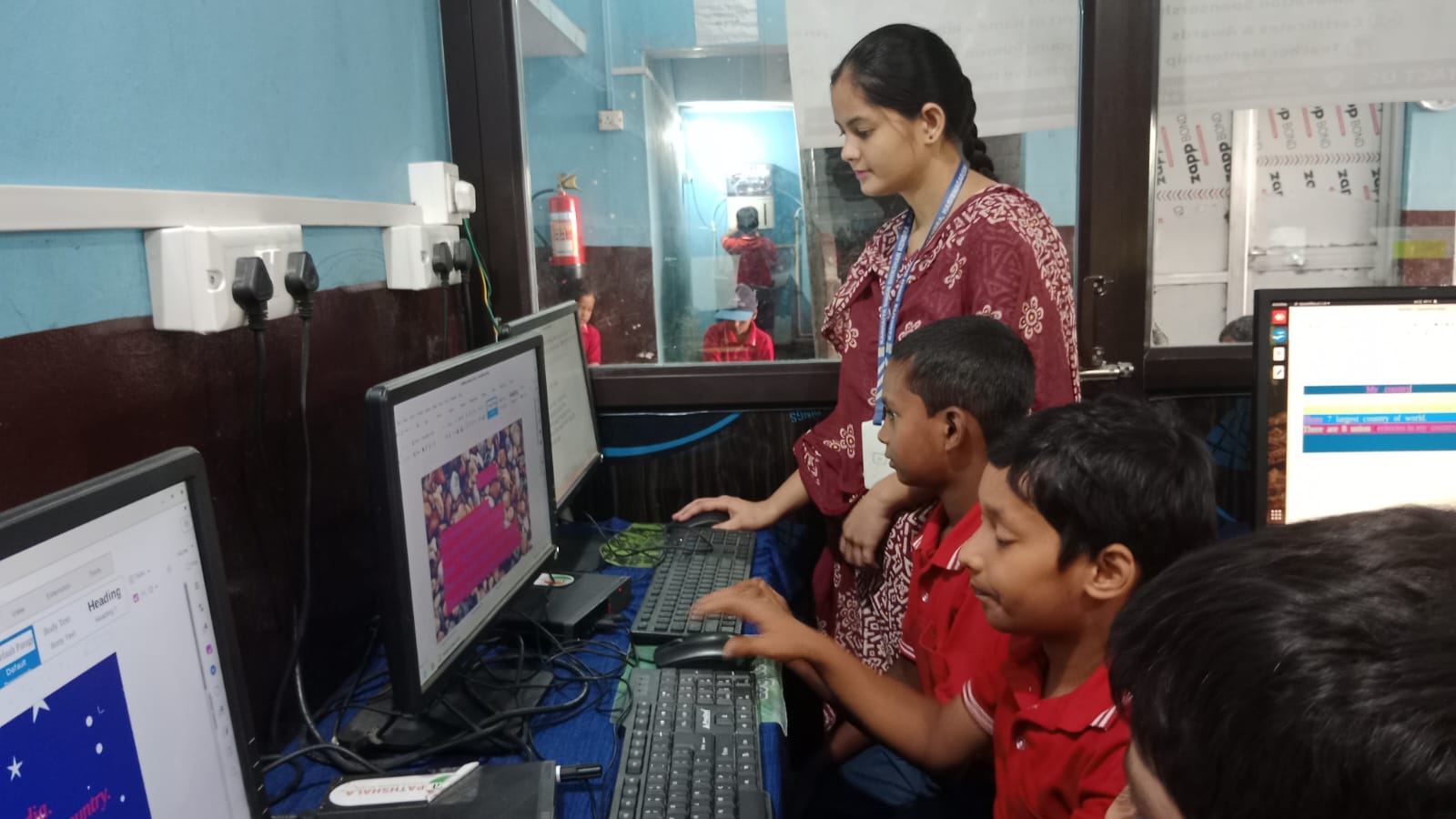
The 8GB RAM and 128GB SSD meant the computer didn’t lag when she had multiple tabs open for research. LibreOffice let her create clean notes and summaries. Scratch helped her understand programming concepts visually. For the first time, technology supported her habit instead of distracting from it.
Building productive study session habits requires consistency, and consistency requires an environment built for success.
The Real Cost of Skipping This Habit
Most students don’t fail exams because they’re not smart. They fail because they cram everything into the last two weeks, their brains can’t retain it all, and panic takes over. This isn’t a reflection of ability. It reflects poor revision techniques and study habits.
When you skip spaced repetition and try to learn everything at once, your brain gets overwhelmed. You forget 80% of what you studied within a few days. You have to relearn it. You waste time. You get frustrated. Your parents get worried. The cycle continues.
The education system in India places enormous pressure on students, but that pressure doesn’t have to translate into suffering. A simple habit can change everything.
Starting Your Habit Today
You don’t need to overhaul your entire study routine. Start with one subject. Pick one chapter you’re currently studying. Learn it as you normally would in class or from your textbook. Then follow the spaced repetition schedule above.
Write it down. Set phone reminders if you need to. After one week, you’ll notice something: you remember more than you expected. After two weeks, studying feels easier. After a month, the habit becomes automatic.
Your study environment matters too. If you’re sharing a laptop with family members or studying on an old device that crashes, you’ll struggle. The Apna PC at Rs.30,000 (shipping and GST excluded) is designed specifically for students in Tier 2 and Tier 3 cities who need reliable technology that supports their learning habits.
Meera is now in her final month before board exams. She’s not stressed. She’s not cramming. She’s simply reviewing topics she’s already learned through spaced repetition. Her mother sees her studying for 45 minutes a day instead of panicking for five hours on weekends. That’s the lightness this habit brings.
The habit that revises feel lighter isn’t complicated or expensive. It’s just smart, consistent, and supported by the right environment. Start today, and by exam time, you’ll feel the difference. Visit apnapc.com to learn more.