

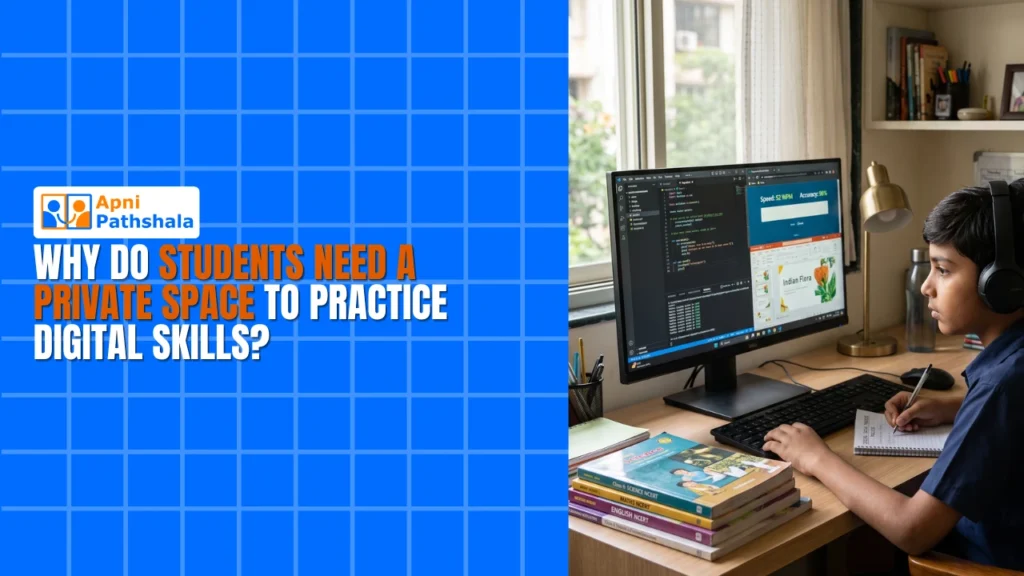
Isha is fifteen years old and lives in Indore. Her school has one computer lab with twenty-five computers for 800 students. She gets maybe two hours a week there, sharing a machine with two other girls. At home, her parents share one old laptop for work calls and WhatsApp. When Isha wanted to learn coding and graphic design, she had nowhere to practice digitally. She’d watch YouTube tutorials on her phone, but couldn’t actually build anything. Her hands stayed idle. Her confidence stayed low. This is where having a private space for digital practice became her real need, not just a nice-to-have.
Isha’s story isn’t unique in Tier 2 and Tier 3 Indian cities. Thousands of students face the same wall. They want to learn; they see the opportunities, but they don’t have a dedicated space where they can practice, experiment, fail, and learn at their own pace.
Why Your Child Needs a Private Space for Digital Practice?
Learning digital skills isn’t about staring at screens. It’s about doing. It’s about your child’s hands on a keyboard, solving real problems, building real projects. When students practice skills in a shared lab or on a crowded device, something important gets lost.
Think about learning to play an instrument. You don’t learn guitar by watching someone else play for two hours a week. You learn by holding the guitar yourself, making mistakes, adjusting your fingers, playing the same chord fifty times until it sounds right. Computer learning works the same way. Your child needs repetition. They need to try things. They need to break things and fix them.
In a school lab, the teacher moves on. The lesson ends. Your child goes home with half-formed ideas and no way to continue. With a private computer at home, they can pause a tutorial, think, rewind, try again. They own the learning process.
- Confidence grows faster: When your child practices alone, they’re not worried about others watching. They can ask “dumb questions” without embarrassment. They can spend twenty minutes on one problem without feeling rushed.
- Real learning happens: Coding, design, document creation, research- these skills need hands-on time. Reading about them isn’t enough. Your child needs to actually write code, design a poster, create a spreadsheet.
- Pace matches the child: Every student learns at a different speed. Some kids grasp concepts quickly and want to push ahead. Others need more time. At home, your child sets the rhythm.
- Skills stick longer: When learning happens in a relaxed, familiar space, the brain holds onto it better. Stress and time pressure actually reduce memory formation.
This is what the digital learning gap students face today really means. It’s not just about access to technology. It’s about access to the right kind of practice space.
The Problem With Shared Devices and Lab Time
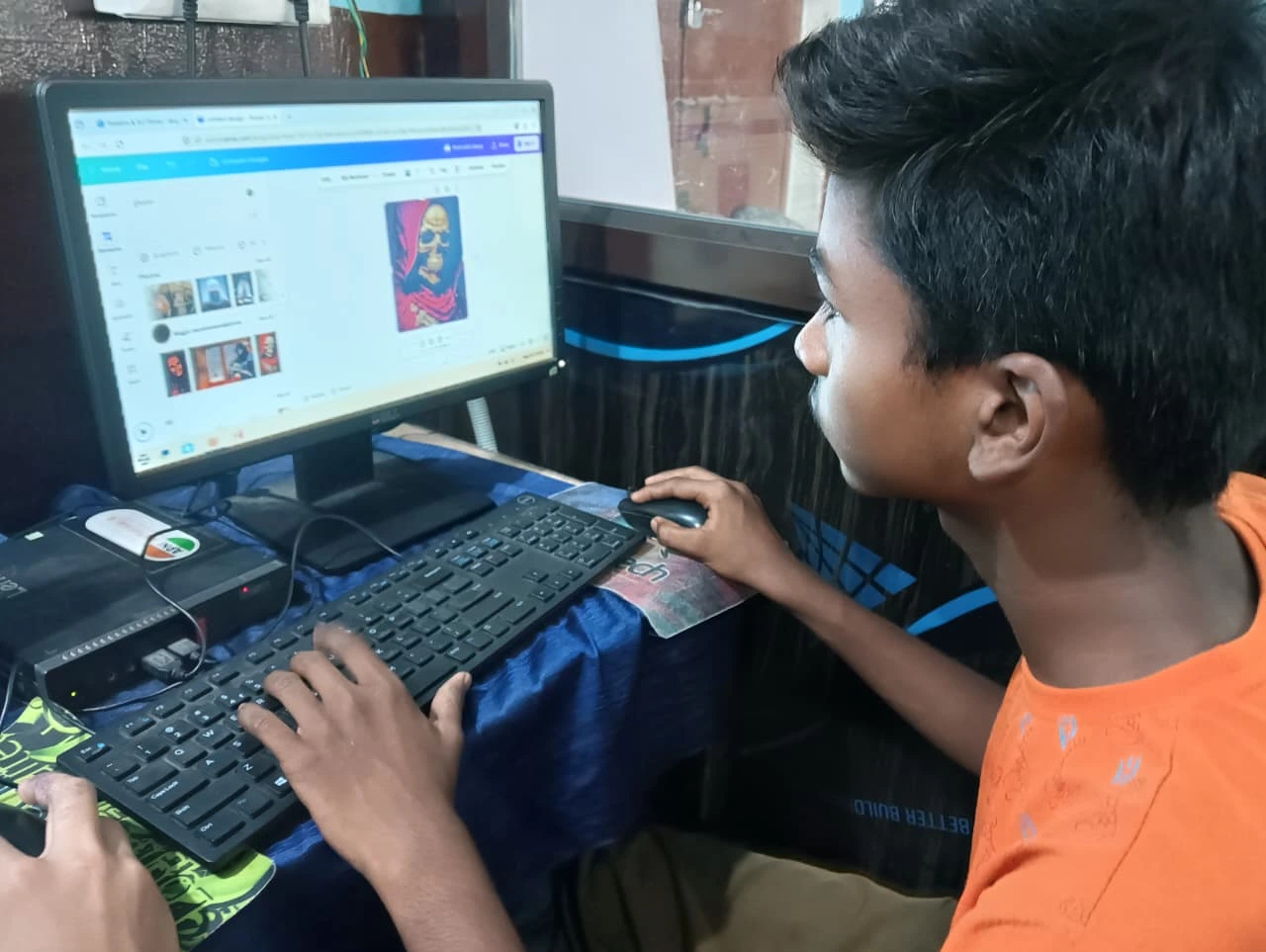
Your child’s school computer lab serves a purpose, but it has real limits. Lab time is structured, supervised, and short. Teachers have a curriculum to cover. They can’t let students spend forty minutes debugging a single line of code, even if that’s exactly what that student needs.
Shared devices also mean shared frustration. Your child might want to install a learning tool or save a project file in a specific way, but they can’t because the computer is locked down. They work on something interesting, then the lab closes, and they lose their work. Momentum breaks.
At home, your child owns the experience. They can keep a project open. They can experiment with different software. They can learn at 8 PM or 6 AM if that’s when their brain is sharpest. This flexibility is where real learning happens. Learn more about how a computer creates real learning opportunities at home.
What Student Skills Does Your Child Actually Need to Practice?
The Digital India programme and MeitY’s Digital India initiative both emphasise digital literacy as foundational. But what does that really mean for your child’s future? Coding and programming are no longer optional. They’re becoming as basic as writing. Your child might never become a software engineer, but they’ll definitely use these concepts in school projects, competitive exams, and future jobs.
Document creation, spreadsheets, and presentations aren’t just office skills anymore. They’re school skills. Your child needs to constantly create projects, reports, and presentations. Every subject demands it now.
Creative tools like graphic design and video editing open doors. These skills make your child stand out in college applications and job interviews. But you can’t learn design by watching tutorials. You learn by creating something, seeing what looks wrong, adjusting, and creating again. That’s hands-on computer learning at its best.
Problem-solving through technology is the real skill underneath everything. Your child needs to practice thinking like a computer scientist: breaking big problems into small steps, testing solutions, learning from mistakes.
Why Apna PC Changes the Game for Your Family?
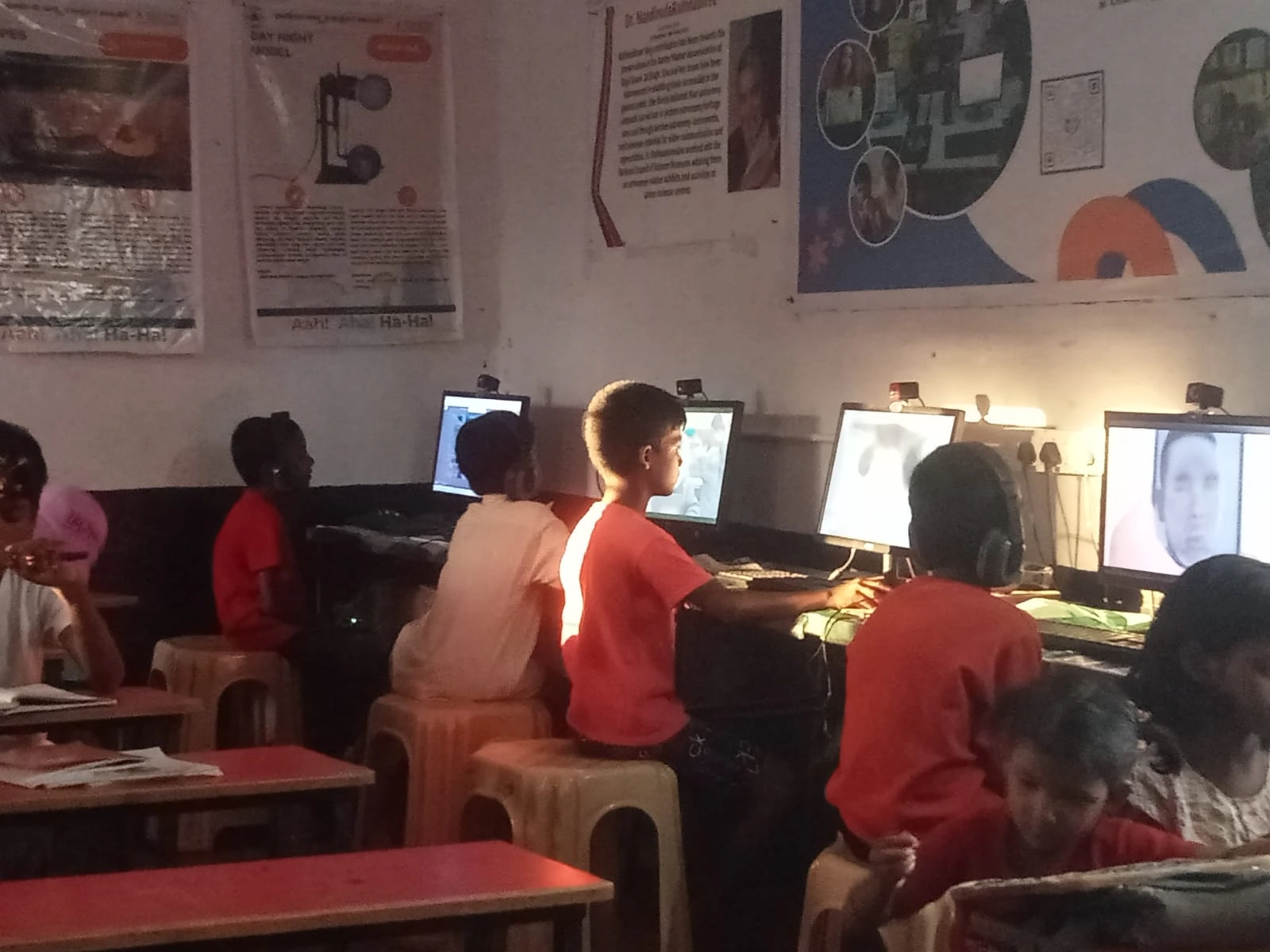
Apna PC isn’t just another computer. It’s specifically designed for students in Tier-2 and Tier-3 Indian cities who need an affordable, reliable space for digital practice.
At Rs. 21,000 (excluding shipping and GST), it’s priced for real families. It comes preloaded with everything your child needs: Zorin OS (a beginner-friendly operating system), Apni Prerna (so you can monitor progress without being invasive), LibreOffice (for documents and spreadsheets), and Scratch (for learning to code through visual blocks).
The specs matter too. 8GB RAM means your child can run multiple programs without the computer slowing down. 128GB SSD means they have space for projects, files, and learning materials. It’s not a toy computer. It’s a real machine for real work.
Most importantly, Apna PC creates that private practice space your child has been missing. They can build student skills on their schedule, in their way, without pressure or time limits. That’s where confidence grows. That’s where real learning happens.
Starting Your Child’s Digital Practice Journey
If your child wants to learn coding, design, or any digital skill but doesn’t have the space to practice, you’re not failing as a parent. The infrastructure gap is real. But it’s fixable.
A dedicated computer at home isn’t a luxury. It’s a tool for your child’s future. In a world where digital skills matter more every year, your child needs practice time. They need their own space to experiment, fail safely, and learn deeply.
Apna PC makes this possible without breaking the family budget. Your child can start their digital practice journey today, building skills that’ll serve them for life. Visit apnapc.com to learn more.