

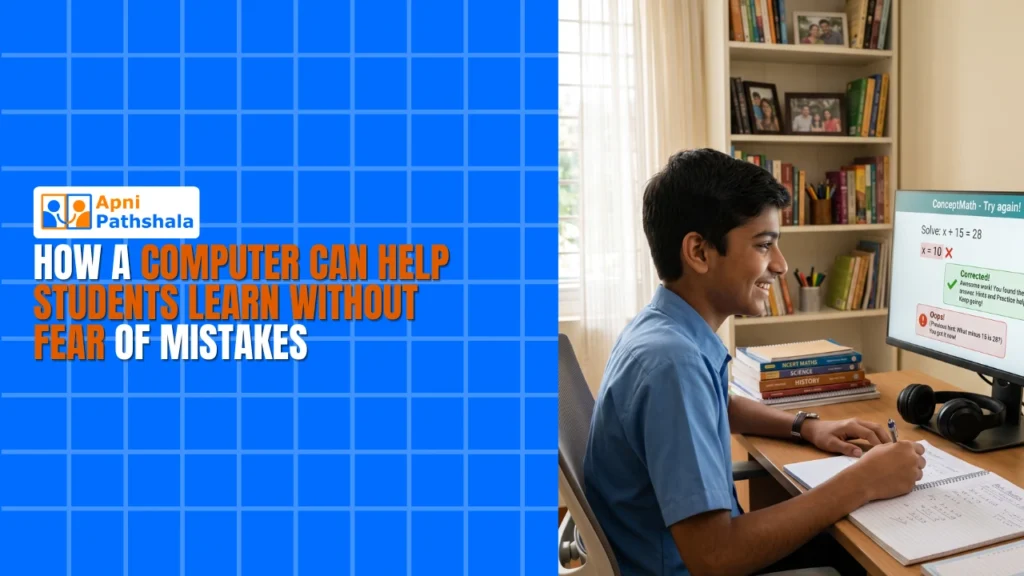
When Rajesh’s Daughter Stopped Fearing Learning Mistakes
Rajesh sits in his small shop in Indore, scrolling through his phone during lunch break. His daughter Priya, a class 8 student, had just called him crying. She’d made a learning mistake in her math assignment and refused to continue. “Papa, I’m so stupid,” she’d said. Rajesh felt that familiar helplessness. He couldn’t help her with homework after his shop closed at 9 PM. But he knew something had to change. Learning mistakes shouldn’t crush a child’s spirit. They should build it.
This story isn’t unique in Tier 2 and Tier 3 cities across India. Many parents face the same struggle. Your child fears making mistakes so much that they stop trying altogether. They won’t ask questions in class. They won’t attempt practice problems. They freeze at the possibility of being wrong.
Why Learning Mistakes Are Actually Your Child’s Best Teachers
Here’s what most parents don’t realise: learning mistakes are the foundation of real learning. When your child makes an error and corrects it themselves, their brain creates stronger neural connections than if they’d gotten it right the first time. The science of learning consistently proves this.
But traditional classrooms make mistakes feel like failures. A child raises their hand with a wrong answer. Twenty other students hear it. The teacher corrects them. Shame follows. Your child learns to stay quiet rather than to think.
A computer changes this equation completely. When your child practices on a computer, mistakes happen in private. No one laughs. No one judges. Your child can try, fail, learn, and try again as many times as needed. This is where real confidence builds.
How a Computer Creates a Safe Space for Practice Learning
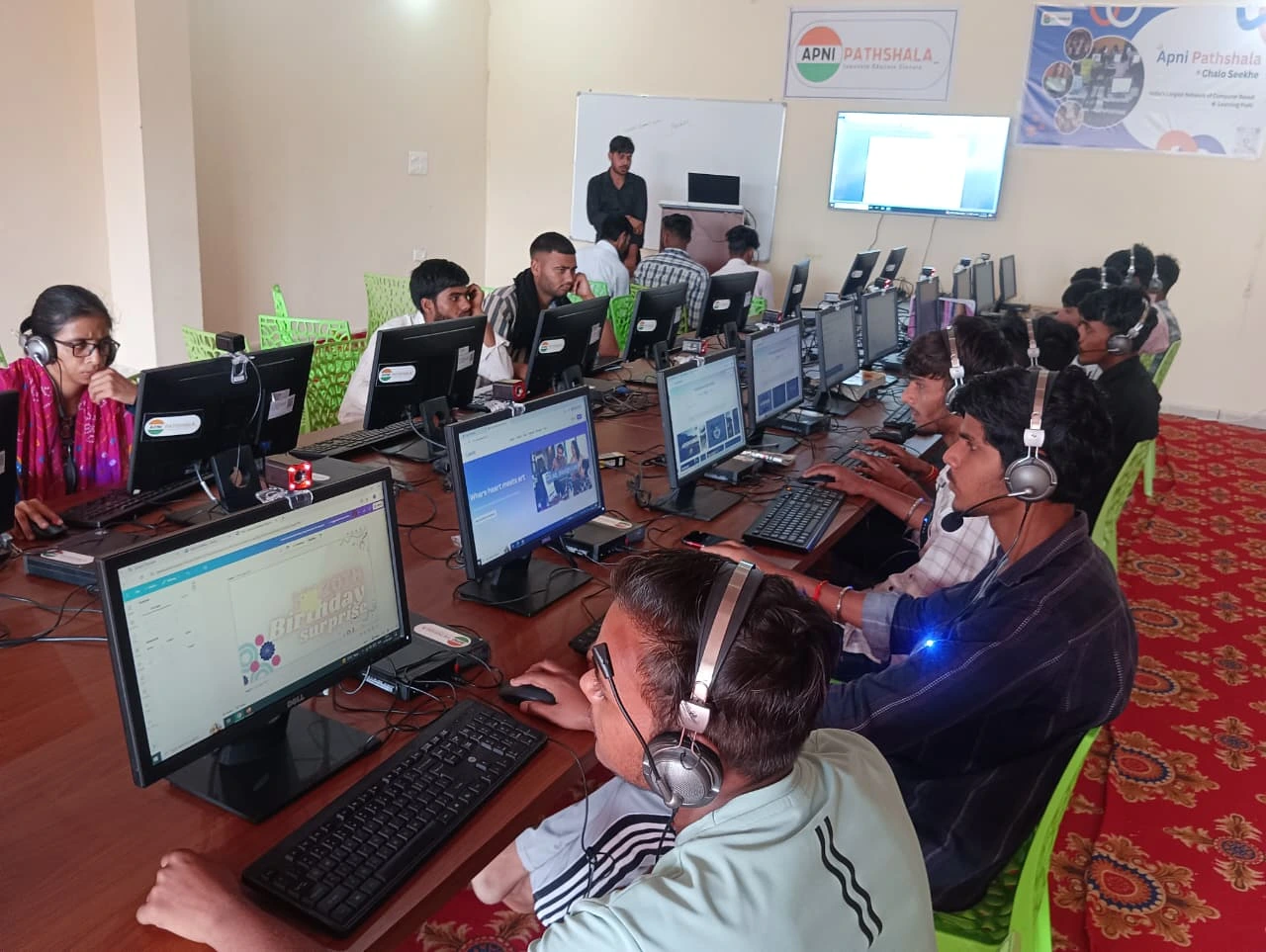
Imagine your child practising English grammar on their own computer. They answer a question incorrectly. The computer shows them why they’re wrong. They try again. They get it right. No fear. No audience. Just learning.
This is the power of self-study with the right tools. Your child learns at their own pace. They repeat difficult topics without embarrassment. They build muscle memory through practice learning that sticks because it’s earned, not forced.
- Privacy: Your child makes mistakes alone, not in front of peers
- Repetition: They can practice the same concept 10 times or 100 times without judgment
- Immediate feedback: They know instantly if they’re right or wrong, not days later
- Control: They choose when to study, how fast to move, what to focus on
- Progress tracking: They see their own improvement over time
When your child sees themselves improving, something shifts inside. They start believing they can learn. They start taking risks. They start asking harder questions.
The Apna PC Difference for Your Child’s Learning Journey
You might be thinking: “My child already has a tablet or a phone. Isn’t that enough?” Not really. Phones are for consuming content. A proper computer is for creating, practising, and learning seriously. There’s a difference.
Apna PC is specifically designed for students like your child. It comes preloaded with Scratch, where kids learn to code by making games and animations. It has LibreOffice for document creation and spreadsheet work. It runs Zorin OS, a clean, distraction-free operating system that keeps your child focused on learning, not on ads and notifications.
The machine has 8GB of RAM and a 128GB SSD. This means it runs smoothly without lag. Your child won’t get frustrated waiting for programs to load. They’ll stay focused on the learning itself. It’s priced at Rs. 21,000 (excluding shipping and GST), making it affordable for families in smaller cities who want to invest seriously in their child’s education.
Most importantly, Apna PC includes Apni Prerna, a student-monitoring tool that keeps you informed about your child’s progress without hovering over their shoulder. You can see what they’re learning, how long they’re studying, and where they need help. You become a guide, not a guard.
Building Student Confidence Through Practice Learning
Let’s return to Rajesh and Priya. Two months after Rajesh brought home a computer for her, something changed. Priya started doing math practice problems on her own. She’d make mistakes, correct them, and try again. By the third attempt, she’d get it right. By the tenth problem, she’d stopped being afraid.
Her confidence grew quietly. She started raising her hand in class more often. She attempted the harder problems in her textbook. Her grades improved, but more importantly, her relationship with learning transformed. She stopped seeing mistakes as proof of stupidity. She started seeing them as steps toward mastery.
This is how computers build student confidence is all about. Your child learns that mistakes are normal, fixable, and valuable.
Self-Study Discipline Starts With the Right Environment
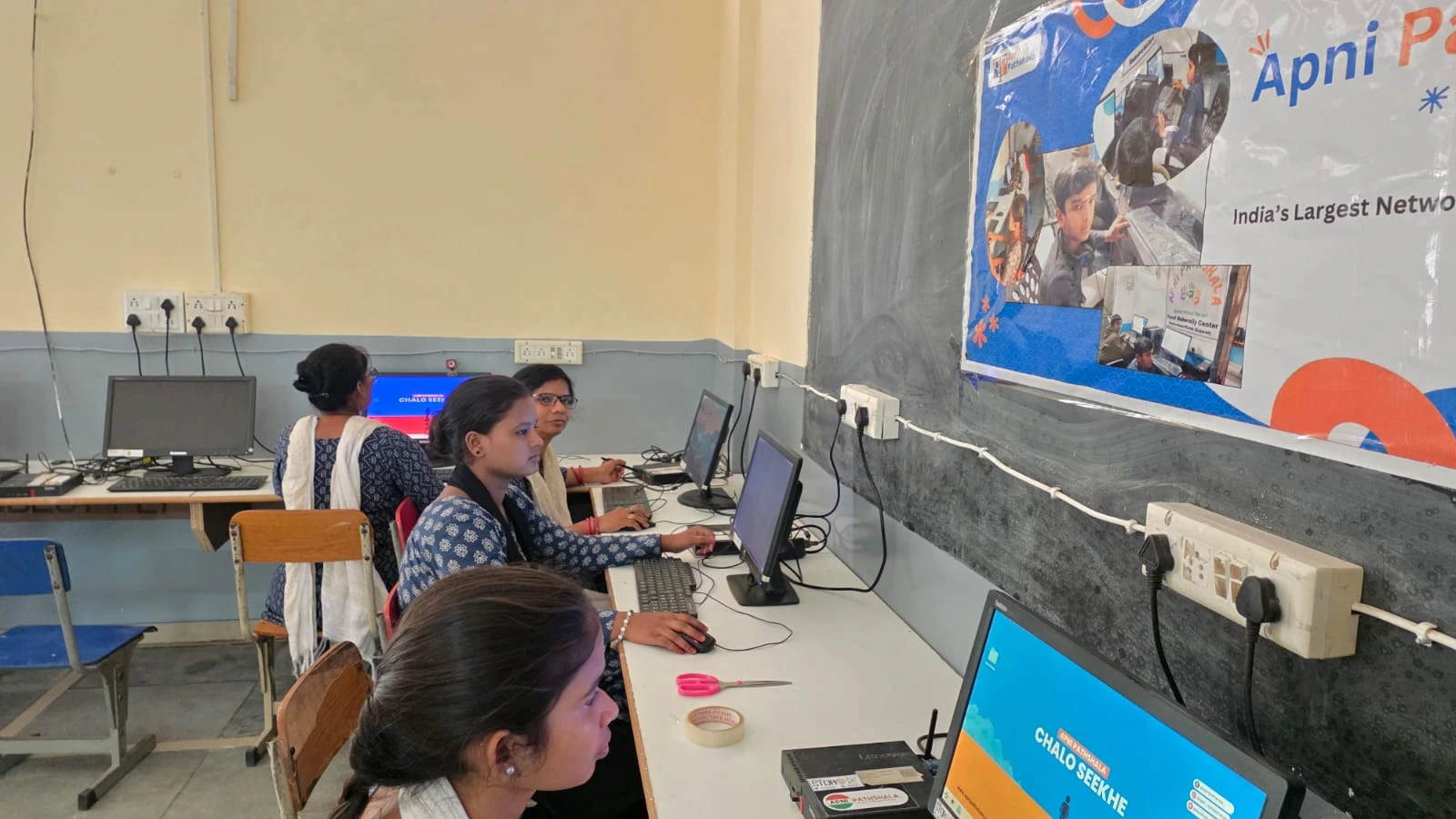
Parents often worry: “If I give my child a computer, won’t they just watch YouTube all day?” It’s a fair concern. But here’s what actually happens when you combine a proper educational computer with clear boundaries and purpose.
Your child develops self-study discipline naturally because they’re succeeding. They’re not forcing themselves to study. They’re drawn to the computer because it makes them feel capable. They want to solve the next problem. They want to beat their own high score on the practice quiz. You can learn more about self-study discipline with a home computer and how to set healthy boundaries around screen time while maximising learning outcomes.
Also, platforms like the DIKSHA digital learning platform provide free, high-quality educational content that you can load onto a computer. Your child has access to structured lessons from experienced teachers without paying for expensive tuitions.
Real Learning Happens When Fear Disappears
The truth is simple: your child can’t learn while they’re afraid. Fear shuts down the parts of the brain responsible for memory formation and problem-solving. Fear makes your child defensive, not curious. Fear turns learning mistakes into shame instead of lessons.
A computer, especially one designed for education like Apna PC, removes that fear. It creates space for your child to be imperfect, to struggle, to fail, and to try again. It transforms learning mistakes from something to hide into something to expect and embrace.
Your child doesn’t need a perfect score on the first try. They need to know that trying is safe. They need to see their own progress. They need to feel capable. That’s when real learning begins.
If your child is struggling with confidence, making mistakes, or avoiding practice learning, it might be time to create a better learning environment at home. Visit apnapc.com to learn more.