


Every student knows the feeling: you settle into your study session, open the chapter you need to finish, and within minutes, something breaks the moment. A sibling interrupts, the phone rings, or someone else needs the shared laptop. The ability to study without distractions is one of the most overlooked factors in how well a student actually learns. When the interruptions stop, something important begins. And the difference it makes, in focus, in retention, and in confidence, is larger than most families realise.
What Focused Learning for Students Really Means?
Most people think studying means going through notes or watching a lesson. But focused learning for students is something deeper: it is the mental state in which the brain moves information from short-term to long-term memory, where understanding forms, and where real retention begins.
This state is fragile. Research consistently shows that even a minor interruption resets the concentration cycle. After a distraction, a student can take 10 to 15 minutes to return to the same level of focus they had before. In a two-hour study session with just four or five interruptions, a student may get fewer than 45 minutes of actual focused work. The rest is recovery time.
The challenge is that the average Indian home is not designed for focus. Multiple children competing for one device, notifications from shared phones, and the lack of a quiet, dedicated space all work against a student’s ability to reach this state. Focused learning requires the right environment, not just effort and willpower.
Students who can maintain concentration through a full session complete more, retain more, and feel more capable. The quality of a study session matters far more than its length. An hour of genuine focus beats three hours of scattered, interrupted effort every single time.
The Difference That Uninterrupted Learning Makes
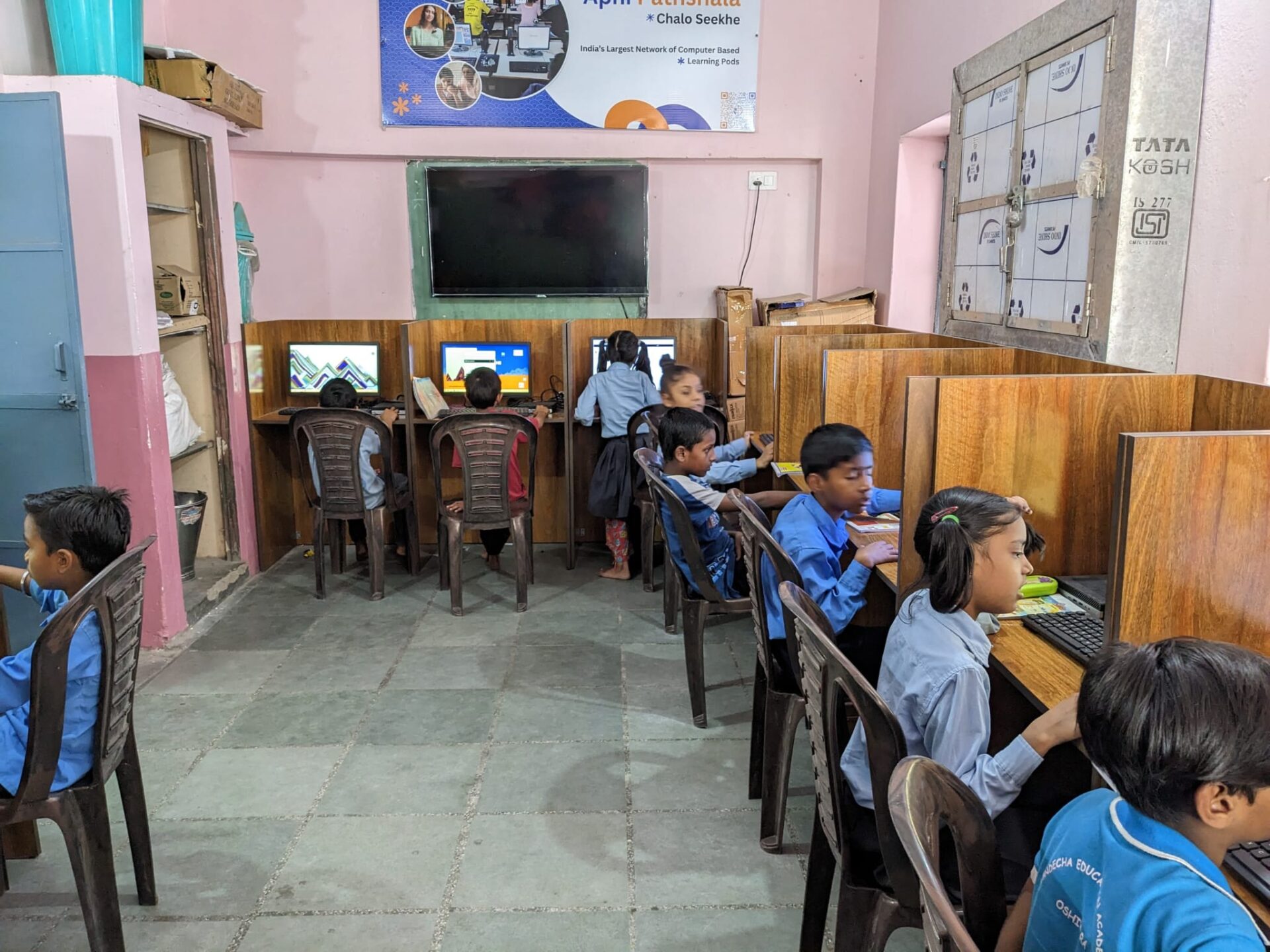
Uninterrupted learning is not just about finishing homework faster. It changes the entire relationship a student has with studying. When the learning environment works for them rather than against them, here is what actually happens:
- Retention improves. The brain encodes information more deeply during sustained attention. Reading a chapter once with full focus is far more effective than reading it multiple times while distracted.
- Confidence builds. Students who regularly complete what they start begin to believe they are capable learners. Constant interruptions create a pattern of incompleteness, and with it, self-doubt.
- Speed increases over time. Students who practise focused study become faster learners. They stop skimming the surface and start actually understanding the material.
- Stress decreases. When students know they have their own reliable time and device available, anxiety around deadlines and homework drops significantly.
- Effort produces results. Focused students find that their hard work pays off, motivating them to keep going.
According to UNESCO global education research, students who have access to stable, consistent learning environments perform better across all academic subjects. Stability means more than good teachers; it means a reliable, personal space to learn every single day, at home.
How a Better Study Environment Makes This Possible
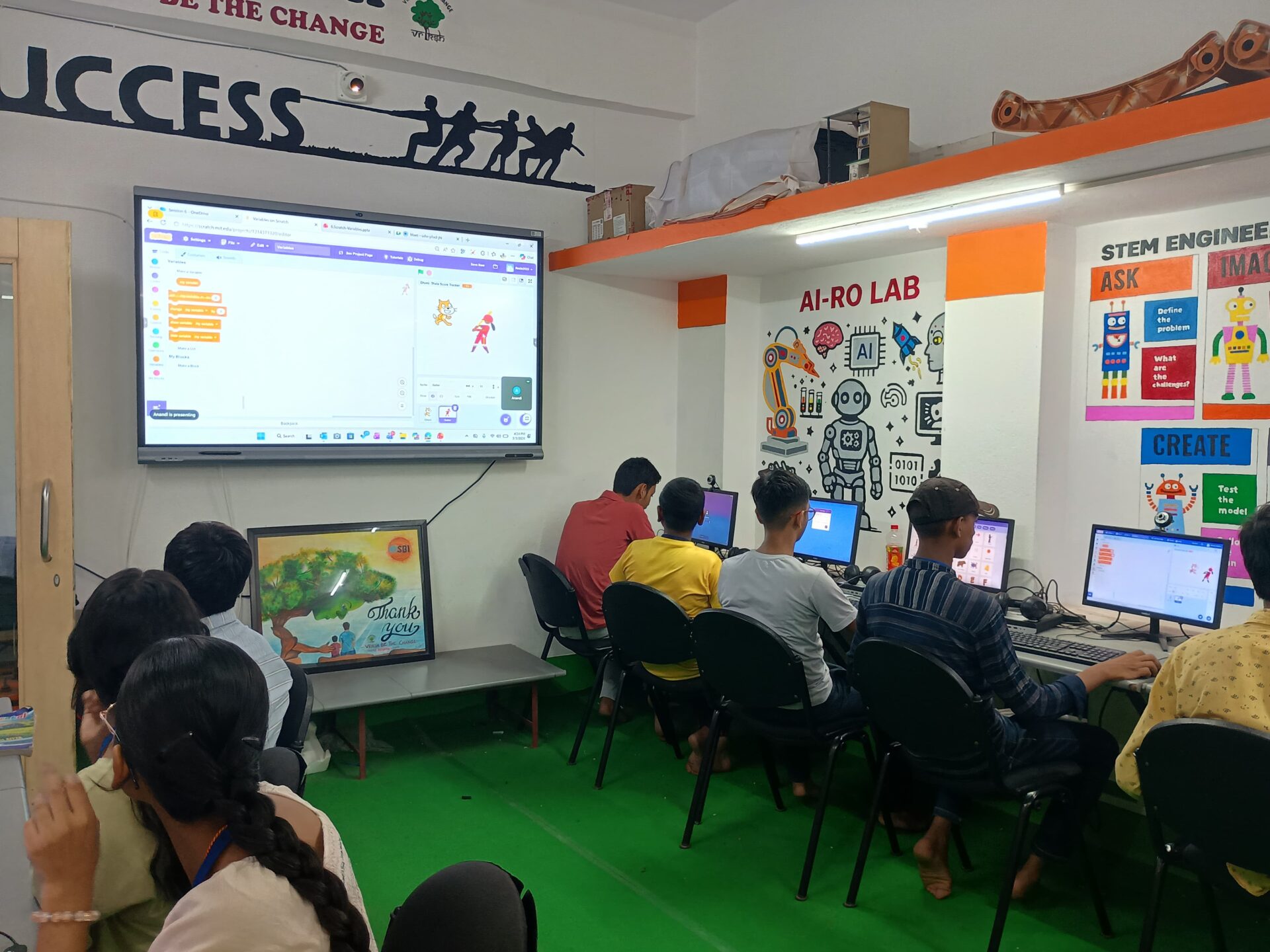
Many parents wonder why their children keep struggling to focus, even when they are clearly trying. The real answer often lies in the better study environment, or the absence of one.
When two or three children share a single phone or take turns on one laptop, no one actually gets uninterrupted learning time. Even the most motivated student is constantly aware that someone is waiting, that the device will be needed soon, or that their unsaved work could disappear. That background awareness is itself a form of distraction, one that never fully goes away.
A student with their own dedicated computer changes this completely. They can:
- Keep their notes, tabs, and files organised without anyone disturbing their setup.
- Pause and return to their work exactly where they left off.
- Practise at their own pace, revisiting difficult topics without feeling rushed.
- Build digital skills alongside academic ones, day after day.
The UNICEF India education report highlights that children from households with individual access to learning devices show measurable improvements in their academic outcomes. The device is not just a tool, it is access to a better version of their own potential.
Apna PC is designed for exactly this situation. At just ₹21,000 (shipping and GST excluded), it gives Indian families an affordable, practical way to put a personal learning device in their child’s hands. Read about how a Personal Computer Helps Students Learn beyond the school curriculum, and understand The Hidden Cost of Not Having a Computer in 2026, because the gap between students with and without personal digital access only grows wider with time.
If your child is ready to study without distractions, give them the environment they deserve. Visit apnapc.com to learn more.