

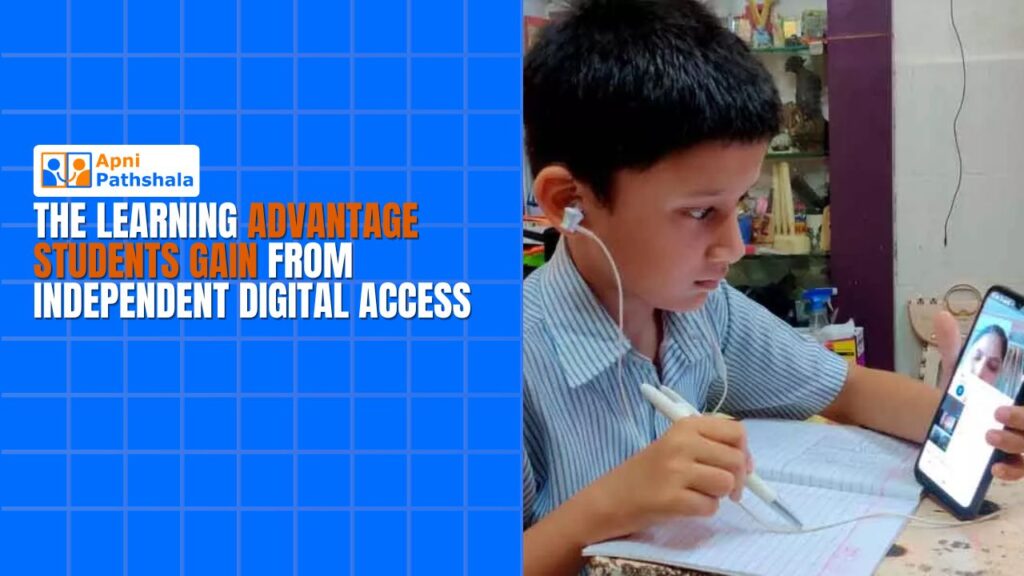
There is a clear difference between a student who shares a phone with three siblings and a student who has their own computer at home. That difference is not just about convenience; it is about the kind of learner each student becomes. Digital access for students, when it is personal and consistent, creates something that shared or restricted access simply cannot: the freedom to learn independently, on their own terms, at their own pace. That freedom compounds into a significant advantage over time.
What Independent Learning Skills Look Like With a Personal Device?
True independent learning skills are not taught in a classroom. They develop when a student has the space and tools to direct their own learning, to follow a question wherever it leads, revisit a concept as many times as needed, and build understanding without waiting for someone else to guide each step.
A student with personal digital access can search for a clearer explanation when the textbook version confuses them. They can watch a five-minute video that breaks down a concept better than an hour of passive reading. They can take a mock test, review their mistakes, and try again, all without a teacher present. This loop of explore, attempt, review, and repeat is exactly how deep learning happens.
Importantly, these habits transfer. A student who learns to direct their own study sessions at age 13 arrives at college with a skill set that most of their peers are still developing at 20. They know how to find answers, evaluate sources, and pace themselves through a syllabus. These are not academic skills; they are life skills. And they grow directly from the habit of independent digital learning.
Why Access to Technology in Education Changes Everything?
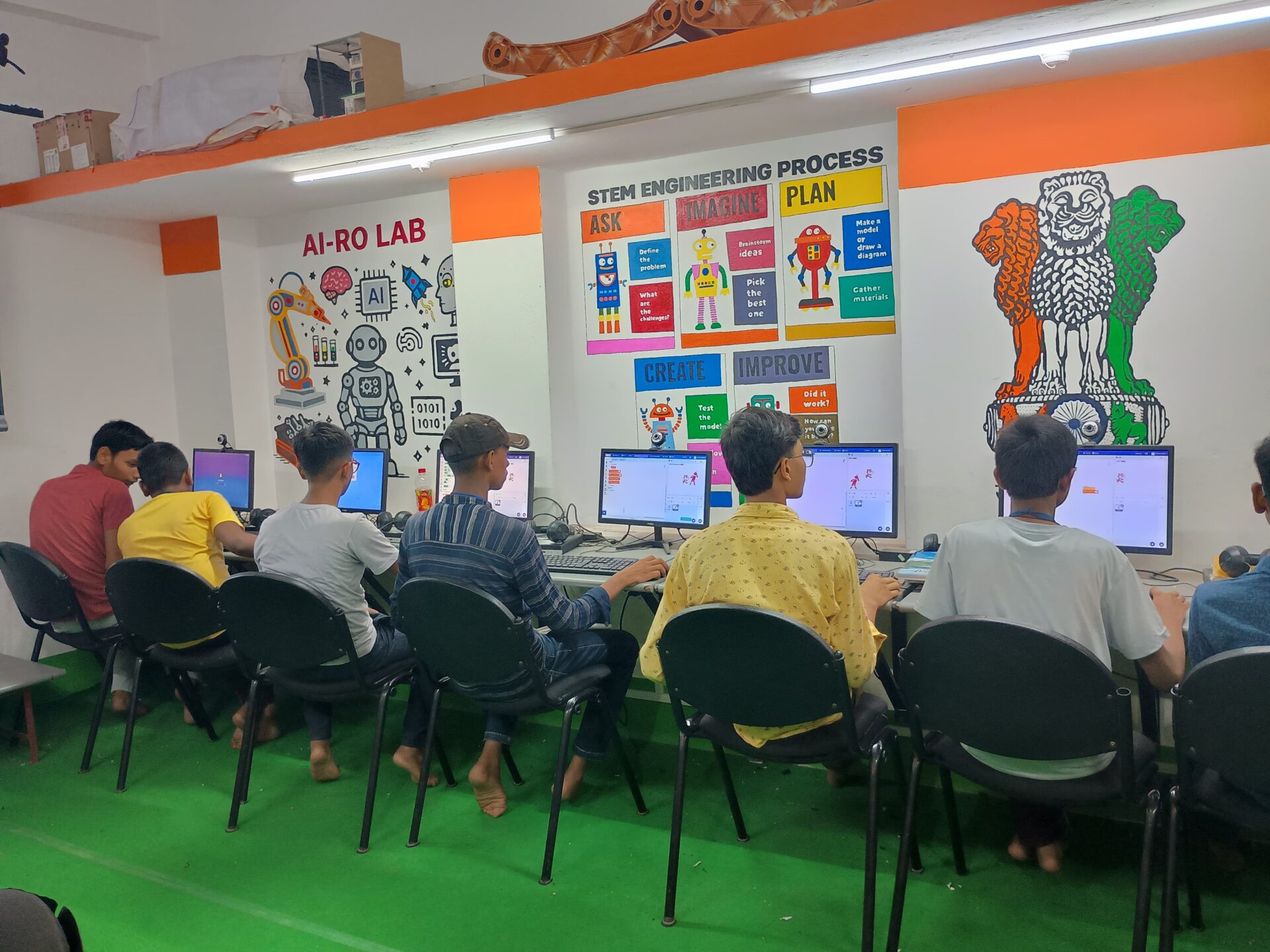
The phrase “access to technology in education” often conjures up images of school computer labs and government schemes. But the most impactful form of access is simpler: a student having their own device at home, available whenever they want to use it.
When access to technology in education is personal rather than shared or scheduled, students interact with it differently. They experiment. They explore topics that go beyond the syllabus. They stumble onto a subject they find genuinely interesting and follow that curiosity without anyone telling them to stop. That kind of exploratory learning is almost impossible on a shared phone with limited data and constant interruptions.
Independent digital access also levels the playing field in ways that are not immediately visible. A student from a small town who has a personal computer at home can access the same NCERT resources, practice tests, and video explanations as a student in a metropolitan city with access to expensive coaching. The device does not know the difference. What matters is whether the student has consistent, uninterrupted access to use it.
Platforms like DIKSHA India’s national digital learning platform offer a wealth of curriculum-aligned content completely free, but that content only becomes a real advantage when a student can access it regularly on their own device, not just once in a while on a borrowed screen.
How Self-Learning for Students Builds Long-Term Advantage
Self-learning for students is not about replacing teachers or schools. It is about what happens in the hours between school and sleep, the quiet time that either builds a student up or passes without contribution. Students who use that time well, with the right tools, pull ahead. Not dramatically at first. But consistently, over months and years, the gap grows.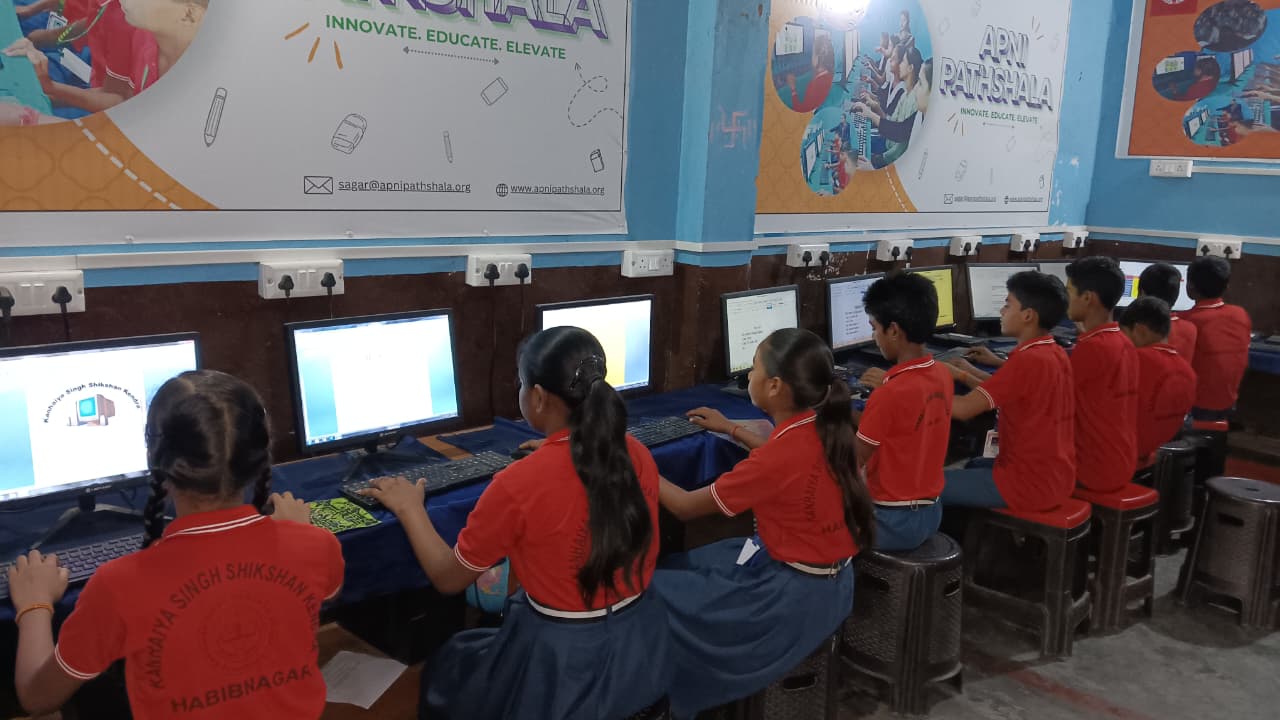
Self-directed learners ask better questions. They are not waiting to be told what is important; they are figuring it out. When they encounter a gap in their understanding, they address it immediately instead of letting it grow into a larger problem. This responsiveness is only possible when a student has independent access to learning resources at any hour.
There is also a confidence dimension to self-learning. Every time a student searches for an answer and finds it, they reinforce the belief that problems are solvable. Every time they work through a difficult concept alone, they prove to themselves that they do not need to rely on external guidance at every step. That self-belief is enormously valuable, especially during exam pressure, when the ability to trust your own preparation matters as much as the preparation itself.
UNICEF India’s child online safety guidelines emphasise that when children have guided, purposeful access to the internet, the outcomes are significantly more positive than unstructured use. A dedicated educational device at home, separate from entertainment, naturally encourages that purposeful engagement.
Read about what Apna PC is and how it helps Indian students learn better, to truly unlock the advantage that independent digital access provides. The students who grow into confident, capable learners are almost always the students who have had the tools to practise learning on their own.
Give Your Child the Independent Learning Advantage
Independent digital access is not a luxury; it is the foundation of self-directed, confident, capable learning. Apna PC puts that foundation in the hands of every Indian student at just ₹21,000 (shipping and GST excluded), so the advantage of personal digital access is not limited to a few. Visit apnapc.com to learn more.