

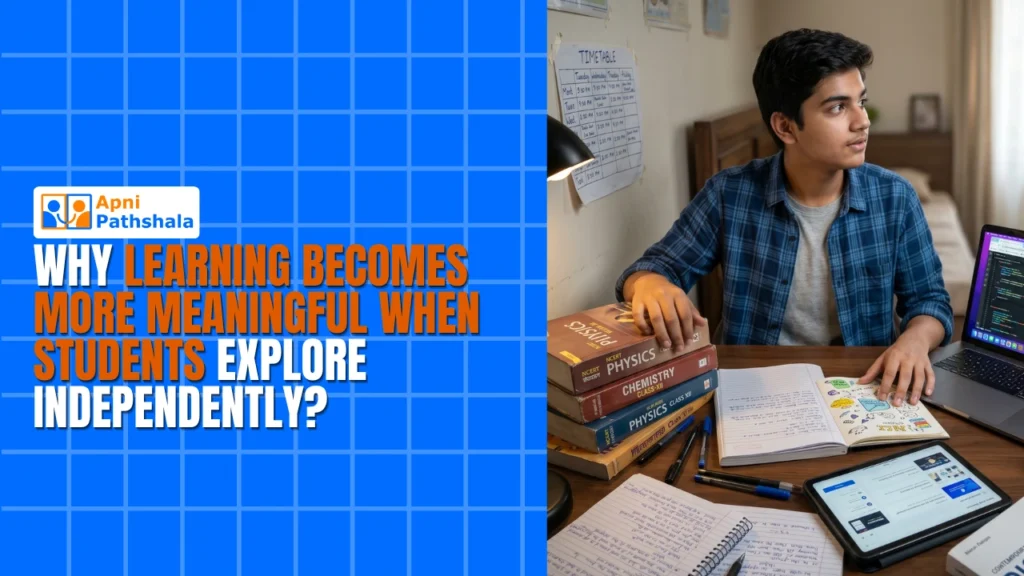
Learning becomes more meaningful when students explore independently because they choose what to study, make mistakes and work out the answer themselves, so the knowledge sticks. Information a child is simply told to memorise for an exam tends to fade soon after the exam is over.
The difference is not the subject. It is the method. For example, a child who solves a problem in a Scratch animation by searching, trying a few approaches and finally making it work often learns more about patience than from a term of copied exercises.
Why does curiosity-based learning work better?
Curiosity-based learning works because the child wants the answer. Every parent has seen a toddler open a drawer, pull things out and examine each one. Nobody teaches this. Curiosity drives learning naturally.
The same happens when a student has a computer. They open an application because it looks interesting, try something to see what happens, fail and try again. The learning is driven by curiosity, not by a syllabus.
In a classroom, the teacher decides what to learn, when and how quickly. There is little room for curiosity because the schedule does not allow it. When a student explores independently, they choose what interests them, spend longer on what they enjoy and go deeper into topics that excite them. Read more on turning curiosity into learning.
How does self-learning build deeper understanding?
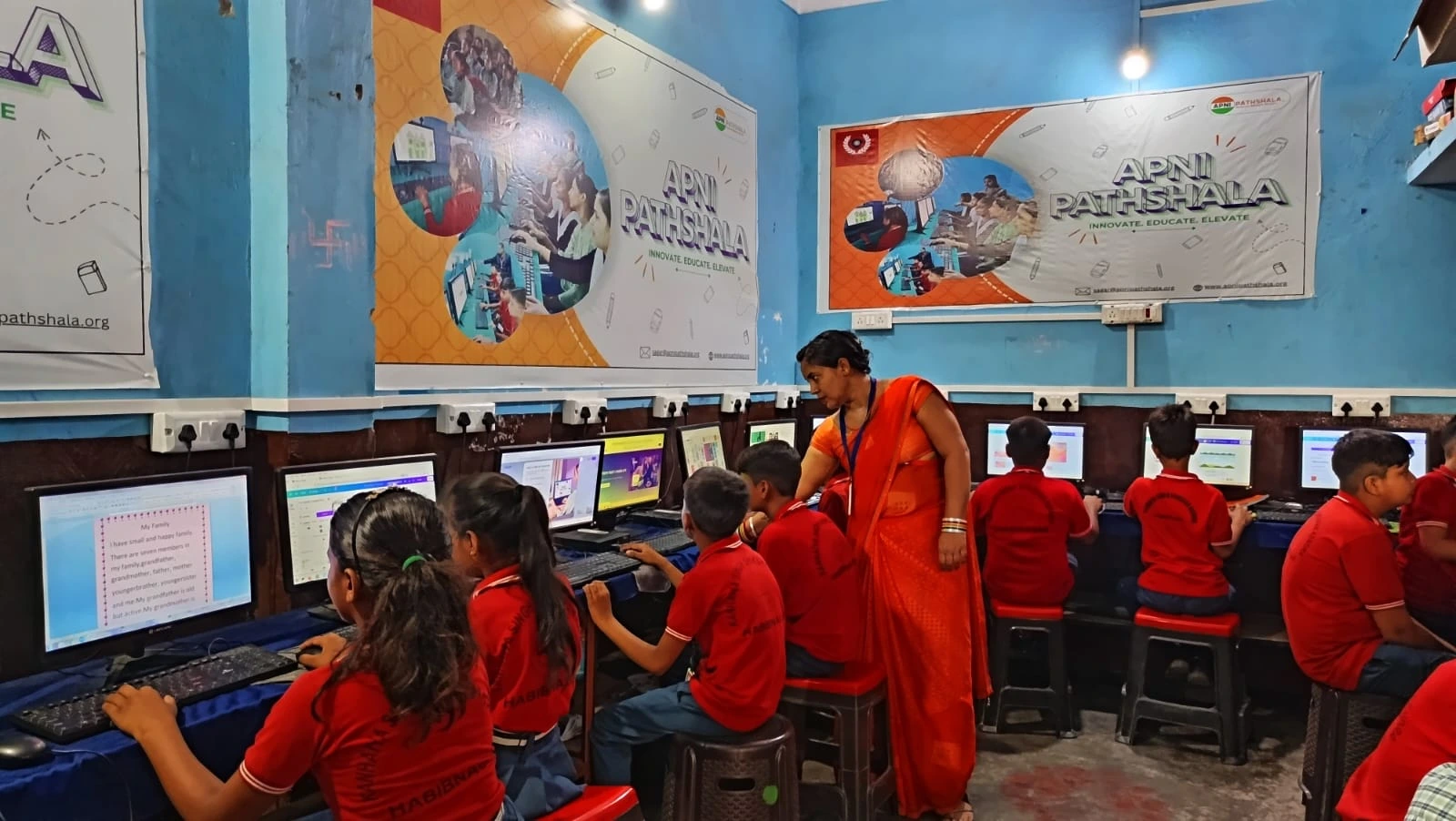
Self-learning builds the ability to figure things out without being told. A student who learns a spreadsheet by exploring it understands it better than one who follows a step-by-step tutorial, because the explorer makes mistakes, finds shortcuts and builds intuition.
This shows up in unexpected ways:
- A student who taught themselves Scratch picks up a new programming tool faster because they understand the logic.
- A student who explored LibreOffice can adapt to any document software because they know the patterns.
- The real skill is not one tool. It is the ability to learn any tool independently.
A personal computer helps students learn beyond the school curriculum, and its most valuable lesson is how to learn without formal instruction. See how a computer helps build academic independence.
Why does student engagement depend on ownership?
Students engage when the learning belongs to them. Teachers say students do not pay attention, and parents say children do not study, but the real problem is usually control, not laziness.
When a student studies something they did not choose, at a pace they did not set, engagement is close to zero. They finish because they have to, and the interest disappears with the pressure. When they explore something they chose, at their own pace, they do not need to be forced or watched.
How does a computer open up every subject?
A computer offers every subject and lets the student choose. A student curious about history can explore historical sites online, a science fan can run virtual experiments, and a young artist can try digital drawing.
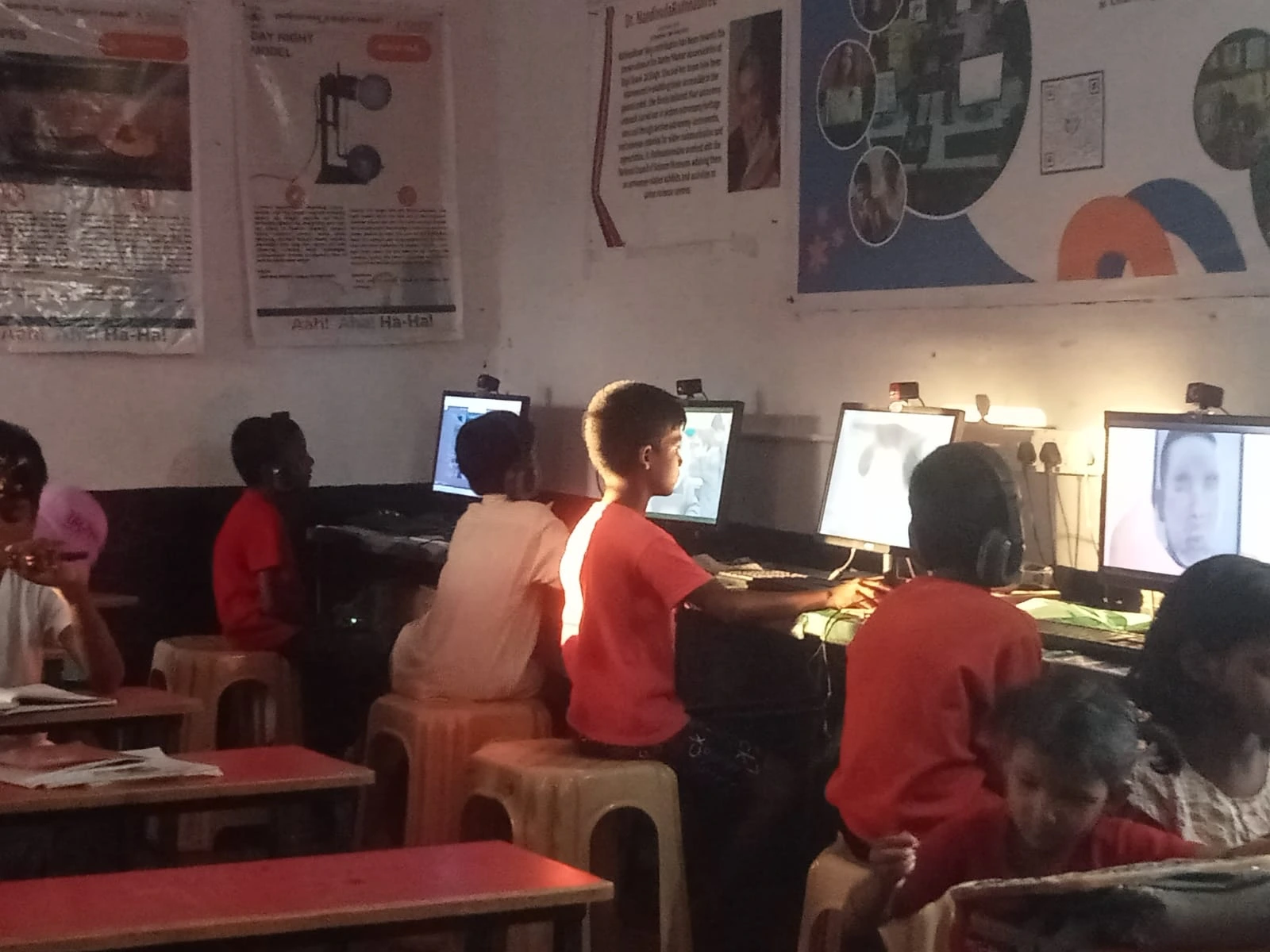
The biggest advantage a student can have today is not marks. It is the desire to learn independently, because a student who wants to learn will usually outperform one who only has to. Our guide on students taking control of their learning explores this further.
What can parents do to encourage independent learning?
Parents can create the conditions for curiosity, not force it. The simplest step is to give your child a computer and then step back.
Do not dictate what to learn or set a rigid slot like “learn coding from 4 to 5 PM.” Give them the machine and space, and watch what they gravitate toward. The child who fights homework may spend an hour building something in Scratch. The child who avoids reading may spend forty minutes researching something they care about.
Independent learning does not mean leaving a child alone with a computer. It means trusting that their curiosity, with the right tools, is enough. To judge when your child is ready, read signs your child can study independently.
Frequently Asked Questions
Does independent learning mean no guidance at all?
No. Independent learning means the child chooses what to explore and works through problems themselves, while parents still provide the tools and space. You stay involved by noticing what your child gravitates toward, rather than dictating every subject, schedule and method they use.
Is exploring on a computer a waste of study time?
Not when it builds real skills. A child who works out a Scratch problem or learns a spreadsheet by trying things builds problem-solving, patience and persistence. These skills carry over to schoolwork because the child learns how to learn any new tool on their own.
Which software helps children explore independently?
Tools like Scratch, LibreOffice, VS Code, Blender and Arduino IDE give children room to build, write, code and design. Each one rewards trial and error, so a curious child can keep discovering new things without needing a teacher to guide every single step.
Apna PC comes pre-loaded with Scratch, LibreOffice, VS Code, Blender and Arduino IDE. At ₹30,000 (shipping and GST excluded), it gives your child the tools to start learning independently. Visit apnapc.com to learn more.