

Anjali’s Test Day Tears: A Story Many Parents Know
Anjali sat at her desk in Indore, staring at her mock exam paper. Her hands were shaking. Outside, her mother Priya paced the living room, checking her phone every thirty seconds. When Anjali scored 62 out of 100, Priya’s heart sank. “But you scored 68 last week,” she said, her voice tight. Anjali burst into tears. For weeks, she had been taking practice tests, but instead of feeling ready, she felt more anxious with each one. The scores weren’t going up in a straight line. Some days were better, some worse. Neither Anjali nor Priya understood that these assessments aren’t just about marks. They’re about building real exam confidence and identifying growth areas that matter.
If your family has felt this way, you’re not alone. Thousands of students across Tier 2 and Tier 3 cities take mock exams and feel stressed rather than prepared. The good news? There’s a different way to approach this.
Why Practice Tests Feel Like Pressure Instead of Progress
Mock exams often feel like pressure because students and parents treat them like final exams. You take the test, get a score, and either celebrate or worry. That’s it. But this approach misses the whole point of what assessments are for.
When you focus only on the number, you’re missing the learning. You’re not asking why you got Question 7 wrong, or why you ran out of time on the last section, or which topics need more work. This narrow view turns every assessment into a judgment day rather than a learning opportunity.
Parents add to this pressure without meaning to. You compare your child’s score to their friend’s score, or to last month’s score. You expect straight improvement. But real learning doesn’t work that way. Some days your child will understand algebra better and score higher. Some days they’ll attempt harder questions and score lower, which actually shows growth, not failure.
- Pressure trap 1: Treating mock exams like final results instead of learning tools
- Pressure trap 2: Expecting scores to always go up in a straight line
- Pressure trap 3: Comparing your child’s scores to others
- Pressure trap 4: Not reviewing what went wrong after the test
According to standardized testing research, students who view assessments as learning checkpoints, not judgment points, perform better under actual exam pressure. They’re more likely to take risks, try harder problems, and bounce back from mistakes.
How to Turn Practice Tests Into Real Progress
The shift from pressure to progress starts with a mindset change. You and your child need to see practice tests differently.
First, separate the test from the score. After your child finishes a practice test, don’t jump to the marks. Instead, ask: “What was hard? What did you learn? What will you do differently next time?” These questions focus on learning, not judgment. Your child learns that mistakes are data, not disasters.
Second, track improvement in specific areas, not just overall marks. If your child scored 55 out of 100, that’s one number. But it hides the real story. Maybe they got 80% of math questions right but only 40% of comprehension questions. Maybe they managed time well but made careless errors.
When you track specific skills, like “You improved in geometry from 50% to 65%,” your child sees real progress. This builds genuine confidence because it’s based on actual growth, not just luck or a good day.
Third, use mock exams to plan, not just to measure. After reviewing a practice test, you and your child should identify two or three specific areas to focus on before the next one. Maybe it’s “Practice word problems in Chapter 5” or “Read each question twice before answering.” This turns assessments into a roadmap for improvement.
Let’s look at how this worked for Anjali. After her 62-mark test, her mother asked her to identify three topics she found hardest. Anjali said: quadratic equations, time management, and careless mistakes in mental math. Instead of general “study harder” advice, they made a plan. Anjali spent 15 minutes daily on quadratic equations. She practised solving tests in 90 minutes instead of taking as long as she wanted. She reviewed her careless errors in a notebook.
Two weeks later, her mock exam score was 68. But here’s what mattered more: she’d improved on quadratic equations from 30% to 70%. She completed the test with 5 minutes to spare. She made fewer careless errors. These specific improvements felt real to Anjali because they were real.
Learn more about how mock growth tests can transform your child’s exam preparation.
Tools That Help Students Track Real Growth
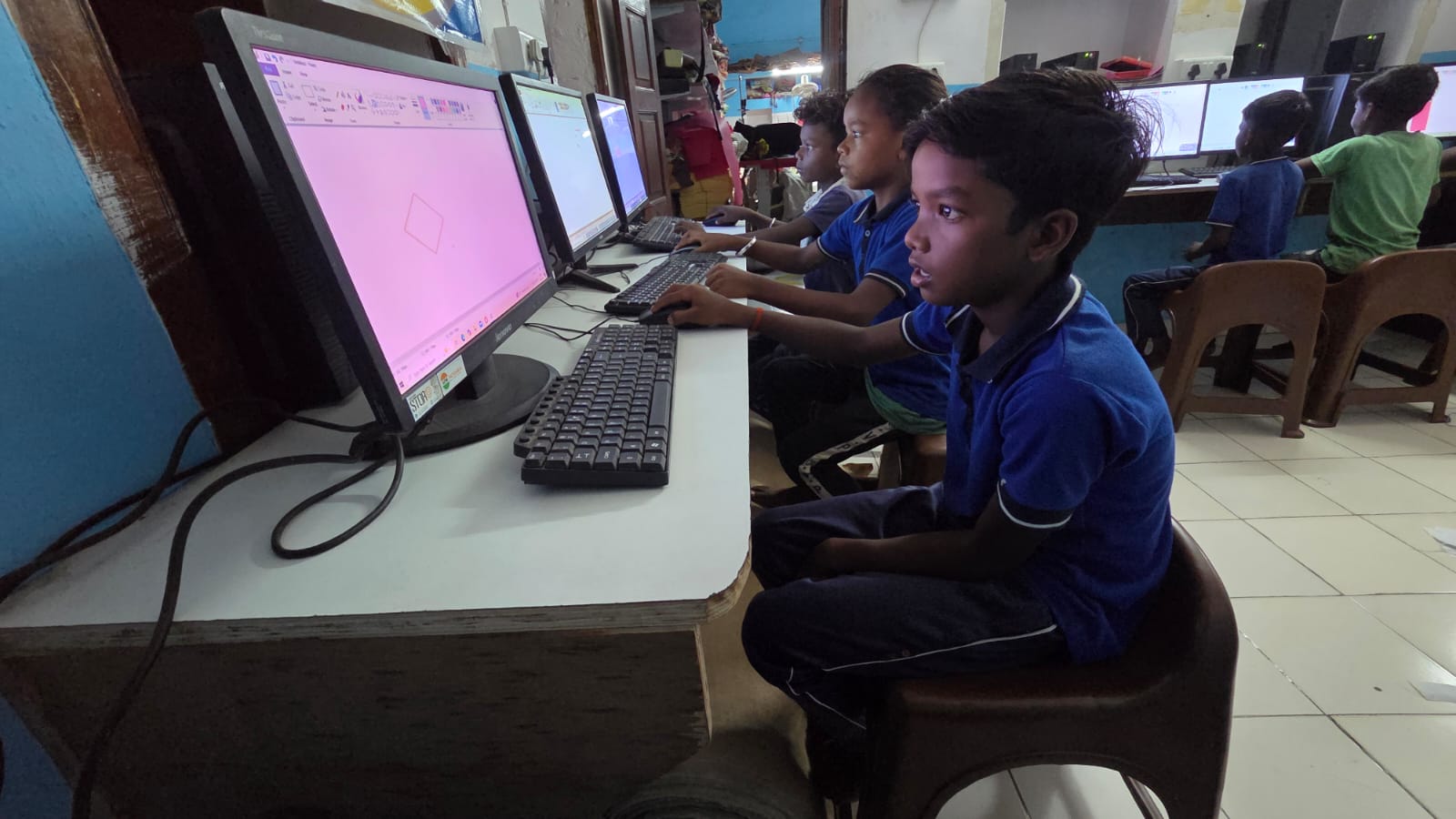
The right tools make a difference. A good computer setup lets your child take mock exams comfortably, review answers clearly, and track progress over time.
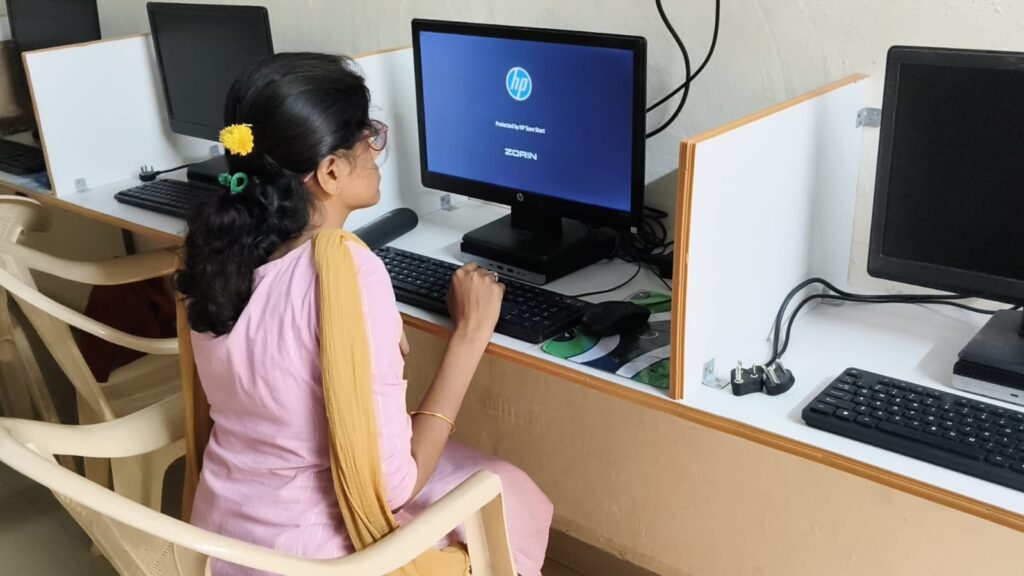
The Apna PC, a purpose-built educational computer by Apni Pathshala, comes pre-loaded with tools that support this approach. It includes Apni Prerna, a student monitoring system that helps you and your child track which topics need work. With 8GB RAM and 128GB SSD, it runs smoothly even when your child is juggling multiple tests, notes, and study materials. The pre-loaded Zorin OS and LibreOffice make it easy to organise study materials and create progress charts. For younger students, Scratch helps build problem-solving skills that transfer to exam performance.
At Rs.30,000 (shipping and GST excluded), the Apna PC is an investment in your child’s learning environment. It’s not just a computer. It’s a tool that helps your child engage with mock exams in a focused, organised way, free from distractions.
Research from UNESCO education research shows that when students have a dedicated, distraction-free study space with the right tools, they’re more likely to engage deeply with learning materials.
For more ways to celebrate your progress, check out our guide on turning small wins into big motivation.
Making Mock Exams Part of Your Family’s Routine
Here’s a practical routine that turns practice tests into progress, not pressure:
- Week 1-2: Your child takes a baseline test to see where they stand. Don’t worry about the score. Focus on identifying three or four weak areas.
- Week 3-6: Your child focuses on these weak areas through targeted study. They take shorter, topic-specific tests to track improvement.
- Week 7: Your child takes another full mock exam. Now compare specific skills, not just overall marks. Celebrate the improvements you see.
- Week 8: Repeat with new weak areas. The cycle continues.
This routine takes the pressure off because it removes the expectation of constant improvement. Instead, it creates a system where progress is visible, specific, and real.
When Anjali’s mother started this routine, everything changed. Anjali stopped seeing these assessments as pass-or-fail moments. She started seeing them as opportunities to learn what she didn’t know yet. Her scores improved, yes, but more importantly, her confidence grew because it was built on actual skill development, not just luck.
Your child can experience the same shift. Practice tests don’t have to feel like pressure. With the right mindset, the right tools like Apna PC, and the right routine, they become what they’re meant to be: stepping stones to exam success and genuine learning.
Start this week by having a conversation with your child about what they find hardest in their current studies. Then take one practice test together, not to judge, but to learn. Visit apnapc.com to learn more.