

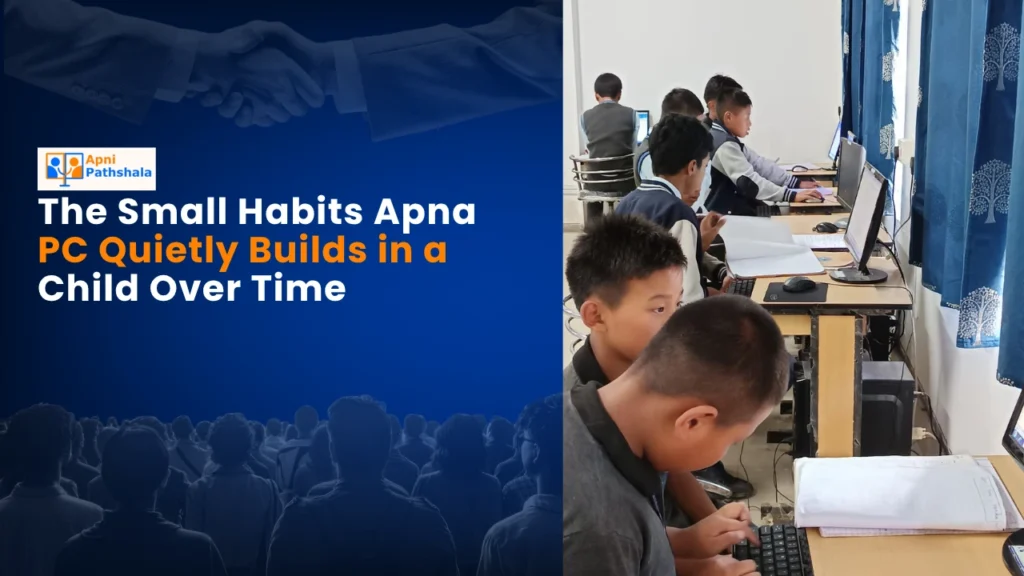
When Rajesh Bought a Computer, He Didn’t Expect This
Rajesh lives in Indore with his two children, Aditya (10) and Priya (8). Last year, he bought an Apna PC for Rs. 30,000, thinking it would be just another screen in the house. His wife, Sneha, worried it would distract them from their studies. But something unexpected happened. Within weeks, Aditya started waking up earlier. He’d sit at the computer for 30 minutes before school, not playing games, but learning through digital learning modules. Priya began typing her homework instead of writing it by hand. Small changes. Quiet changes. But changes that stuck.
This isn’t a story about technology replacing teachers. It’s about how the right computer, with the right setup, quietly builds study habits and computer skills in your child that compound over months and years. Digital learning at home isn’t about screen time. It’s about intentional time. And the digital learning habits Aditya picked up are proof that small, consistent effort beats big plans every time.
How Digital Learning Builds the Habit Loop
Your child doesn’t build study habits overnight. They build them through repetition, through small wins, through a space that feels safe for learning. When you set up a dedicated computer for studies at home, you’re creating a trigger. The computer becomes a study tool, not a distraction tool. The Apna PC comes pre-loaded with Apni Prerna, a student monitoring system that helps you track what your child is doing, and more importantly, helps your child stay focused on learning tasks.
Here’s what happens in the first month. Your child sits down to use the computer. They see Scratch, a visual coding platform, already waiting. They don’t need to search for it. They don’t get lost in YouTube. They see learning options right there. They click. They try. They fail. They try again. This is the habit loop. Show up. Engage. Repeat. Within 30 days, this becomes automatic.
Aditya’s mother noticed he’d started asking for help with coding problems instead of giving up. He’d spend 15 minutes troubleshooting a Scratch project. This persistence? This didn’t come from lectures. It came from a computer that made learning feel like a natural next step, not a punishment.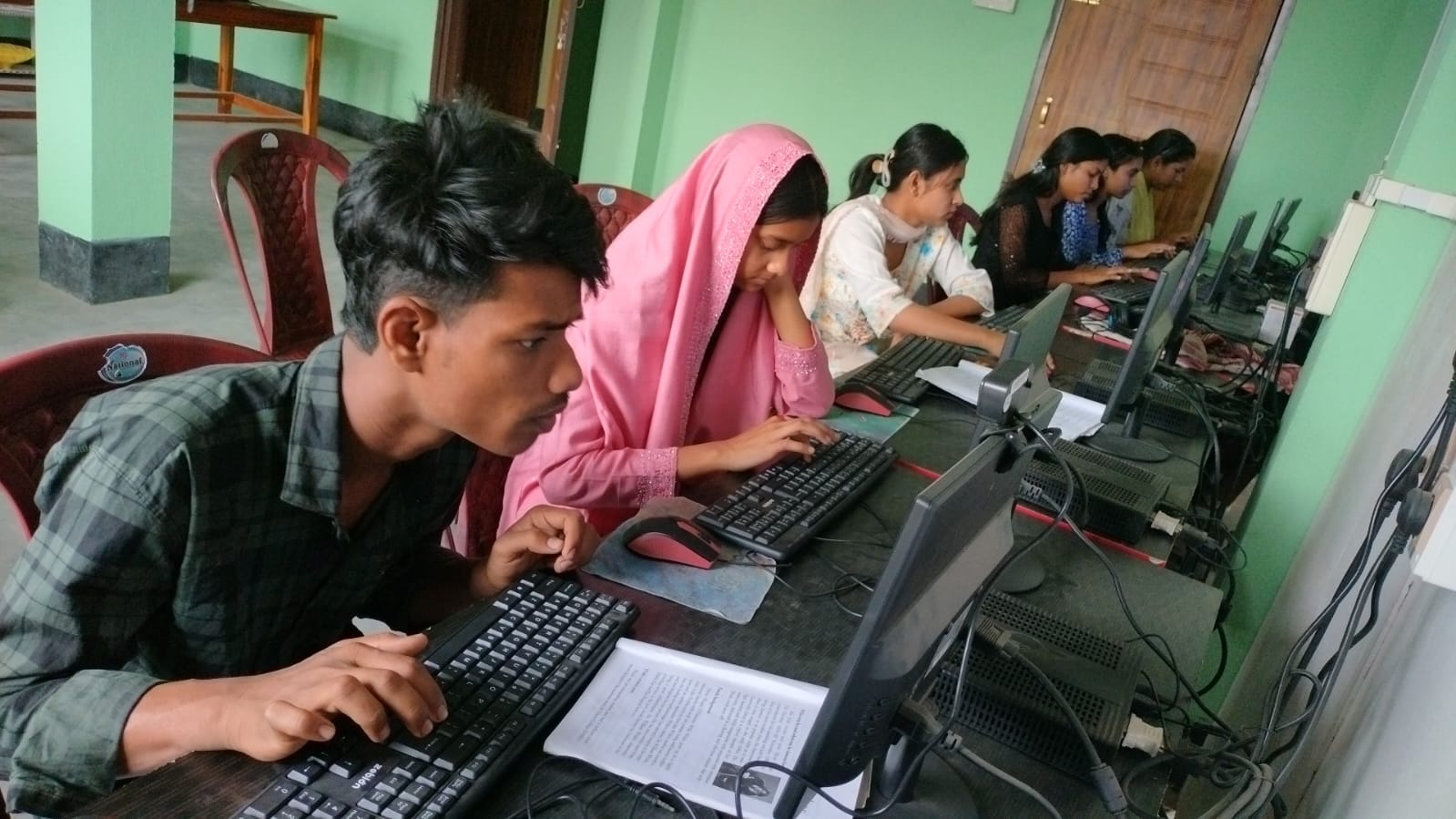
Computer Skills Become Second Nature
In Tier 2 and Tier 3 cities, many children don’t get regular access to computers until high school. By then, they’re already behind. They hunt and peck at keyboards. They don’t know what a file system is. They click randomly hoping something works. The Apna PC changes this timeline. Your child learns computer skills for kids starting at age 8 or 9, not 14 or 15.
The Apna PC runs Zorin OS, a Linux-based system that’s clean, fast, and built for learning. It has LibreOffice pre-installed. Your child learns to create documents, spreadsheets, and presentations the way professionals do. They learn keyboard shortcuts. They learn file organisation. They learn to save, backup, and manage their own digital work. These aren’t fancy skills. These are foundational skills that take years to build without the right environment.
Priya started typing her Hindi essays instead of handwriting them. Her typing speed went from 5 words per minute to 25 in three months. More importantly, she stopped seeing the computer as a toy. She saw it as a tool. That shift in perspective is everything.
Digital Learning Makes Self-Learning Your Child’s Superpower
The biggest habit the Apna PC builds isn’t about typing or coding. It’s about self-learning. When your child has access to tools like Scratch, LibreOffice, and a stable computer, they start asking their own questions. They start exploring. They start learning without waiting for a teacher to tell them what to do. This is the habit that matters most in 2024 and beyond.
You can read more about how self-learning works on a home computer and why it’s different from classroom learning. Self-learning means your child develops curiosity. It means they learn to troubleshoot. It means they learn that mistakes are information, not failure.
Aditya started watching coding tutorials on his own. Not because his parents told him to, but because he wanted to build something specific in Scratch. He’d pause, try, fail, restart. He’d come to his parents with questions that showed real thinking. This is what happens when you give a child the right tools and the right environment. Learning stops being something that happens to them. It becomes something they do.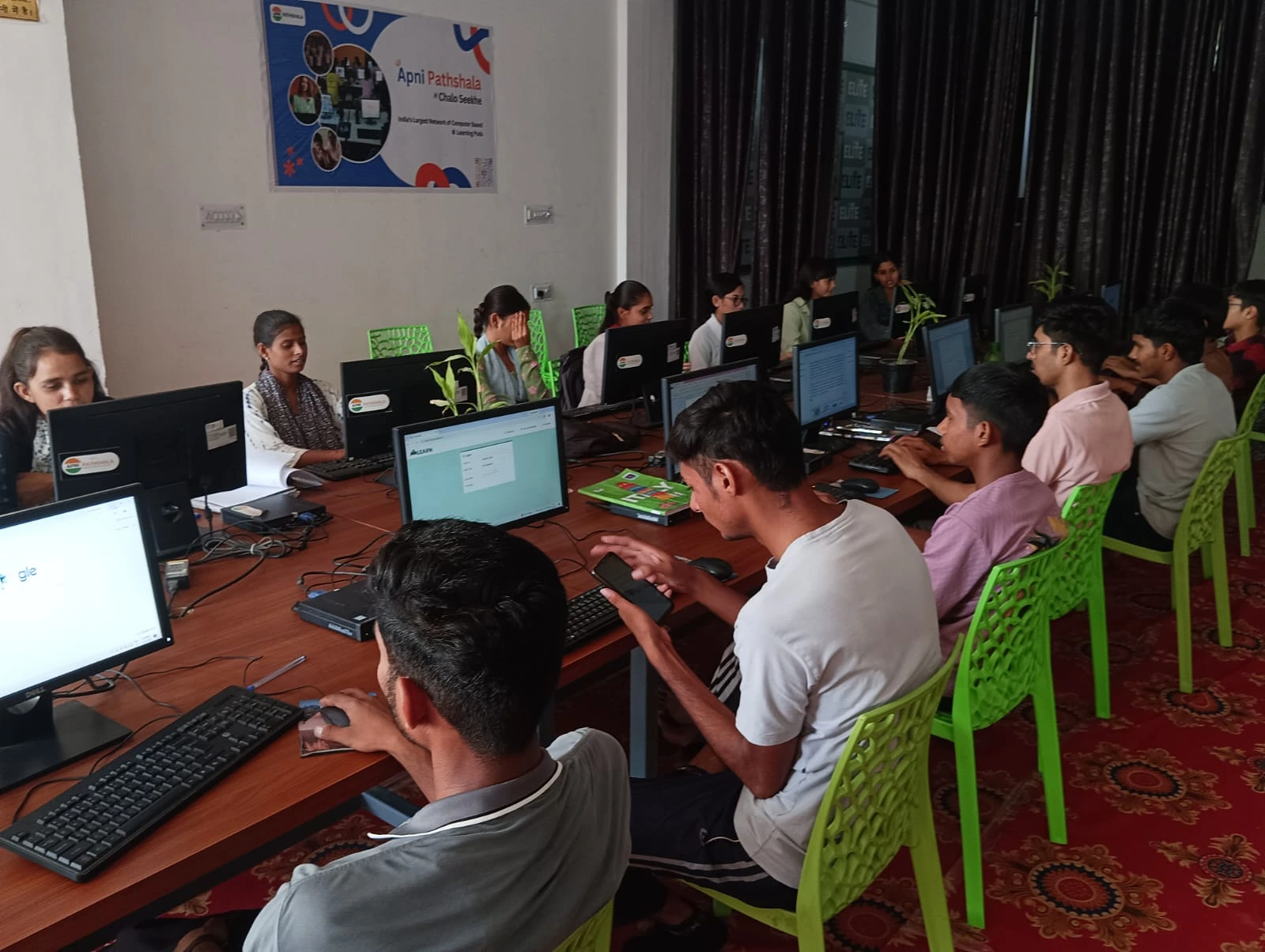
The Role of Structure and Monitoring
Now, you might worry that without a teacher, your child will waste time. That’s where Apni Prerna comes in. This student monitoring system lets you see what your child is working on. It’s not about spying. It’s about staying informed. You can see that Aditya spent 45 minutes on a Scratch project. You can see that Priya completed her typing exercises. You can see patterns. And you can gently guide without controlling.
You can also explore building better study habits with online learning to understand how to support your child’s learning journey at home. Structure matters. Your child needs to know that 4 PM to 4:45 PM is computer study time. Not flexible. Not optional. Consistent. This consistency is what builds real habits.
Why Tier 2 and Tier 3 Cities Need This Now
The Digital India initiative has brought internet to many smaller cities. But internet alone isn’t enough. Your child needs a reliable computer. A computer that’s built for learning, not gaming. A computer that won’t crash when they’re in the middle of an important project. The Apna PC, with its 8GB RAM and 128GB SSD, is built for this reality.
In Indore, Nagpur, Jaipur, and hundreds of other Tier 2 and Tier 3 cities, parents like you are asking the same question: How do I give my child the skills they need without moving to a big city? The answer is sitting on a desk. It’s a computer that works. A computer that’s affordable. A computer that’s built by Indians, for Indian students.
A personal computer at home isn’t a luxury anymore. It’s a necessity. And when that computer is designed specifically for learning, it becomes something more. It becomes a teacher, a coach, and a safe space for your child to grow.
The Habits That Last
Six months after buying the Apna PC, Rajesh noticed something. Aditya was more independent. He’d solve problems before asking for help. He’d start homework without being reminded. Priya was more confident typing. She’d organised her own digital folders. These aren’t big changes. But they’re real. And they’re lasting.
The small habits your child builds with digital learning today will shape how they learn, work, and think tomorrow. A computer at home isn’t just about grades. It’s about building a learner. It’s about building a child who’s comfortable with technology, confident in their ability to figure things out, and curious enough to keep growing.
If you’re a parent in a Tier 2 or Tier 3 city wondering if now is the time to bring a computer home, the answer is yes. The Apna PC makes it affordable. The pre-loaded software makes it simple. And the results speak for themselves. Your child is waiting for this opportunity. Don’t make them wait longer. Visit apnapc.com to learn more.