


Rajesh sat at his kitchen table in Indore, watching his 10-year-old son Arjun stare at a smartphone screen for the third hour that evening. The boy’s shoulders were hunched, his eyes tired, but he kept scrolling through videos instead of opening the study app his tuition teacher had recommended. Rajesh realised something that night: his son had never actually used a proper computer. All his “learning” happened on a 6-inch screen, and his first computer habits were already forming around distraction, not focus. This moment changed how Rajesh thought about his child’s digital future.
Your child’s first computer habits shape how they approach learning, work, and technology for the next decade. Whether they learn on a phone, a budget laptop, or a purpose-built educational computer makes a real difference in their concentration, productivity, and love for learning.
Why Your Child’s First Computer Matters More Than You Think
When a child gets their first computer, they’re not just getting a device. They’re forming habits that stick around. If that first experience is on a phone, they learn to multitask poorly, get distracted easily, and see screens as entertainment portals. If its on a proper computer with a keyboard and mouse, they learn different skills: typing speed, file management, real productivity.
According to the Digital India initiative, millions of students across tier 2 and tier 3 cities are now getting access to computers for the first time. The question isn’t whether your child will use a computer. It’s what kind of computer experience they’ll have first.
Research shows that students who start on phones develop different neural pathways than those who start on computers with proper keyboards and screens. A phone trains your brain for rapid switching and shallow engagement. A computer trains your brain for deep work and sustained focus. Your child’s first computer habits become their default mode for learning.
The Phone vs Computer Learning Gap Your Child Might Be Missing
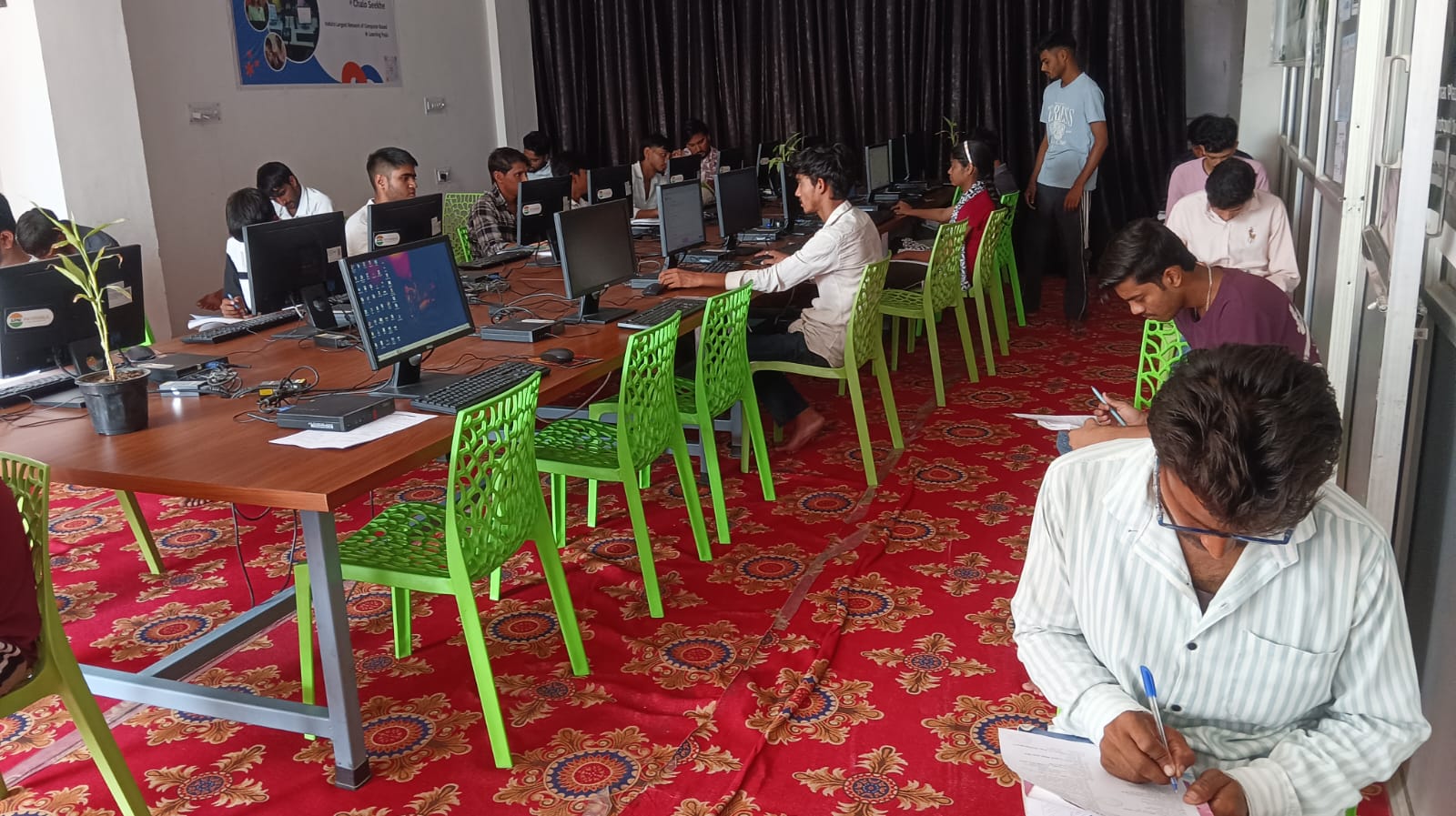
You’ve probably noticed that your child can use a phone perfectly but struggles with basic computer tasks. They dont know how to type properly, they cant navigate folders, they dont understand file systems. This isnt laziness. It’s because their first computer habits were formed on a device designed for consumption, not creation.
Check out our detailed comparison on phone vs computer learning to see exactly how these habits differ. The gap is bigger than most parents realise.
- Typing speed: Children who learn on computers reach 40-60 words per minute by age 12. Phone users rarely exceed 20 words per minute.
- Problem-solving: Computer users learn to break down tasks into steps. Phone users learn to find quick answers.
- Creation vs consumption: Computers teach your child to make things. Phones teach them to consume things others make.
- Focus duration: A child at a computer can maintain focus for 45-60 minutes. A child on a phone rarely stays focused for more than 8-10 minutes.
- Digital literacy: Real computer skills (file management, software, coding basics) only develop on actual computers.
These aren’t small differences. They compound over years. Your child’s first computer habits determine whether they’re a digital creator or a digital consumer by age 16.
What Makes a Good First Computer for Your Child
Not every computer is right for a child’s first experience. Gaming laptops teach bad habits. Tablets teach phone-like behaviors. Expensive devices create fear of breaking them. Your child’s first computer should be reliable, affordable, and designed specifically for learning.
Apna PC is built exactly for this purpose. It’s an educational computer by Apni Pathshala, priced at Rs. 30,000 (before shipping and GST), with everything your child needs to develop strong first-computer habits. It comes pre-loaded with Zorin OS (intuitive and safe), Apni Prerna (student monitoring so you can track progress without being invasive), LibreOffice (professional productivity tools), and Scratch (visual coding for beginners).
The hardware specs matter too: 8GB RAM ensures smooth multitasking, 128GB SSD means fast boot times and no frustration, and the keyboard-mouse setup trains proper typing habits from day one. Your child isn’t learning on a phone pretending to be a computer. They’re learning on a real computer designed for real learning.
If you’re worried about cost, read our guide on family laptop cost to see how multiple children can share the investment.
Building Lifelong Digital Habits Starting Today
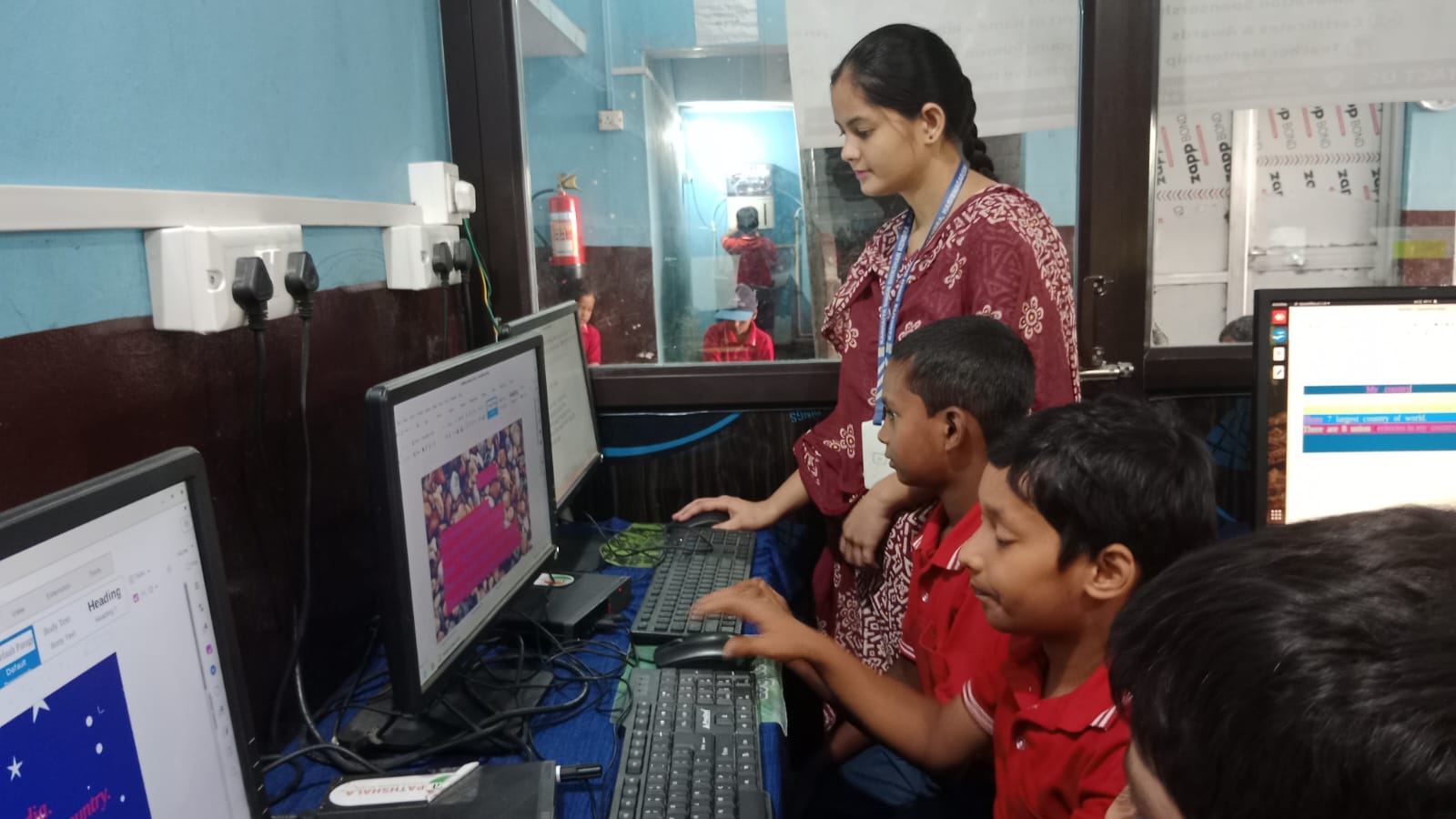
Your childs first computer habits dont just affect this year. They affect college applications, competitive exams, job interviews, and career choices. A child who learned to code on their first computer thinks differently than a child who only learned to scroll.
The personal computer revolution happened because computers made creation accessible to everyone. Your child deserves that same opportunity. Not a phone that makes them a consumer, but a real computer that makes them a creator.
Start your child’s digital journey right. The habits they form now will echo through their entire life. Apna PC gives you the tool to make sure those habits are productive, creative, and focused.
Your child deserves a first computer that teaches them to think, create, and solve problems. Visit apnapc.com to learn more.