


Rajesh’s Daughter Wanted to Code, But Their Computer Couldn’t Keep Up
Rajesh sits in his small apartment in Indore, watching his daughter Priya stare at their old laptop. She’s twelve, bright-eyed, and desperate to learn coding. Her school computer lab has only five machines for forty students. At home, their ageing laptop freezes every time she opens more than two browser tabs. Priya wants to build things, to create, to move beyond just watching YouTube tutorials. But their computer needs for students aren’t being met. This is the story of thousands of families in Tier 2 and 3 Indian cities who want their children to learn practical skills, but don’t have the right tools.
You know this feeling. Your child comes home excited about a school project on digital literacy or coding basics. You want to support them. But your family’s computer is slow, outdated, or shared among everyone. The gap between what your child learns in theory and what they can build at home can feel impossible to close. That’s where the real learning stops.
Why Your Child Needs a Computer That’s Built for Learning
A computer for students isn’t just about having a device. It’s about having the right device. When your child learns coding in school, they need more than to understand loops and functions. They need to write code, run it, fix it, and see results immediately. That hands-on experience is where learning becomes real.
Traditional computers are built for browsing, email, and office work. They aren’t optimised for young learners who need speed, reliability, and pre-loaded educational software. Your daughter might spend thirty minutes waiting for a program to load instead of thirty minutes actually learning. That wasted time adds up.
Apna PC changes this. It’s a computer designed specifically for students like Priya. With 8GB RAM and a 128GB SSD, it runs fast. It won’t freeze when your child opens multiple educational apps. The operating system is Zorin OS, which is lightweight, secure, and perfect for learning. Your child gets a tool that keeps pace with their curiosity.
Pre-loaded software matters too. Apna PC comes with LibreOffice for document creation, Scratch for visual coding, and Apni Prerna for monitoring progress. You don’t need to hunt for software or worry about compatibility. Everything your child needs is ready on day one.
From Theory to Practice: How Students Build Ideas at Home
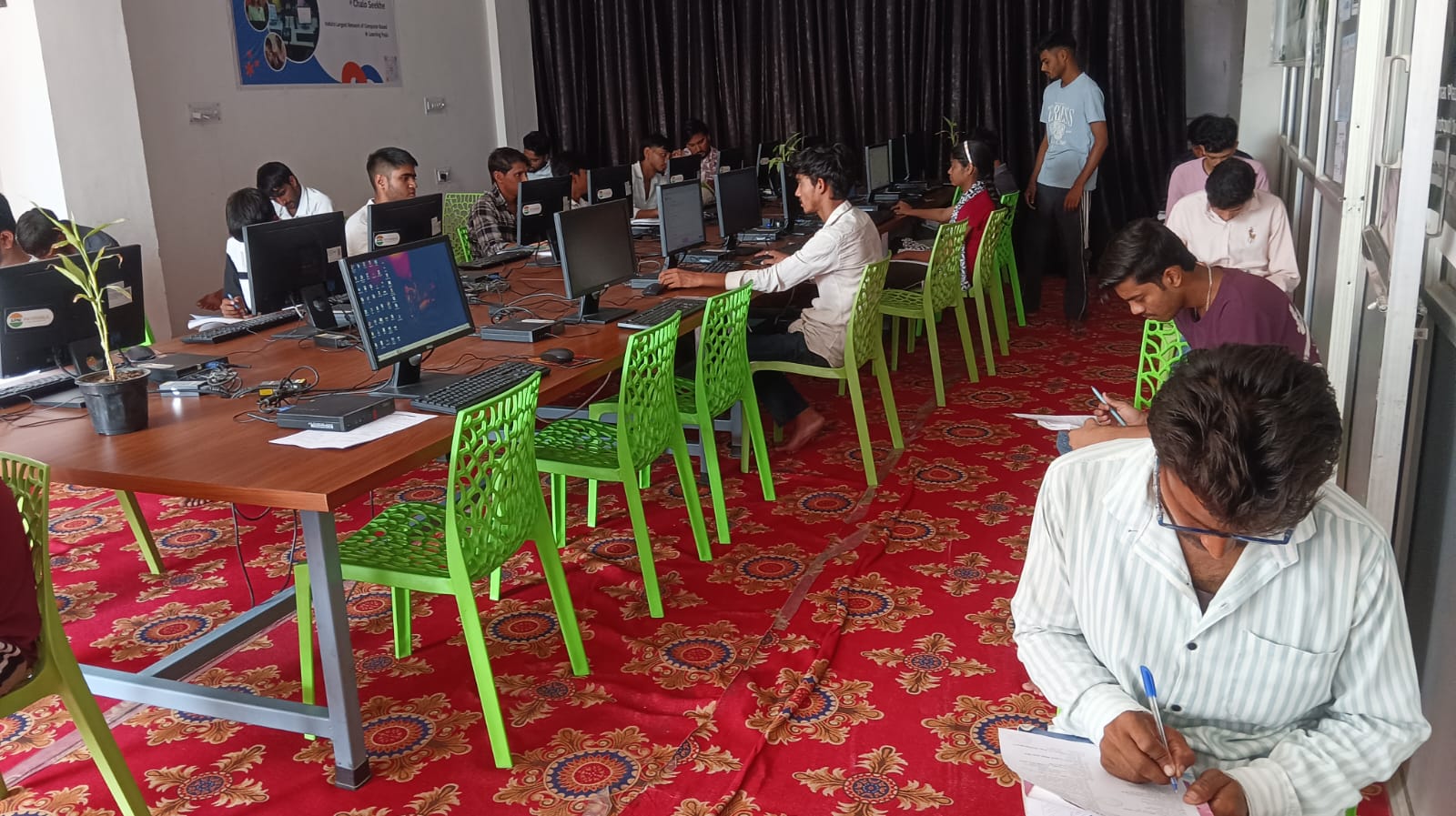
Think about what your child learns in a typical school day. Math concepts. Science facts. History dates. But here’s what matters: the students who actually apply what they learn become the ones who excel. When Priya learns about variables in her computer class, she needs to code a small game using variables that same evening. That’s when the knowledge sticks.
With a proper computer, your child can do this. They can experiment. They can fail safely and try again. They can build small projects that feel real. A child who learns coding theory but never writes a single line of code will forget it within weeks. A child who writes code, debugs it, and sees their program work will remember it forever.
Students build ideas on this. Not just any computer, but one that supports their learning pace and doesn’t frustrate them with lag or crashes.
Practical Learning Means Real-Life Skills
Your child’s school teaches computer skills. But do they teach practical learning? There’s a difference. Practical learning is when your daughter uses a spreadsheet to track her pocket money and learns about budgeting. It’s when your son creates a presentation about his science project and learns about visual communication. It’s when they use video editing software to make a short film for their class.
These aren’t just computer skills. They’re life skills. They’re the abilities that employers will ask for in ten years. They’re the confidence that comes from knowing you can figure things out with technology.
A computer for students that supports practical learning opens these doors. Apna PC comes ready for this. Your child can create documents, edit images, code small programs, and explore digital tools without waiting or worrying about crashes. You can read more about how this translates to real-life skills and see what other students have built.
Digital education isn’t just about sitting in a classroom. It’s about having the space, the tools, and the freedom to experiment at home. The Digital India initiative aims to bring technology to every corner of the country. But technology without the right device is incomplete. Your family deserves a personal computer that’s actually designed for your child’s needs.
Why Apna PC Is Different
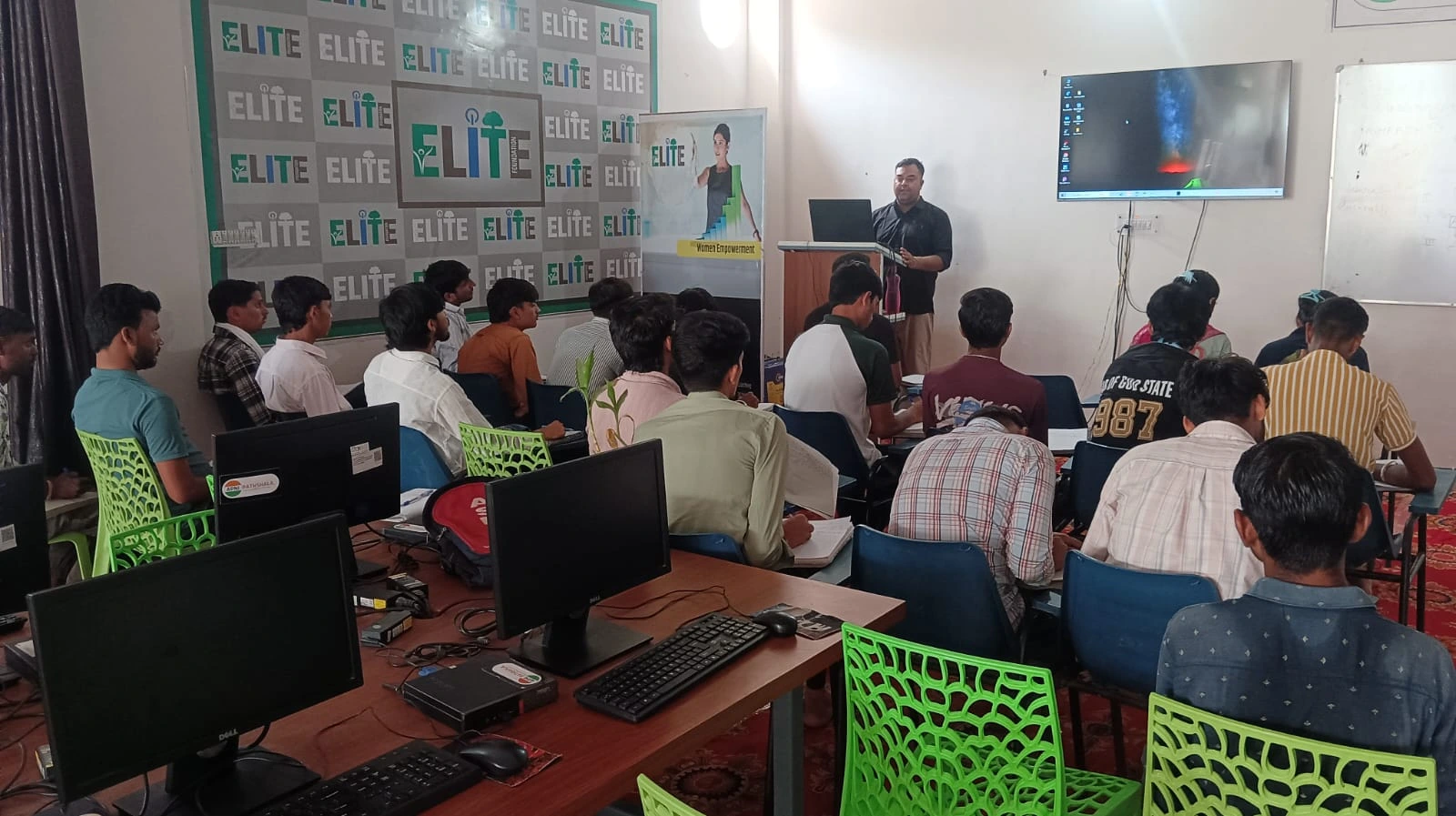
You might wonder why you can’t just buy any computer for your child. The answer is simple: most computers are built for adults. They’re expensive. They’re overpowered for what a student actually needs. They come with bloatware and distractions. They break your budget and your child’s focus.
Apna PC costs Rs. 30,000 (shipping and GST excluded). That’s affordable for most families in Tier 2 and 3 cities. It’s not a toy. It’s a real computer with real power. 8GB RAM means your child can run multiple applications smoothly. 128GB SSD means fast boot times and quick file access. Zorin OS is built for productivity and learning, not distraction.
Educators curate the pre-loaded software. Scratch teaches coding through visual blocks. LibreOffice teaches document creation and spreadsheet skills. Apni Prerna lets you monitor your child’s progress and stay involved in their learning journey. This is a computer for students that actually supports their education.
Your Child’s Future Starts With the Right Tools Today
Priya doesn’t need a fancy gaming laptop. She needs a reliable computer that lets her learn, create, and build confidence. She needs a tool that won’t hold her back. She needs practical learning opportunities that turn classroom knowledge into real skills.
When you invest in a computer for students, you’re not just buying hardware. You’re opening doors. You’re saying to your child, “I believe in your potential. I’m giving you the tools to explore it.” That message matters more than the specifications.
Your family deserves this. Your child’s learning doesn’t have to stop at school. It can continue at home, with a computer that’s built for them, at a price that works for you. Visit apnapc.com to learn more.