


Aarav’s Computer Dream: From Sketches to Code
Aarav sits in his small room in Indore, staring at a blank notebook. He is 14, loves drawing, and has wild ideas about building a game where players solve puzzles in ancient Indian temples. His parents think computers are only for typing and watching videos. They don’t understand that student ideas like his need tools to come alive. Last year, when his school got a computer lab, everything changed. Aarav learned that a computer is not just a machine; it’s a canvas for your imagination.
Today, thousands of students like Aarav are discovering that a computer can turn their student ideas into real projects. Whether you want to build an app, create digital art, make videos, or learn coding, a personal computer gives you the power to do it all. The question is not whether you have big dreams, but whether you have the right tool to build them.
Why Your Student Ideas Need a Computer
Your brain is full of ideas. You think about solutions to problems you see around you. You imagine stories, designs, and inventions. But ideas stay trapped in your head until you have a tool to express them. A computer is that tool.
When you work on a computer, three things happen. First, you learn by doing, not just by listening. Second, you build skills that schools don’t always teach. Third, you create something real that you can show others, not just get marks for.
Think about what you want to do. Do you want to:
- Create digital art or animations using free software
- Learn coding and build your own games or apps
- Make videos or podcasts to share your voice
- Design websites or digital projects for your school or community
- Explore music production, photo editing, or 3D modelling
All of this is possible. It all starts with a computer that’s yours to experiment with, without fear of breaking something expensive.
Building Creativity Skills Through Digital Projects
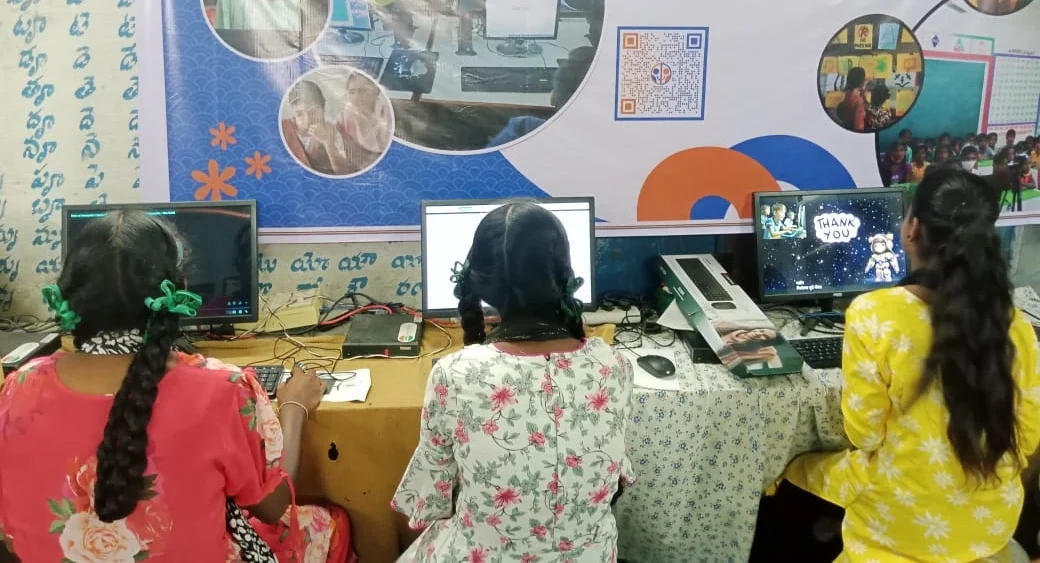
Creativity is not magic. It’s a skill you build by making mistakes, trying again, and learning from what doesn’t work. Digital projects teach you this better than anything else.
When you start a digital project, you don’t need to be perfect. You need to be curious. You play with tools, break things, fix them, and slowly your idea takes shape. This is how real creators work. This is how you develop creativity skills that will help you in school, in college, and in life.
For example, Priya from Nagpur wanted to make a poster about climate change. She started with basic software, made mistakes, watched online tutorials, and after two weeks, she created something so good that her school printed it for an assembly. She didn’t just learn design; she learned patience, problem-solving, and confidence. That’s what digital projects do.
You can turn curiosity into real learning when you have the freedom to explore on your own computer. You’re not rushing through a lab class. You’re not waiting for your turn on a shared device. You’re building something that matters to you.
The Right Computer Makes All the Difference
Not every computer works for student ideas. You need something reliable, fast enough to run creative software, and affordable enough that your family doesn’t worry about every scratch.
Apna PC is built exactly for this. It comes with 8GB RAM and a 128GB SSD, which means it runs smoothly even when you’re working on video editing, coding, or design projects. It comes pre-loaded with Scratch (for learning coding), LibreOffice (for documents and presentations), and Zorin OS (an easy-to-use system that doesn’t slow down over time).
At Rs.30,000 (before shipping and GST), it’s designed for families in Tier 2 and Tier 3 cities who want quality without breaking the bank. Your parents get Apni Prerna, a monitoring system that lets them see what you’re learning, not just what you’re doing. You get a real tool to build your ideas as a student.
This is not a toy computer. This is not outdated hardware. This is a machine that respects your ambitions.
How Digital Projects Build Your Confidence
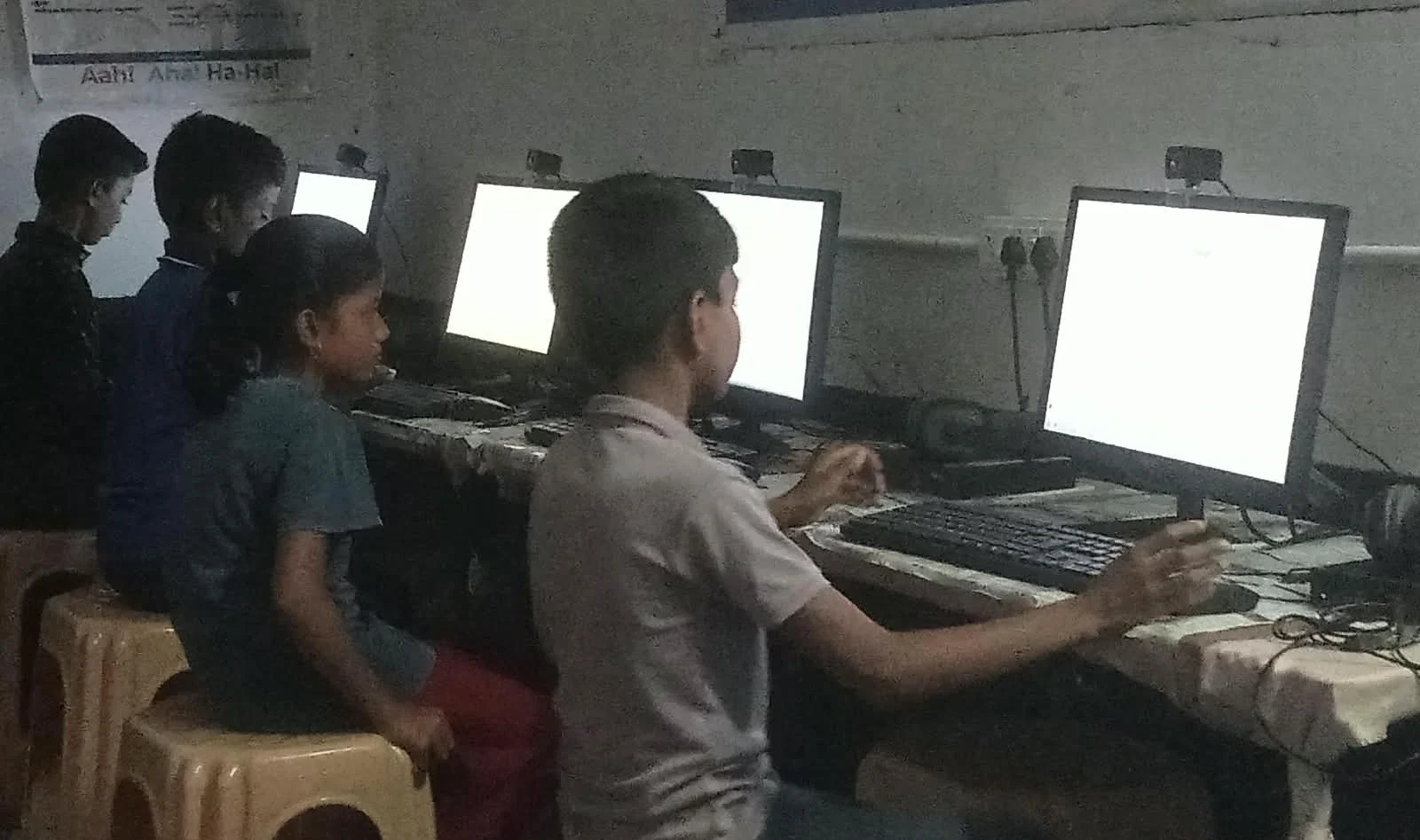
Here’s something schools don’t always tell you: confidence comes from doing, not from being told you’re smart. When you complete a digital project, something shifts inside you. You realise you can learn things on your own. You can solve problems. You can create.
When your digital projects build confidence, you start raising your hand more in class. You start suggesting ideas in group work. You start believing that your thoughts matter. This confidence spreads to other areas of your life, from studies to sports to friendships.
Rohan from Lucknow was shy and struggled in school. He got a computer and started making YouTube videos about science experiments. Six months later, he was explaining concepts to his classmates, his grades improved, and he was happier. The computer didn’t change him. Building something of his own did.
Getting Started: Your First Steps
You don’t need to wait for permission or for the perfect moment. You don’t need to know everything before you start. You just need to start.
Pick one thing you’re curious about. It can be coding, art, music, writing, or anything else. Find a free online tutorial. Open your computer. Spend 30 minutes exploring. Don’t worry about being good. Worry about being curious.
As you spend more time on your computer, you’ll find your voice. You’ll discover what excites you. Your student ideas will stop being daydreams and become real projects that you can share with the world.
According to the India Ministry of Education, digital literacy is now essential for all students. A personal computer is no longer a luxury; it’s a necessity for learning and growth in the 21st century.
Your Ideas Deserve a Tool
You have student ideas inside you right now. Ideas that could become projects, skills, hobbies, or even careers. The only thing standing between your idea and reality is a computer that’s truly yours.
Apna PC gives you that tool at a price your family can afford. Your ideas deserve to be built, not forgotten. Visit apnapc.com to learn more.