


Rajesh’s Dilemma: Why His Son’s Computer Education Felt Incomplete
Rajesh sits in his small shop in Indore, scrolling through his son Arjun’s school report card. The marks are good: 85 in computer science. But last week, when Rajesh asked Arjun to help him organise customer files on the family laptop, his son froze. He knew the theory. He could recite what RAM does. But he couldn’t use a computer to solve a real problem. This is the gap that millions of Indian families face. Computer education in schools teaches concepts, but it doesn’t always teach your child how to actually work with real devices.
Your child’s computer education needs more than just textbooks and classroom lessons. They need hands-on experience with actual machines. This is why practical learning with real computers matters so much in today’s educational landscape.
The Gap Between Theory and Real Computers
Most schools in Tier 2 and Tier 3 cities have limited computer labs. Students get maybe one or two hours a week to touch a keyboard. The rest of the time, they’re reading about computers instead of using them. It’s like learning to swim by reading a book. You might know all the strokes, but you’ll still sink when you jump in.
When your student learns computer education from theory alone, they miss critical skills. They don’t understand how to navigate an operating system. They can’t troubleshoot basic problems. They don’t know how files and folders actually work. They’ve never opened a real application or saved their own work.
According to the Education in India framework, digital literacy is now essential. But digital literacy isn’t just knowing what a mouse is. It’s being comfortable and confident using computers in daily life.
Why Your Child Needs Their Own Learning Device
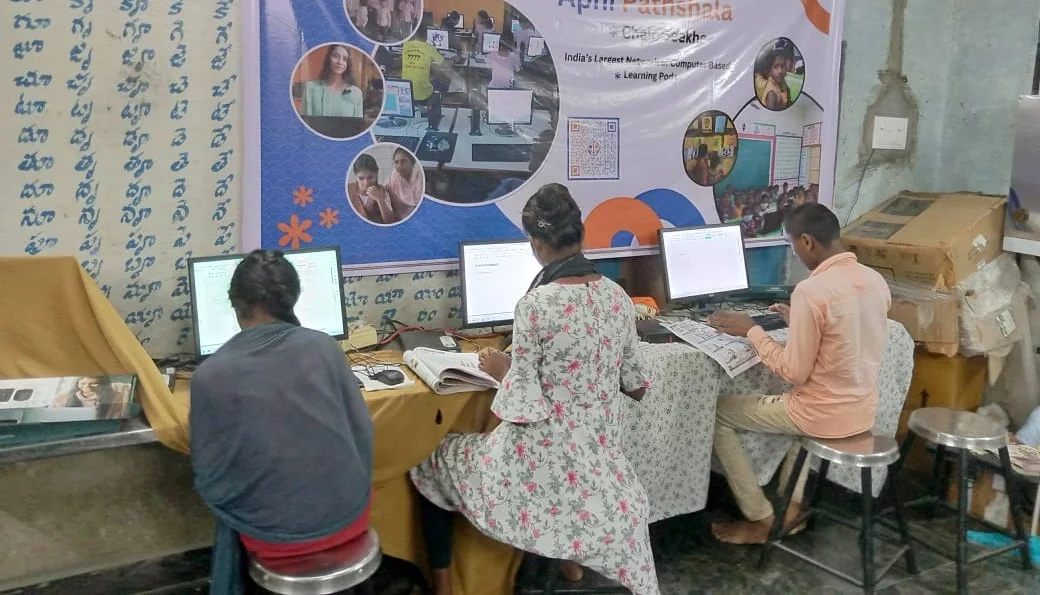
When students have their own learning device, everything changes. They can practice whenever they want. They can make mistakes without worrying about holding up a classroom. They can explore, click around, and learn at their own pace.
Having a personal student computer means your child can:
- Practice typing and keyboard shortcuts every single day
- Learn by doing, not just by listening to a teacher
- Build confidence with technology before entering the job market
- Develop digital independence and problem-solving skills
- Complete assignments and projects with real tools, not just on paper
This hands-on approach to computer education works. Students who practice on real devices score better in exams. They’re more confident in interviews. They’re ready for college and jobs that demand computer skills.
Practical Learning Changes Everything
Think about how you learned to ride a bicycle. No one taught you by explaining the physics of balance. You got on a bike and practised. Your child’s computer education should work the same way. They need to sit down, open programs, create files, and learn through doing.
When Arjun got his own computer, things shifted. He started exploring. He learned to organise folders without being told. He figured out how to use LibreOffice for his homework. He even started teaching his younger sister. That’s the power of practical learning with a real device.
Practical learning helps your student understand concepts deeply. Reading that “RAM stores temporary data” is one thing. Watching your computer slow down when you open too many programs and understanding why- that’s real learning. That’s knowledge your child will actually use.
Beyond Textbooks: What Real Computers Teach
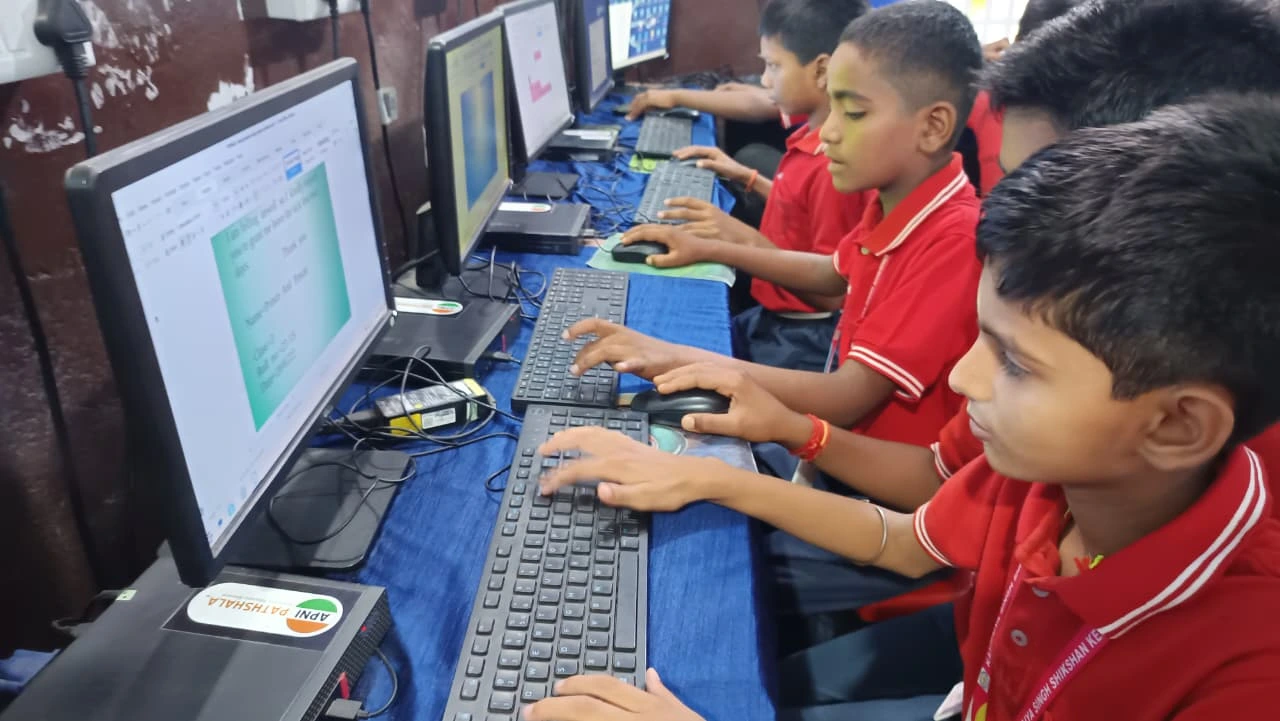
Your student’s computer education doesn’t have to stop at what’s in the curriculum. With a real device, they can explore coding through Scratch. They can learn to create presentations. They can build spreadsheets. They can develop skills that go beyond textbooks and actual classroom requirements.
The Digital India initiative recognises that digital skills are critical for India’s future. Your child needs these skills to compete in a changing job market. But they won’t develop them by reading about computers. They need to work with real machines.
When your student has access to their own computer, they also develop digital independence. They learn to solve problems on their own. They become comfortable with technology. They’re not afraid to try new things because they know they can’t break anything that matters.
The Right Computer for Student Learning
You don’t need an expensive gaming laptop for your child’s computer education. You need a reliable device built for learning. A computer that’s affordable, pre-loaded with educational software, and designed specifically for students.
Apna PC is built exactly for this. At Rs. 30,000 (shipping and GST excluded), it’s designed for student learning. It comes with Zorin OS, a beginner-friendly operating system. It has LibreOffice pre-installed for document work. Scratch is ready for coding practice. Apni Prerna helps you monitor your child’s progress. With 8GB RAM and 128GB SSD, it handles everything a student needs.
This isn’t about having the fanciest device. It’s about a real computer where your child can practice, learn, and build confidence with technology.
Start Your Child’s Real Computer Education Today
Your child’s future depends on computer skills. Schools teach the basics, but true understanding happens through hands-on learning with real devices. Don’t wait for your child to struggle later. Give them the tools to learn now.
Your child deserves computer education that actually prepares them for life. Visit apnapc.com to learn more.