


Rajesh’s Son Scored 92% in Computer Science, But He Still Couldn’t Fix a Printer
Last year, Rajesh from Indore sat in his son Arjun’s parent-teacher meeting beaming with pride. His boy had scored 92% in computer science. But two weeks later, when their home printer jammed, Rajesh watched his son stare at it helplessly. Arjun knew theory perfectly. He could write code. He could explain algorithms. But he’d never touched a real computer project that taught him how things actually work. That’s when Rajesh realised something was broken in how we teach technology to our kids.
This is the story of thousands of Indian families. Your child learns computer subjects in school, passes exams with flying colours, but when faced with real problems, they freeze. They don’t know how to approach a challenge. They can’t break down a problem into steps. They’ve never built anything with their hands and their minds working together. This gap between classroom learning and real-life skills is exactly what computer projects bridge.
Why Computer Projects Matter More Than You Think
Computer projects aren’t just about learning to code or use software. When your child works on a computer project, they learn to think like a problem-solver. They’re learning persistence, creativity, and how to learn from mistakes. These are the skills that employers actually want. These are the skills that help your child succeed in college, in jobs, and in life.
Consider what happens when your child builds a simple game using Scratch or creates a presentation with LibreOffice. They’re not just following textbook instructions. They’re making decisions. They’re experimenting. They’re seeing results immediately. They’re learning cause and effect. This hands-on approach to learning sticks with them far longer than memorising facts.
According to the Digital India initiative, India is pushing toward a more technology-enabled future. Your child needs to be ready for that future. Not just ready to use technology, but ready to create with it, troubleshoot it, and solve problems with it.
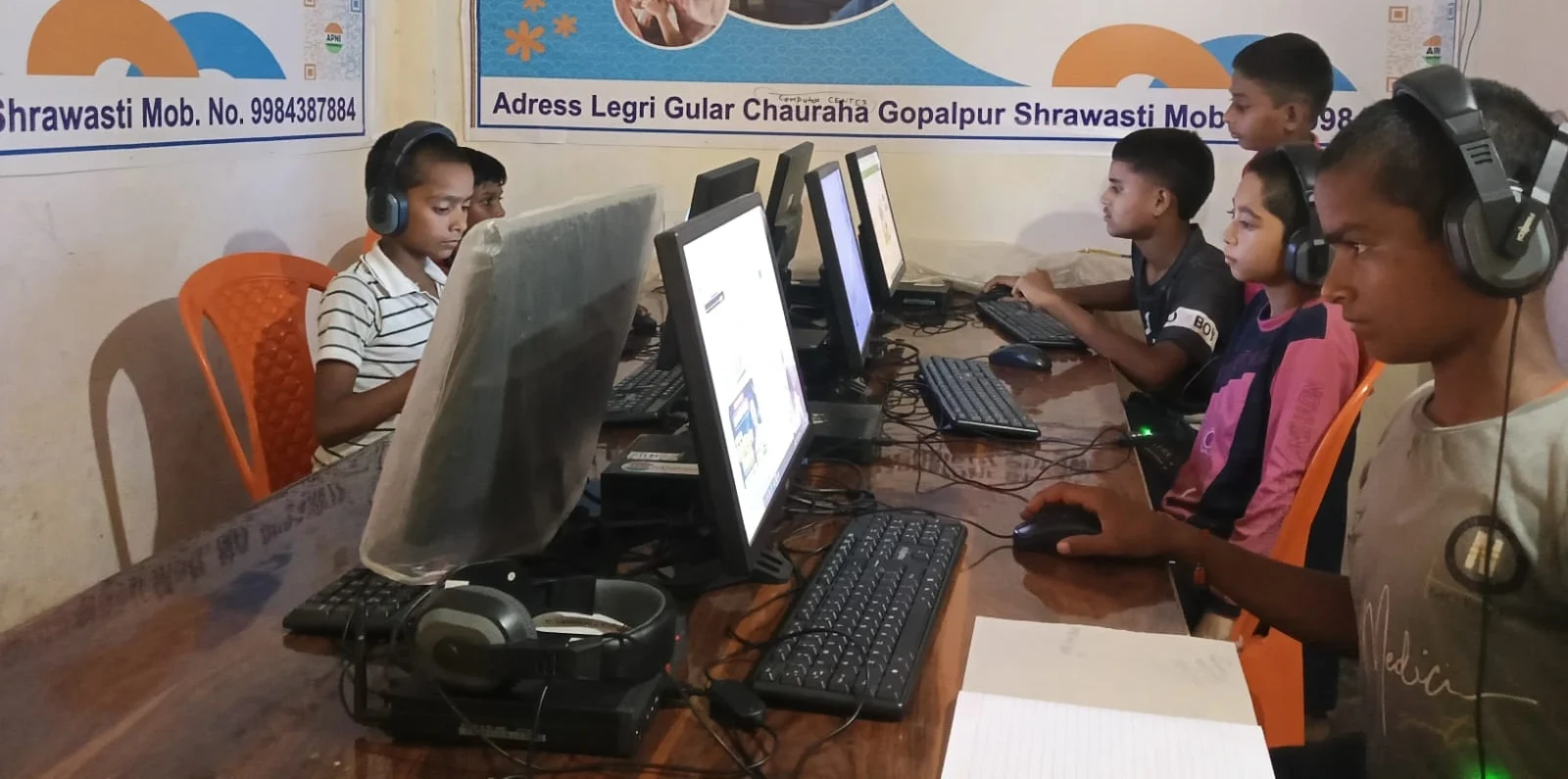
- Problem-solving skills: Computer projects force your child to break down big problems into smaller, manageable pieces. This skill applies to everything from math to science to real-world challenges.
- Confidence in technology: When your child builds something on a computer and sees it work, their confidence soars. They stop fearing technology and start seeing it as a tool they can control.
- Creativity and innovation: Projects give your child freedom to think creatively. They’re not just following steps. They’re imagining what’s possible and making it happen.
- Patience and persistence: Projects take time. Things go wrong. Your child learns to debug, to try again, to keep going. These habits help them in school and beyond.
- Real-world application: Unlike textbook learning, projects show your child how technology connects to the real world. They see why learning matters.
How Computer Projects Build Real-Life Skills
When your child sits down with a real personal computer and works on a project, something magical happens. They’re not just absorbing information. They’re building understanding from the ground up. A personal computer becomes their laboratory, their workshop, their creative space.
Let’s say your child decides to create a simple animation or a small game. They’ll need to plan it out. They’ll need to understand logic. They’ll need to test it, find bugs, and fix them. They’ll experience the joy of creation. They’ll understand that technology isn’t magic. It’s something they can learn to control and shape.
This is where your child builds digital confidence through projects. They learn that it’s okay to make mistakes because mistakes are how you learn. They discover that problems have solutions. They develop the mental tools to approach challenges methodically.
Beyond just technical skills, projects teach your child about collaboration, communication, and presentation. If they show their project to others, they learn to explain what they’ve built and why. These soft skills matter as much as the technical ones.
What Happens When Students Apply Skills Outside the Classroom
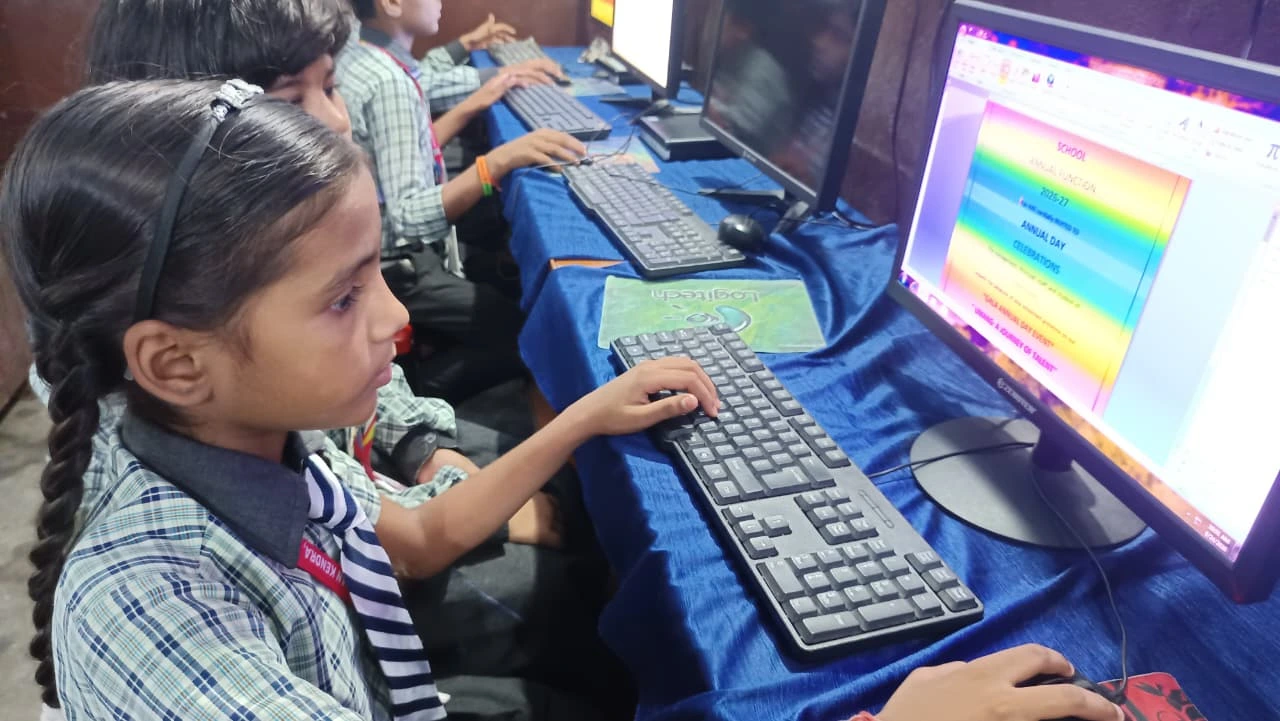
Your child won’t learn real-life skills from watching videos or reading textbooks. They learn by doing. When they work on computer projects, they’re developing habits and thinking patterns that transfer to every area of their life.
Think about what happens when your child encounters a problem in their project. The program doesn’t work as expected. A feature they wanted to add isn’t functioning. Instead of giving up, they investigate. They try different approaches. They search for solutions. They learn to be resourceful. This resourcefulness becomes part of who they are.
Computer thinking skills develop naturally through project work. Your child learns to think in sequences and logic. They understand that computers follow instructions precisely. They learn to be clear and exact in their thinking. These computer thinking skills help them write better essays, solve math problems more effectively, and approach any challenge with greater clarity.
For parents in Tier 2 and Tier 3 cities, finding quality resources for your child’s hands-on learning can be challenging. But it’s becoming easier. With the right tools and the right computer, your child can access the same learning opportunities as kids in metro cities.
Creating the Right Environment for Learning
Your child needs the right setup to dive into computer projects. They need a reliable computer with the right software already installed, without unnecessary complexity. They need an environment where learning comes first.
The Apna PC is built exactly for this purpose. It comes pre-loaded with everything your child needs. Zorin OS provides a clean, user-friendly interface. Scratch lets them build games and animations. LibreOffice gives them tools for creating presentations and documents. The Apni Prerna monitoring system lets you stay connected with your child’s learning journey. With 8GB RAM and 128GB SSD, it handles projects smoothly without lag or frustration.
At just Rs. 30,000 (shipping and GST excluded), it’s an investment in your child’s future. It’s not just a computer. It’s a gateway to hands-on learning, real skill development, and confidence-building.
Your child deserves the chance to build, create, and learn by doing. They deserve to develop the skills that will matter in their future. Computer projects make that possible. The right computer makes it accessible. Start your child’s real-world learning journey today. Visit apnapc.com to learn more.