

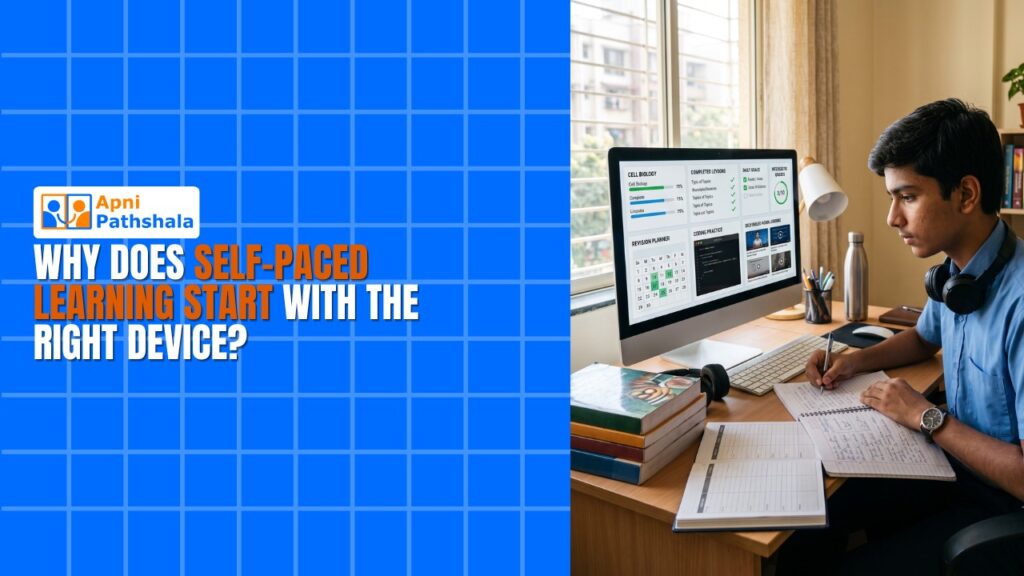
Self-paced learning only works when the device does not hold a student back. A slow, shared, or distraction-filled computer interrupts the focus that independent study requires. Students learning at home need a device that is fast, stable, and set up specifically for education, not for general family use.
What Makes Self-Paced Learning Different From Classroom Study?
Self-paced learning means students study when they want, how they want, and at their own speed. Unlike classroom learning with fixed schedules, this approach gives students control. They can pause a lesson, revisit a concept, practise more, or move ahead faster. But this freedom only works if the device does not hold them back.
When a computer lags, students lose their train of thought. The frustration breaks focus. By the time the screen responds, the moment of understanding is gone. A reliable student computer removes this friction and keeps independent study moving.
Why Must a Student Computer Be Built for Self-Paced Learning?
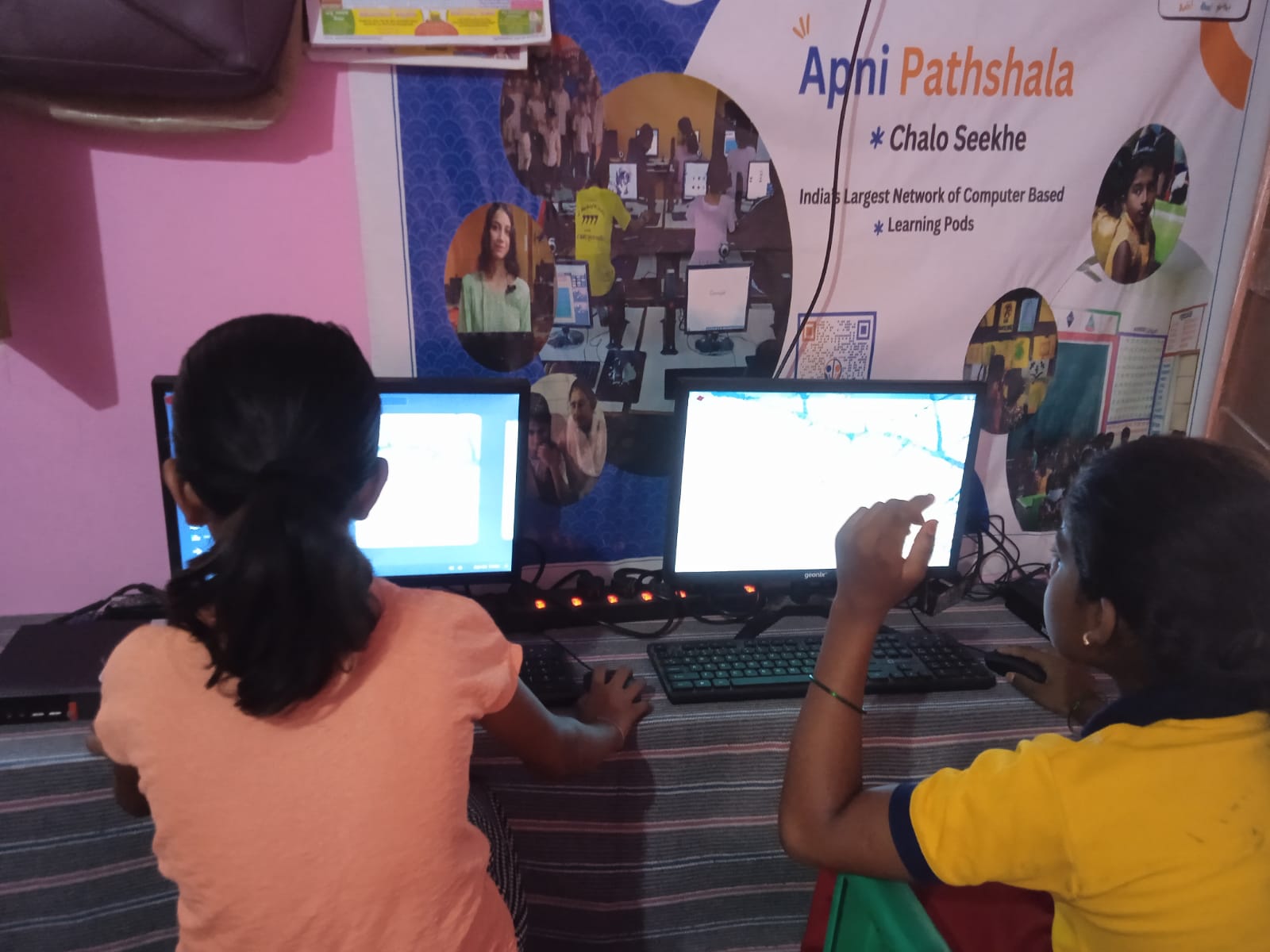
A gaming laptop or general-purpose computer is not the same as a student computer. Gaming laptops are expensive and often pull students toward entertainment. Regular consumer computers come with bloatware and distractions that interrupt study sessions.
Apna PC is built by Apni Pathshala for Indian students. It costs Rs.30,000 (excluding shipping and GST). It runs Zorin OS, a stable operating system that works without frustration. It has 8GB of RAM and a 128GB SSD, which is more than enough for students to run multiple applications without lag. No bloatware. No distracting pre-installed games. The right tools for independent study are already there.
A computer for education is a learning tool, not a luxury. For families in Tier 2 and Tier 3 cities, this matters because quality coaching classes are expensive and not always available locally.
How Does the Right Device Support Independent Study?
Independent study requires students to feel confident using the computer on their own. When the device works reliably, that confidence builds. When it crashes or freezes, students give up and wait for help.
A reliable student computer teaches responsibility too. Students learn to manage their time, track their progress through tools like Apni Prerna, and solve small technical problems independently. They build digital literacy without frustration getting in the way.
LibreOffice is pre-loaded on Apna PC for documents and presentations. Scratch is pre-loaded for coding practice. Apni Prerna tracks progress and shows parents what their student has been working on without requiring them to interrupt the session.
What Is the Connection Between Device Quality and Study Motivation?
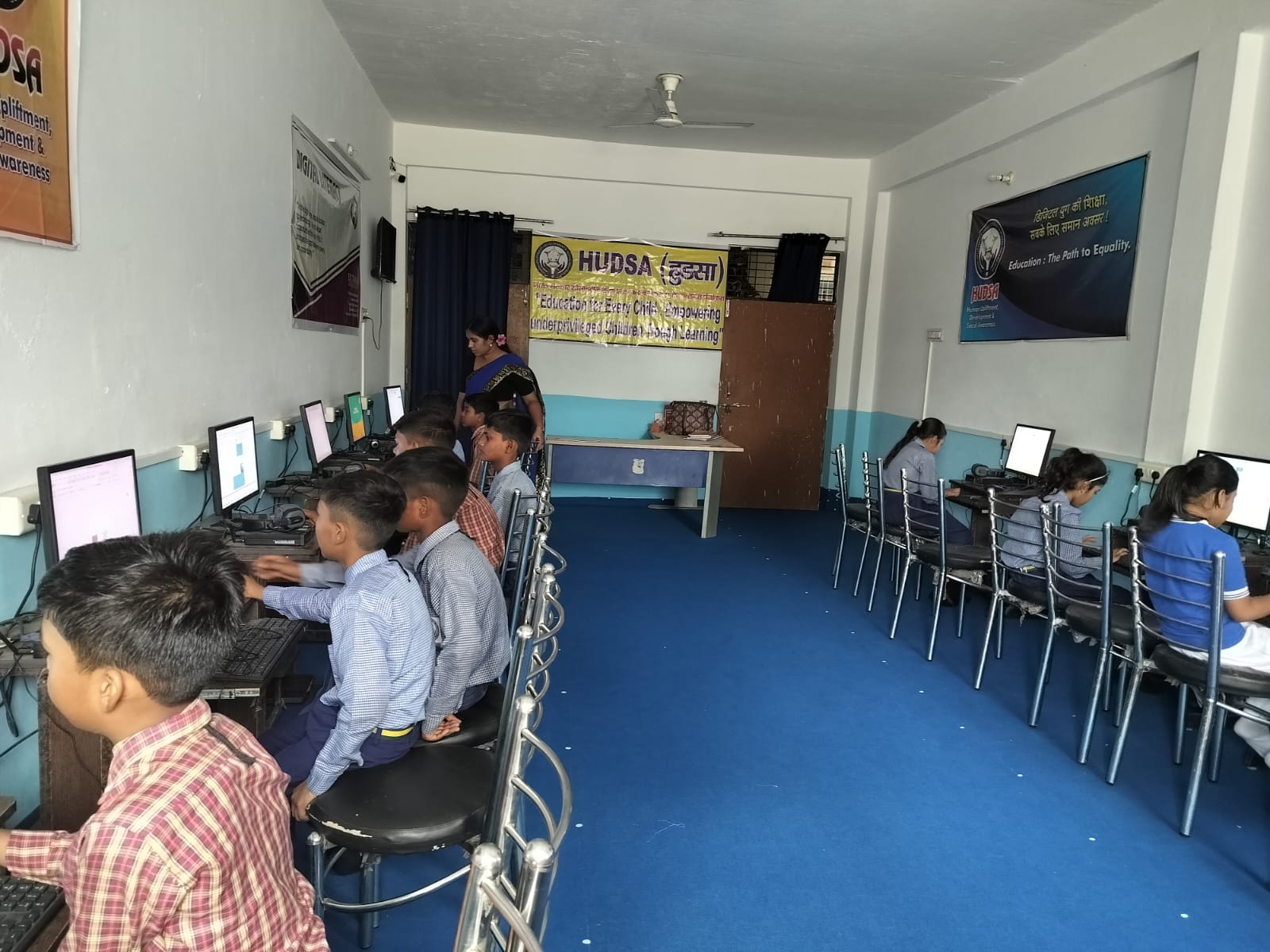
Motivation for self-paced learning depends on more than mindset alone. It is about removing friction. When the computer works consistently, students stay motivated. When it does not, they lose interest and stop trying. This is especially important for independent study where there is no teacher pushing the student forward.
Apna PC removes that friction. Students can spend time on a difficult coding project without worrying about crashes. They can watch educational videos without buffering delays. The consistent performance keeps study sessions productive.
How Does Apna PC Compare to Sharing a Family Laptop?
| Factor | Shared Family Laptop | Dedicated Student Computer (Apna PC) |
|---|---|---|
| Always available | No, shared with others | Yes, student’s own device |
| Study-focused setup | No, general use | Yes, pre-loaded learning software |
| Distraction risk | High, games and social media present | Low, educational OS by design |
| Progress tracking | No | Yes, through Apni Prerna |
Is Rs.30,000 a Worthwhile Investment for Self-Paced Learning?
Compare Rs.30,000 to a year of private tuition fees, which typically cost considerably more. A student computer works for several academic years, while tuition is a recurring annual cost. With the right device, students can access free educational resources including DIKSHA, YouTube educational channels, and NCERT materials independently, reducing dependence on paid coaching.
Parents in Tier 2 and Tier 3 cities find that the ability to monitor progress through Apni Prerna, combined with the focused setup, makes the investment practical. Digital access at home matters more than extra classes for students who already study hard but lack the right tools. See also how a dedicated study computer builds better study habits.
Frequently Asked Questions
What age is right for a child to start self-paced learning on a computer?
Students in Class 4 and above generally benefit from self-paced learning on a computer when they have specific subjects to practise. At this stage, they can set small goals, follow a simple routine, and use pre-loaded software like Scratch or LibreOffice independently. Younger students benefit more from guided learning with a parent present.
Does self-paced learning work without an internet connection?
Apna PC comes with software pre-loaded, so coding practice in Scratch and document work in LibreOffice are available without internet. NCERT textbooks in PDF format can be downloaded and accessed offline. Many self-paced practice routines work entirely offline, which is useful in areas with inconsistent connectivity.
How do parents stay involved in self-paced learning without directing every session?
Apni Prerna, Apna PC’s built-in monitoring system, shows which applications a student used and for how long. Parents can review this each evening and ask specific questions about what was worked on. This keeps parents informed without requiring them to sit with the student during every session, which can undermine the independence that self-paced learning builds.
How is self-paced learning different from just letting a student browse freely?
Self-paced learning requires a goal and a structure, even if the schedule is flexible. Free browsing is exploratory and undirected. On Apna PC, the focused setup, without games or social media, helps students stay on educational tasks. Setting a weekly goal, tracking it through Apni Prerna, and reviewing progress weekly turns flexible computer time into structured self-paced learning. See more on building positive digital habits in students.
Self-paced learning gives students control over their own education. The right device makes that control practical. Visit apnapc.com to learn more about Apna PC.